Local & Seasonal
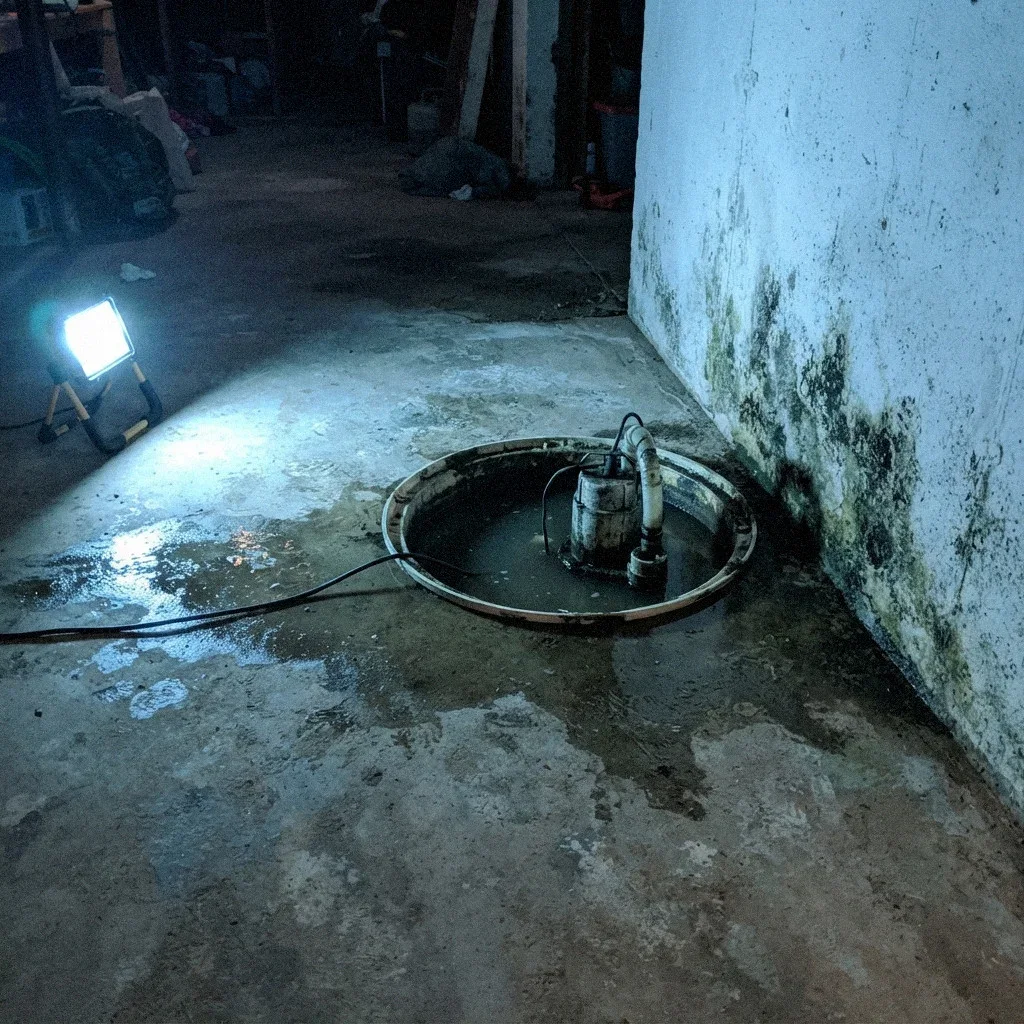
Why Does My House Smell Musty in San Diego?
A musty odor in a San Diego house is usually moisture, not dirt. Here is how to tell ordinary dampness from a mildew smell that points to hidden mold, and what to check first.
Read article
These guides exist because most mold advice online was written for cities that freeze or flood, and San Diego does neither. A house near Mission Valley or up on the Clairemont mesa can grow mold through a bone-dry August. The mechanism here is marine humidity meeting a cool surface, not rain.
They are written for the homeowner who found a dark patch behind a dresser in a 1960s Allied Gardens tract house, or peeling paint near a window in an older Golden Hill bungalow, and wants to know what it means before spending money. Housing era changes the likely cause more than almost anything else in San Diego.
So the guides say what is not true as often as what is: no color identifies a species, no test proves air is safe, bleach treats the stain and not the growth underneath. Read enough of them and a $9 supermarket answer starts looking like a smaller job than the $900 one a homeowner near University Heights actually has.
A musty odor in a San Diego house is usually moisture, not dirt. Here is how to tell ordinary dampness from a mildew smell that points to hidden mold, and what to check first.
Read article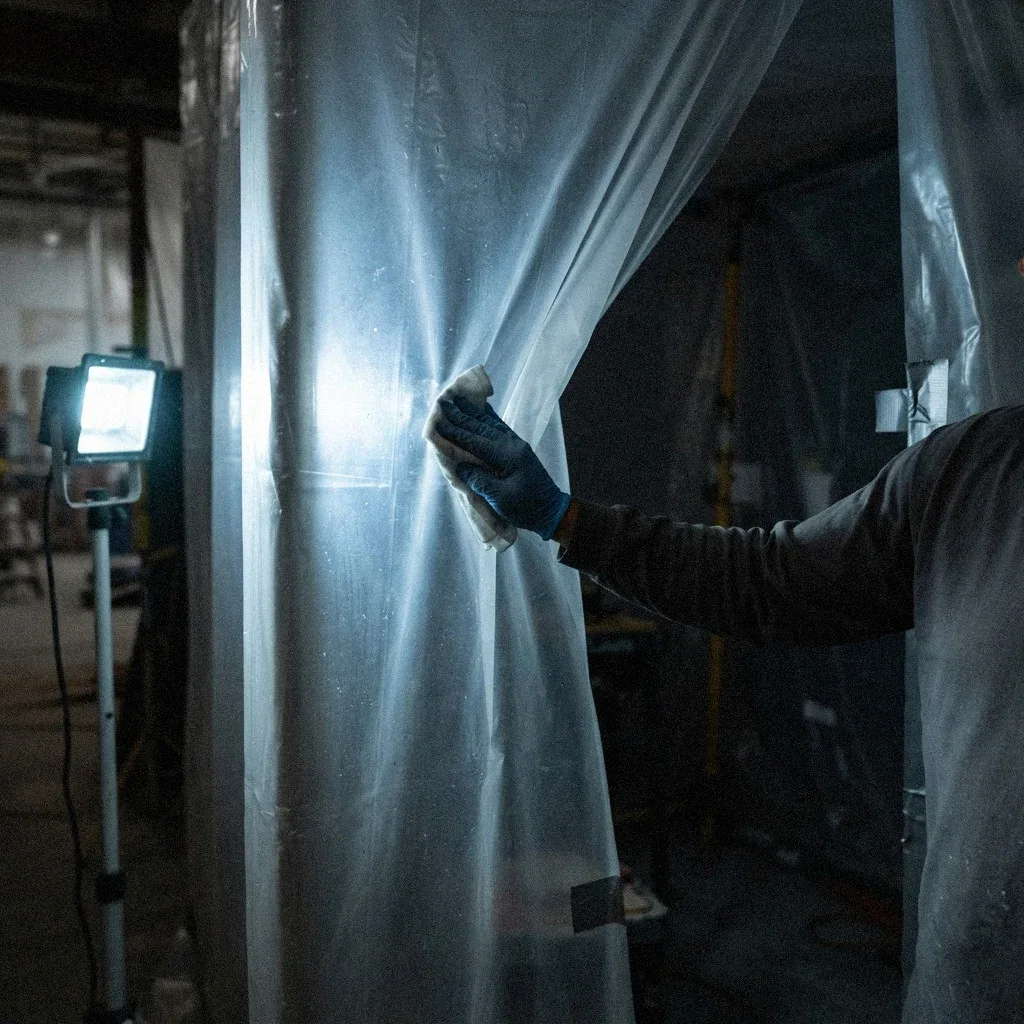
Wiping visible mold off a wall in San Diego rarely ends the problem, because the growth was never the actual issue. The moisture behind it was, and surface cleaning does not touch that.
Read article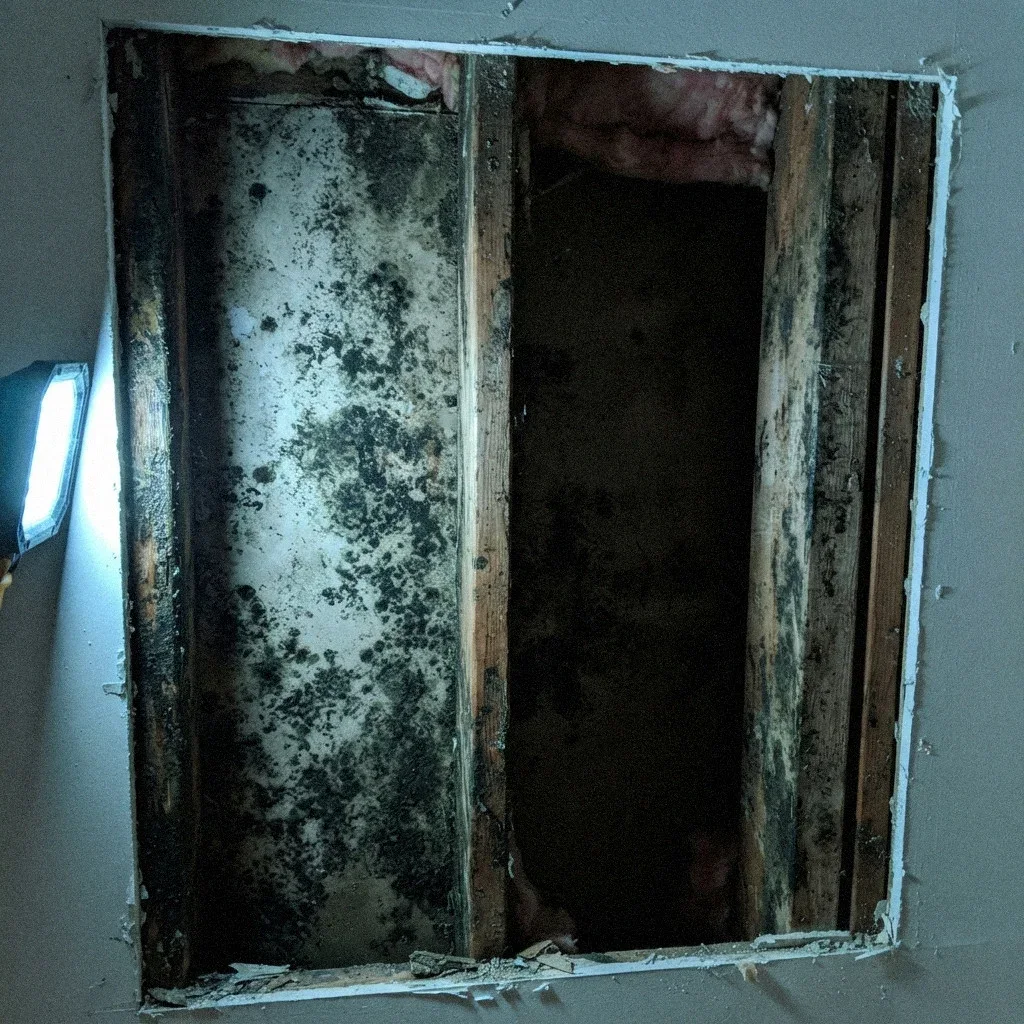
Black mold sounds like a diagnosis. It is a color, not a species and not a health verdict. Here is what is genuinely established, and what is just internet noise.
Read article
A dark patch under a window or near the ceiling raises the same question every time: is water arriving from somewhere, or is humid air giving up moisture on a cold surface. The tells are different, and telling them apart matters before anyone touches the spot.
Read article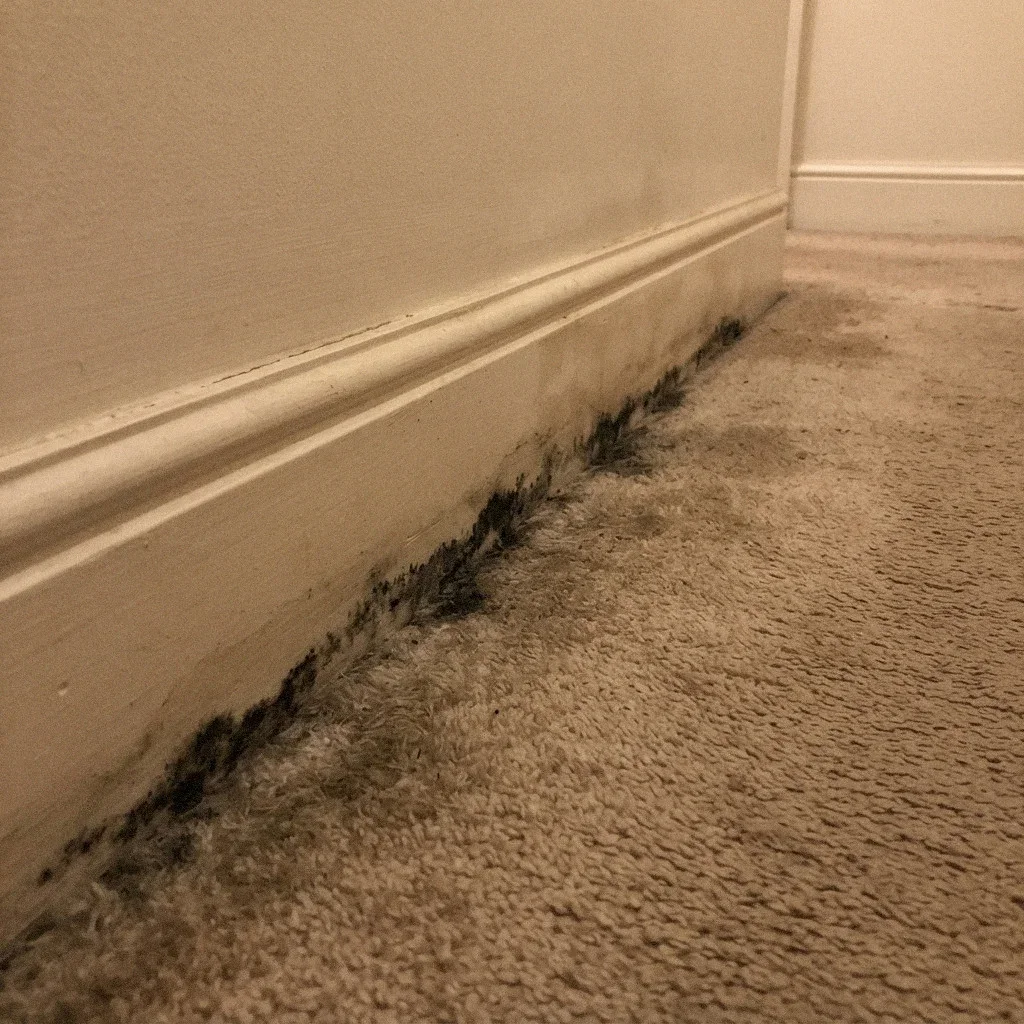
San Diego's dry rainfall numbers hide a wetter truth: marine humidity keeps indoor air damp enough for mold most of the year, independent of storms.
Read article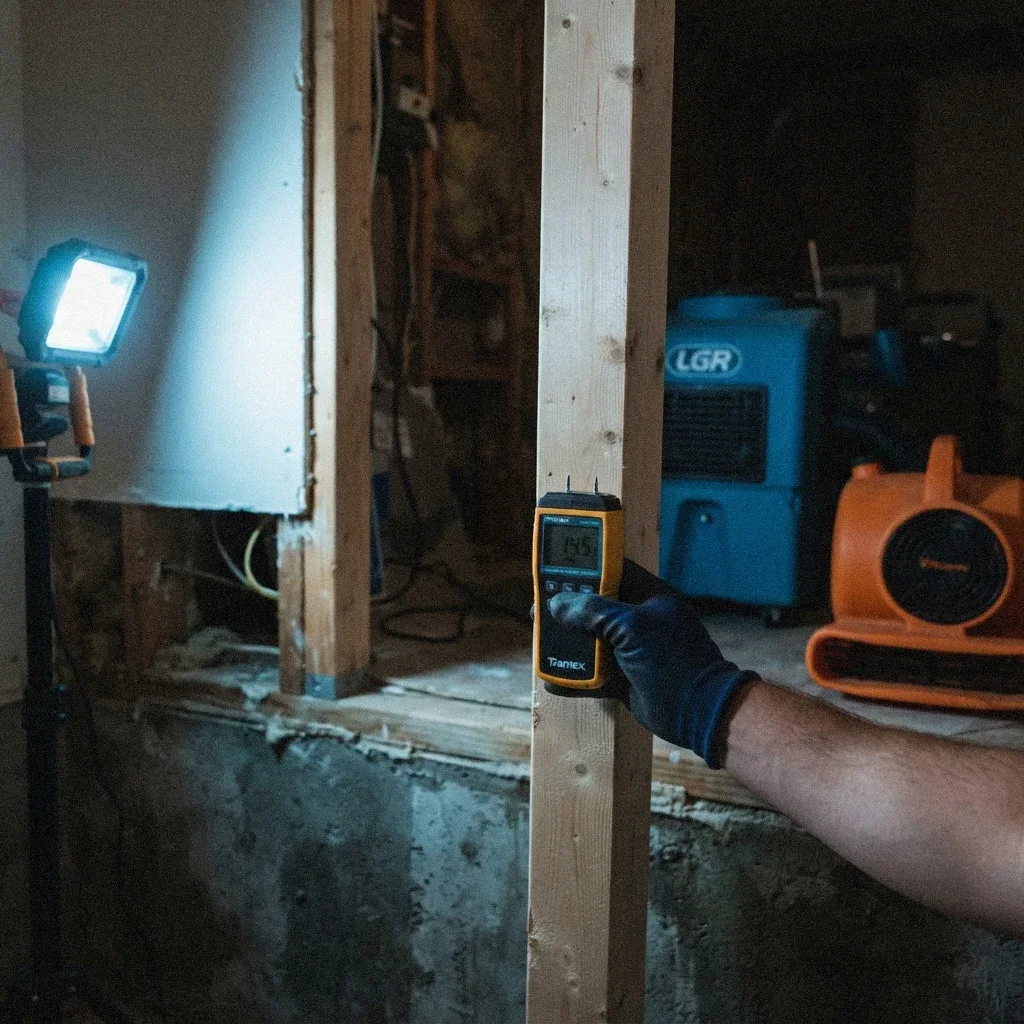
A moisture meter does not find mold. It tells you whether the wood or drywall behind a stain in a San Diego house is still wet enough to keep feeding growth, which is the only question that matters once mold is already visible.
Read article
Finding mold in a Kensington bungalow or a Clairemont condo triggers an urge to scrub. Resist it. The first hour is about containment, not cleaning, and a few careful moves make the remediation that follows faster and cheaper.
Read article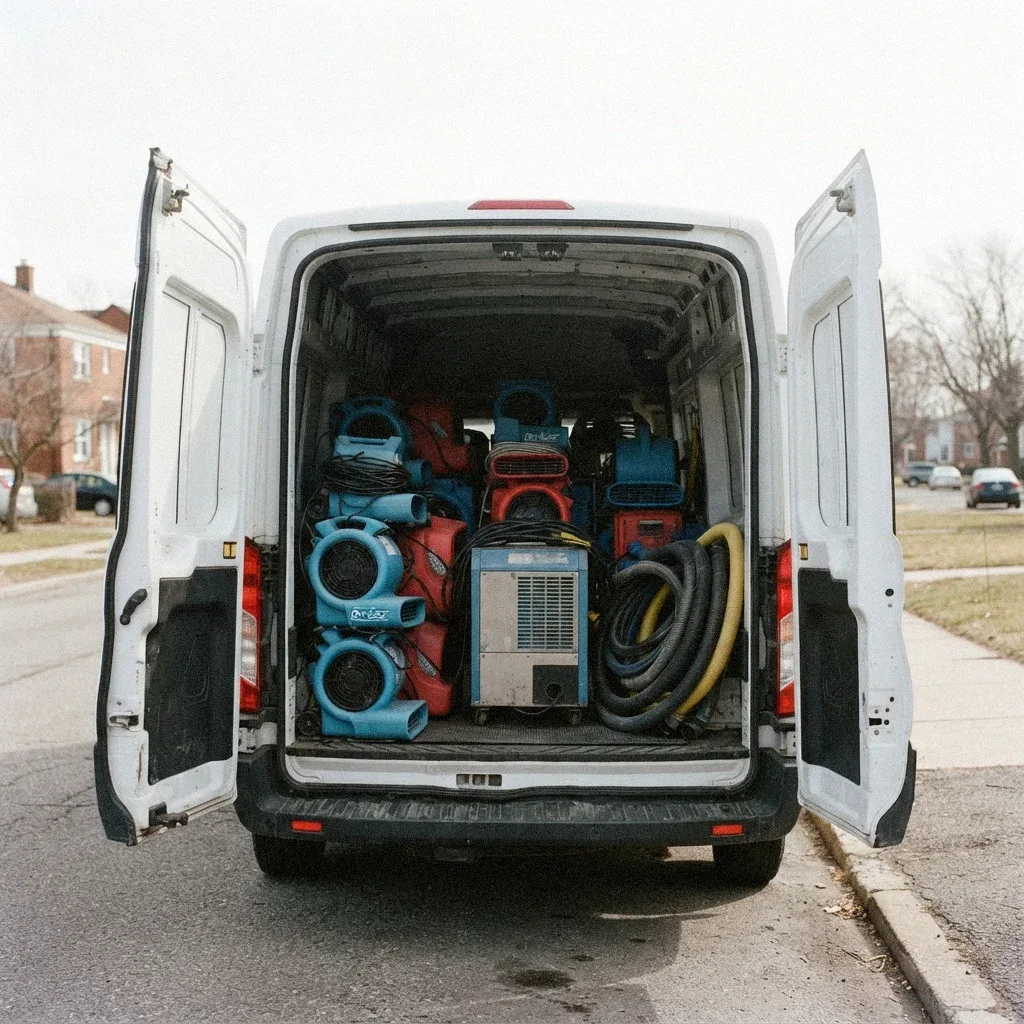
A walkthrough of what actually happens the day the licensed pros we connect you with arrive: setup order, noise, plastic sheeting, what you move, and how the job ends.
Read article
A mold claim brings at least one adjuster to your San Diego door, and it matters whose paycheck signs their name. Here is the difference between the insurer's adjuster and one you hire yourself, and when that second opinion is worth its fee.
Read article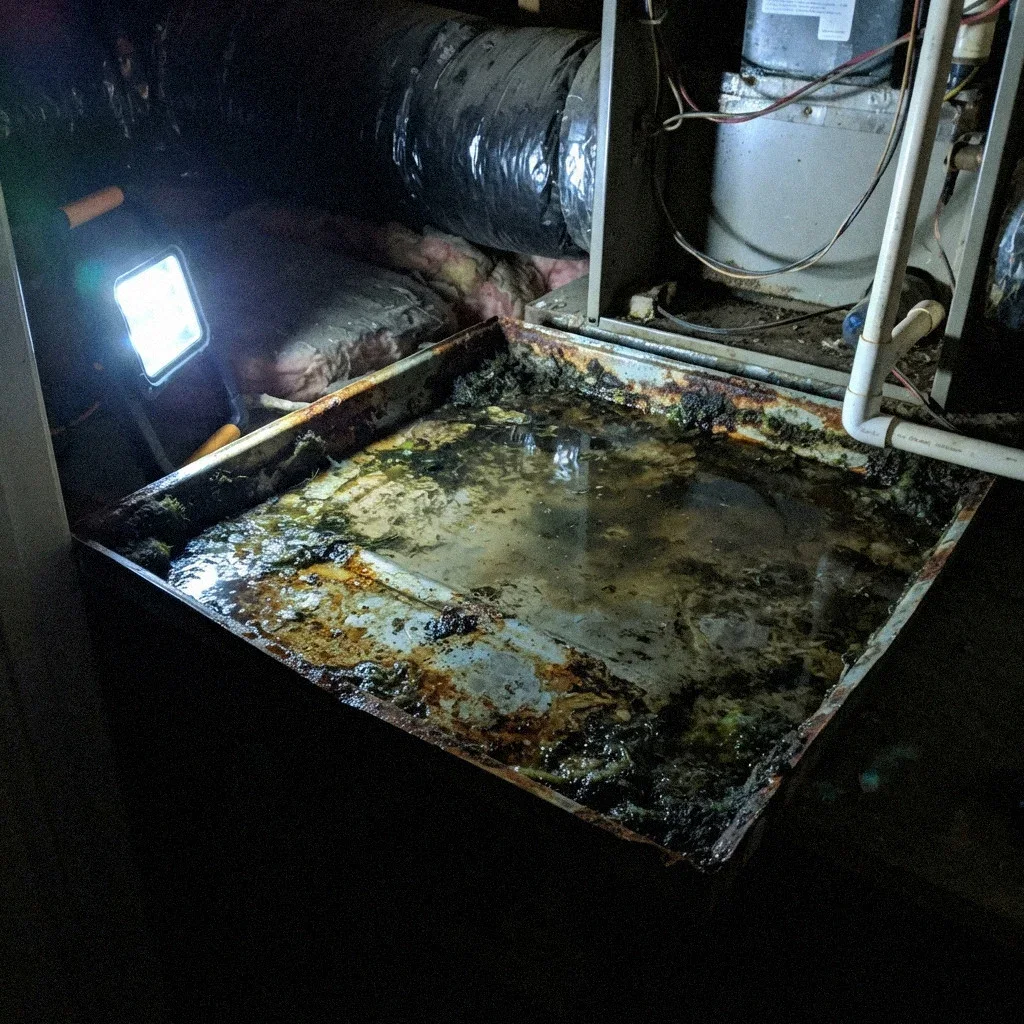
A blocked gutter does not just overflow onto a walkway. It pushes water down a wall and into the ground beside the foundation, which is the cheapest mold cause on this list to prevent and the easiest one to ignore.
Read article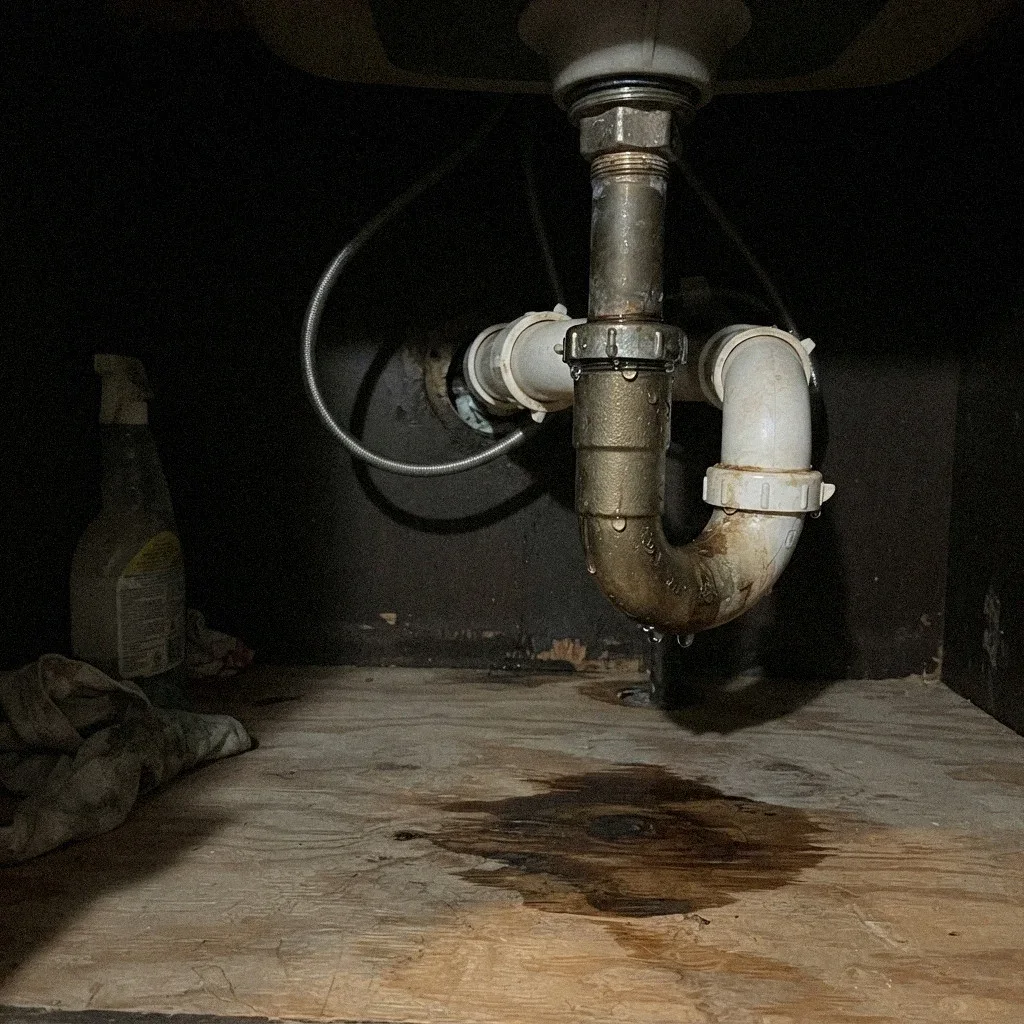
A blocked condensate line is one of the more preventable causes of indoor mold in San Diego. Here is a realistic inspection interval, what a float switch does, and why coastal homes without air conditioning face a different version of the same moisture problem.
Read article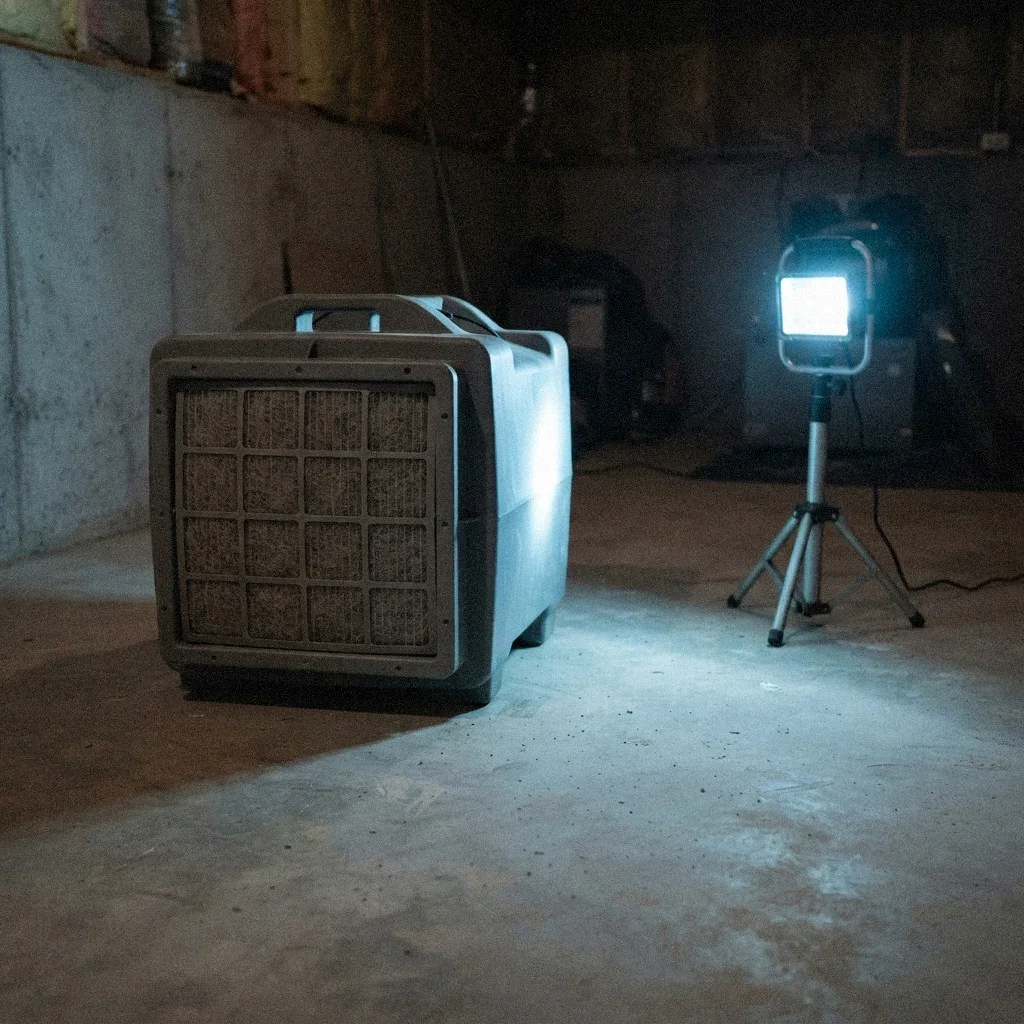
IICRC S520 is a voluntary consensus standard for mold remediation, not a law. Here is what it covers, what it does not guarantee, and better questions to ask a San Diego contractor.
Read article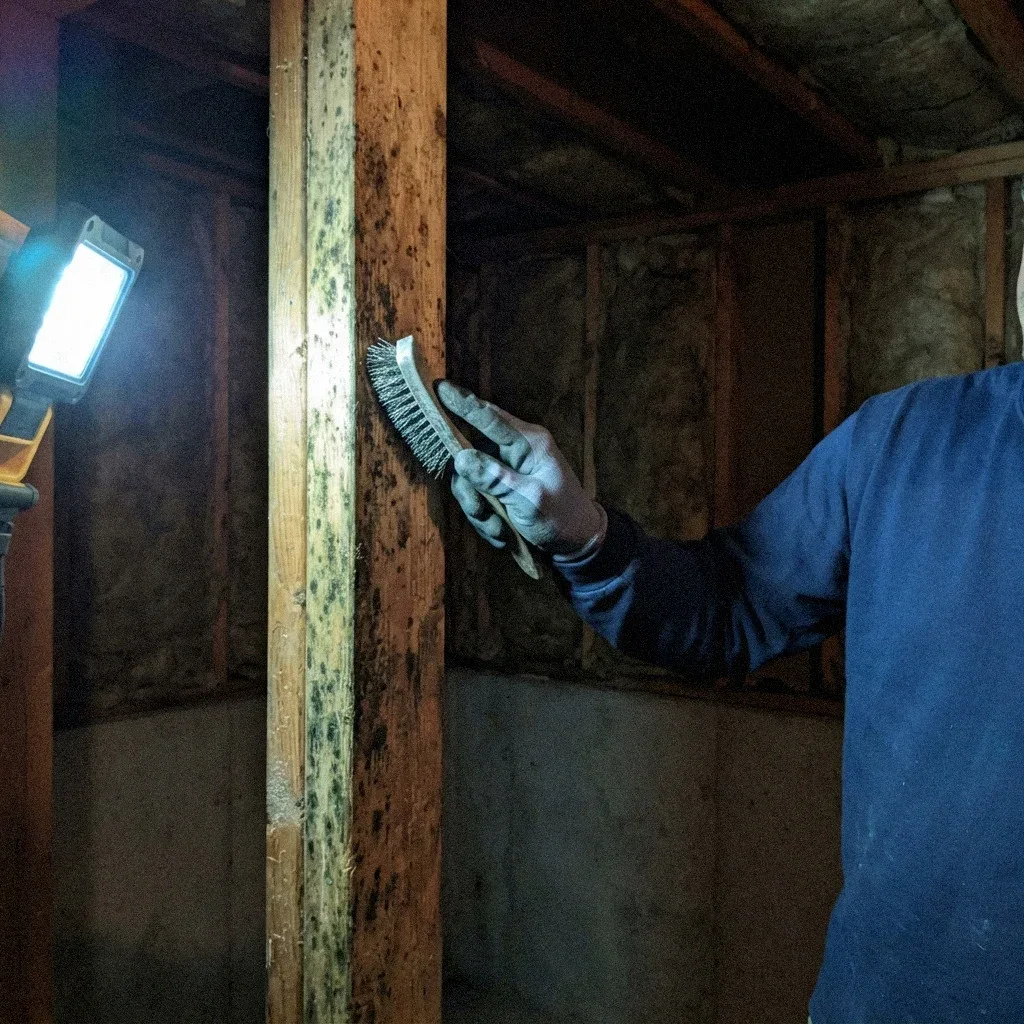
Mold often announces itself before you can see it: a smell, a stain that returns after painting, paint that lifts off drywall. Here is what to notice in a San Diego house before it becomes an obvious problem.
Read article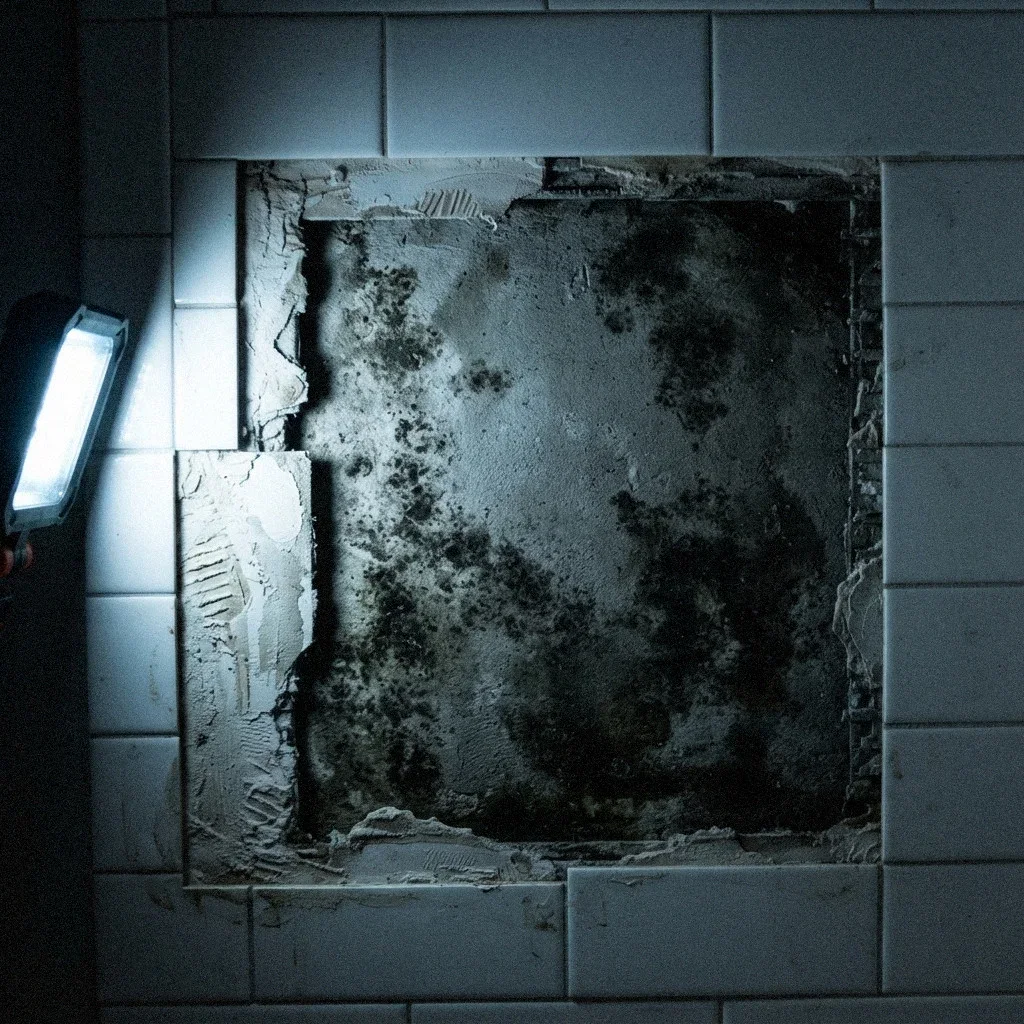
A dark patch is not always mold. Efflorescence, soot, old water stains, condensation dust and harmless surface mildew all get mistaken for growth in San Diego homes. Here is how to tell them apart before you assume the worst.
Read article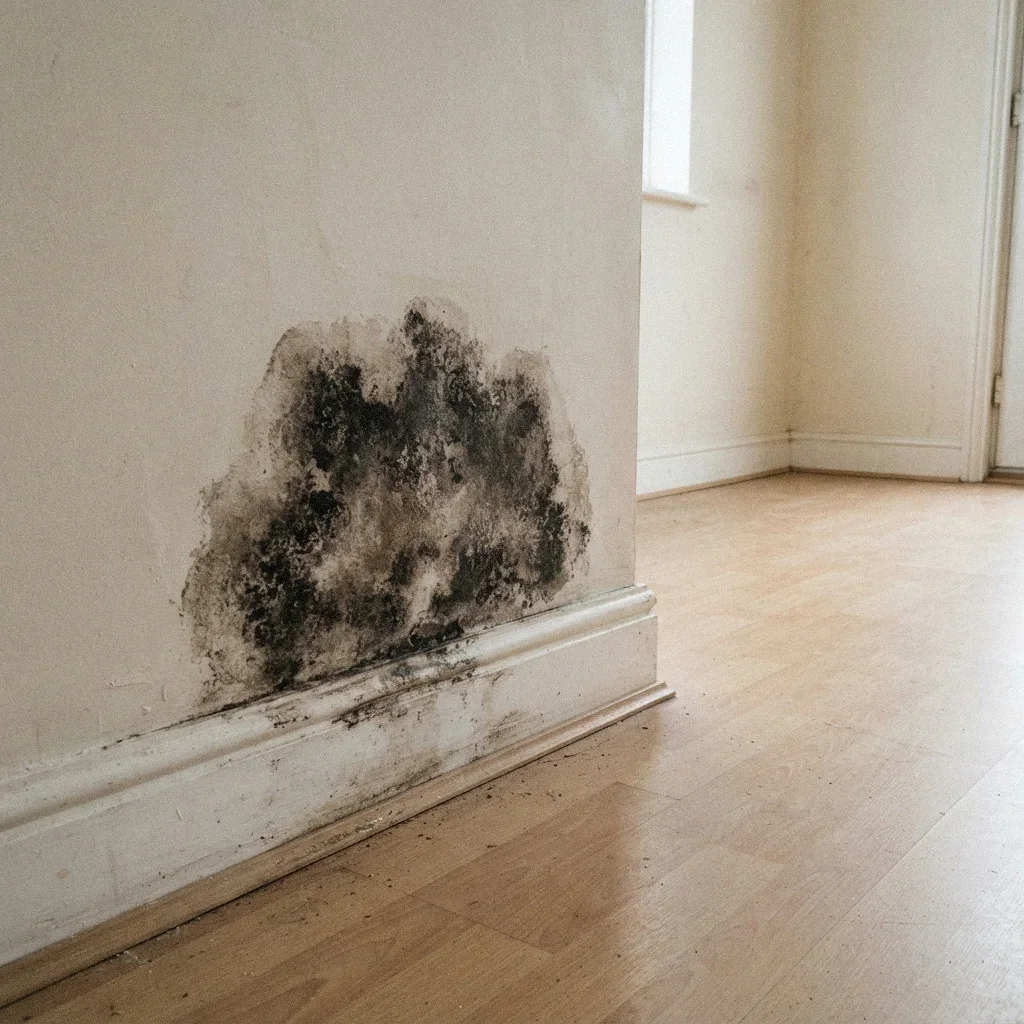
A leak in a San Diego home does not need a season to turn into a mold problem. This piece looks at what growth actually needs, why the window after a wetting event is not a fixed number, and why speed matters more than the day on the calendar.
Read article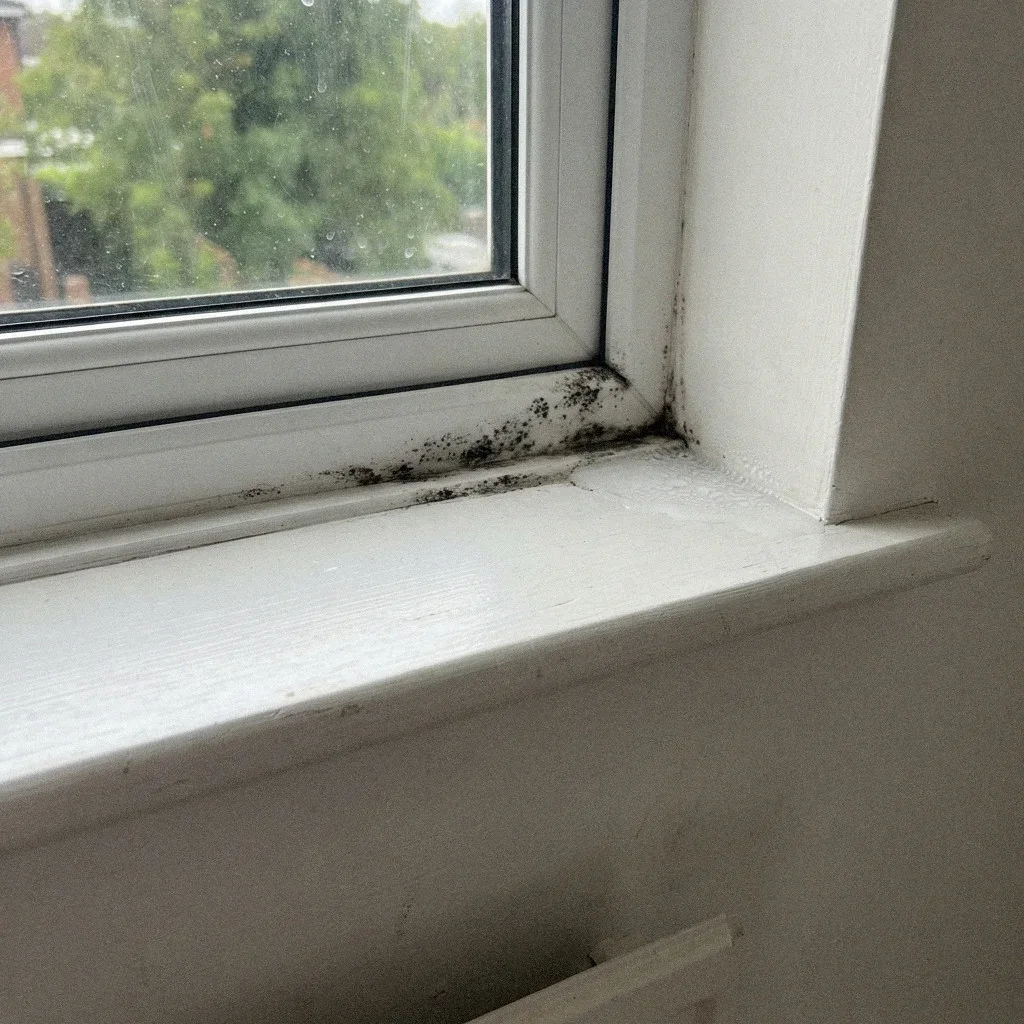
Bleach whitens mold on tile and grout, but on drywall, wood or grout lines it often leaves the growth intact underneath. Here is what bleach can and cannot do, and what actually works.
Read article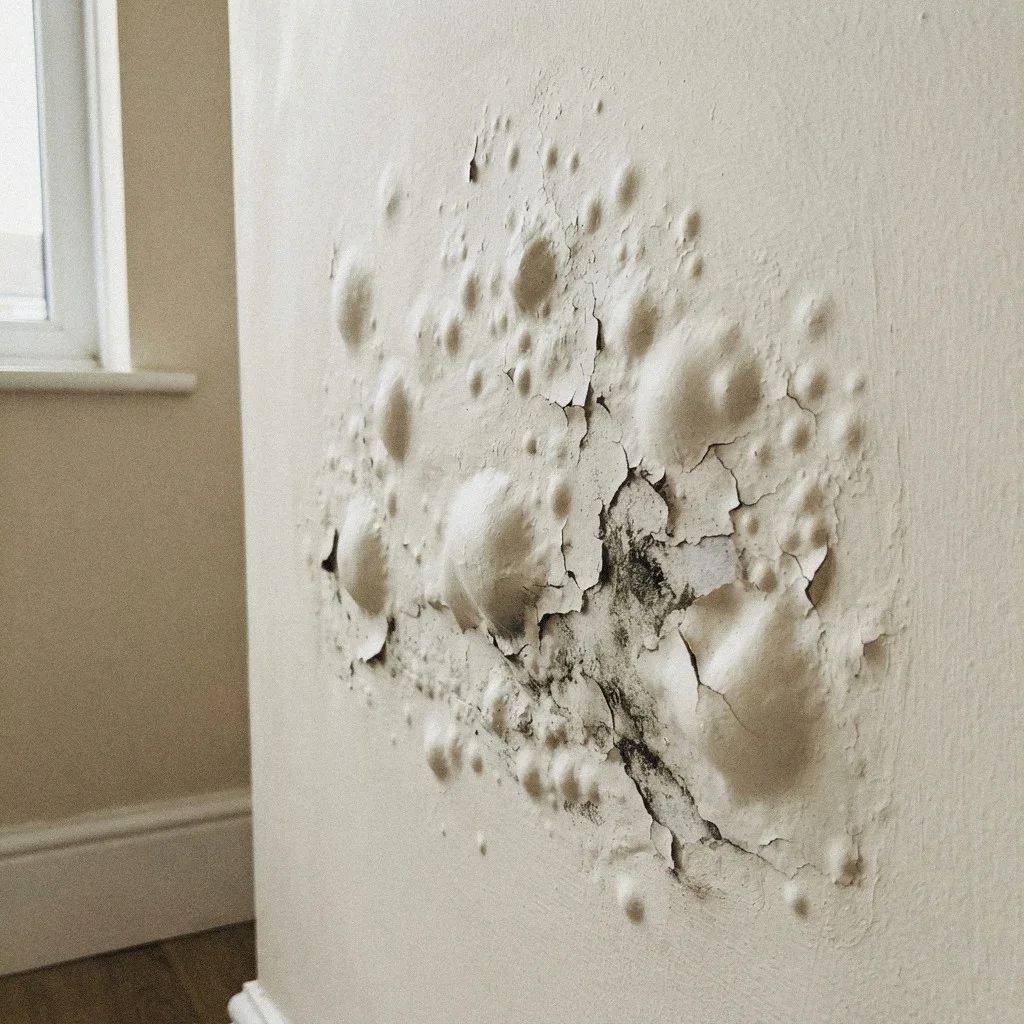
Mold and mildew get used almost interchangeably in San Diego, and the line between them is looser than the words suggest. Here is why the distinction rarely changes what a homeowner should actually do.
Read article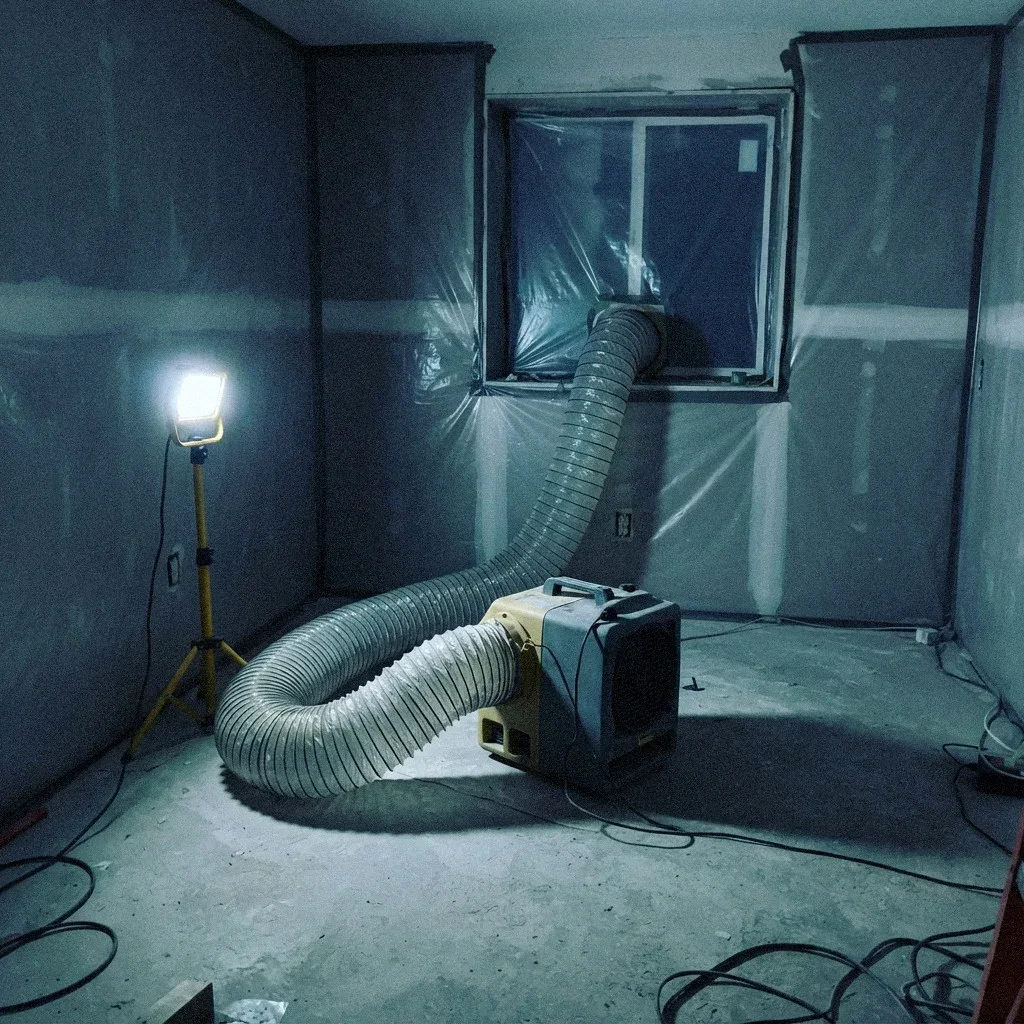
Containment and negative air are the line item cheap quotes skip. Here is what that plastic sheeting and fan are actually doing, and why leaving them out is not a discount.
Read article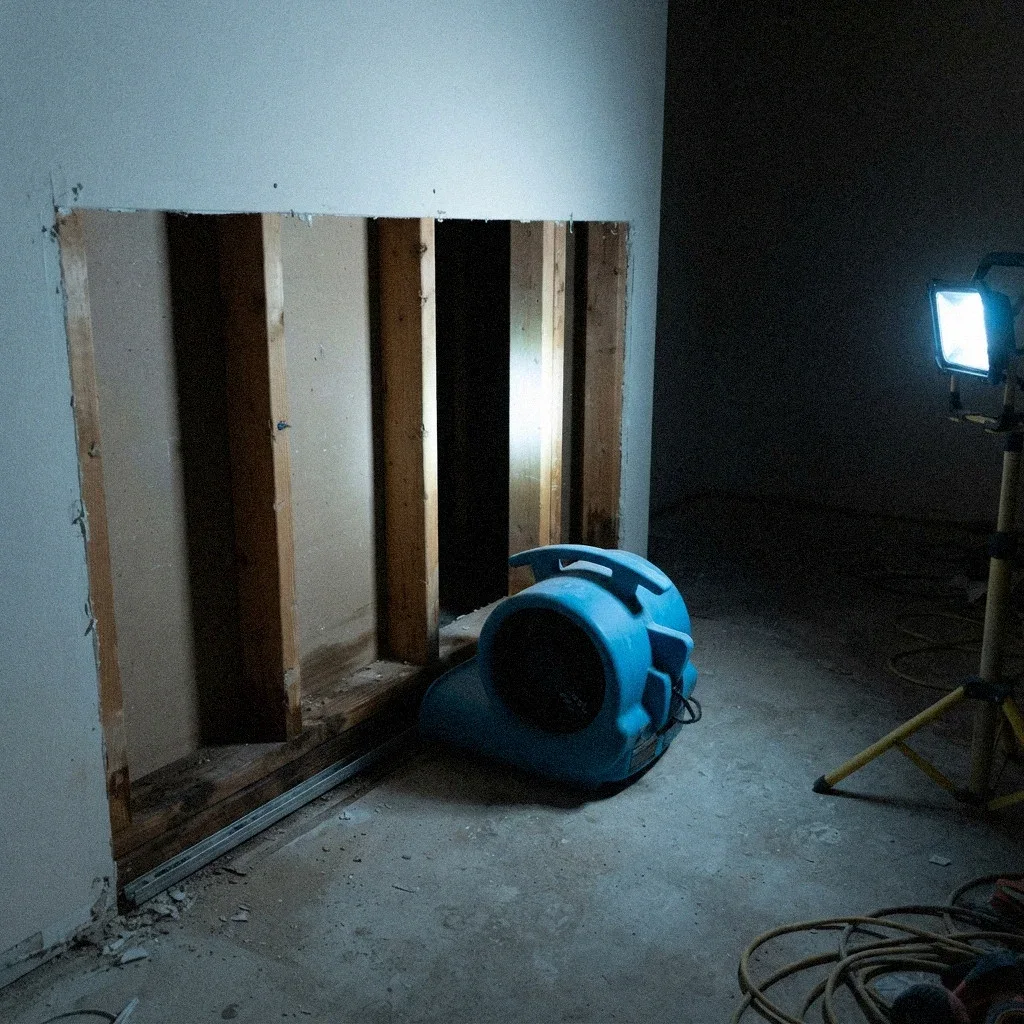
Moldy drywall is not cleaned, it is removed. Here is how far past the visible stain the cut runs, why it leaves the house bagged, and what that means for insulation behind it.
Read article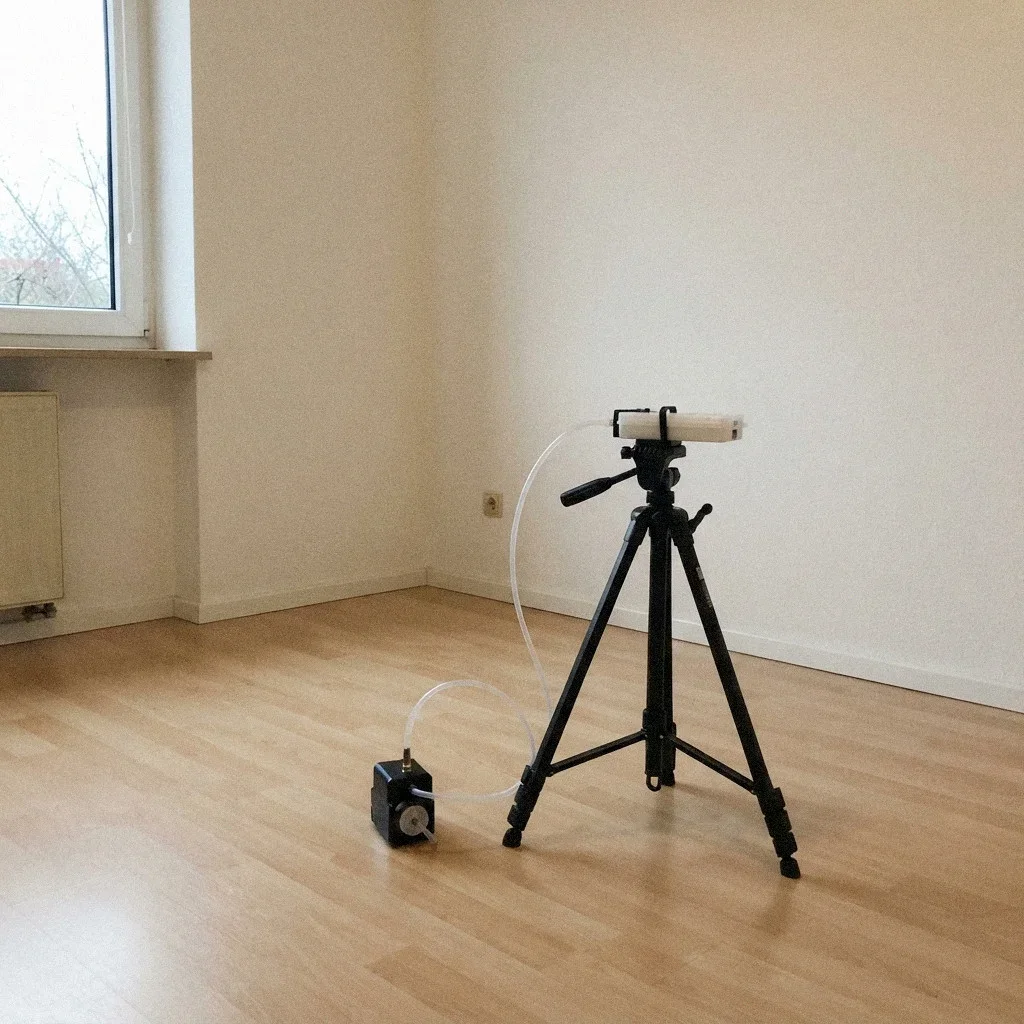
A clearance test tells you what the air or a surface looked like on the day it was sampled. It does not promise the house stays that way. Here is what San Diego homeowners should know before treating a pass as a finish line.
Read article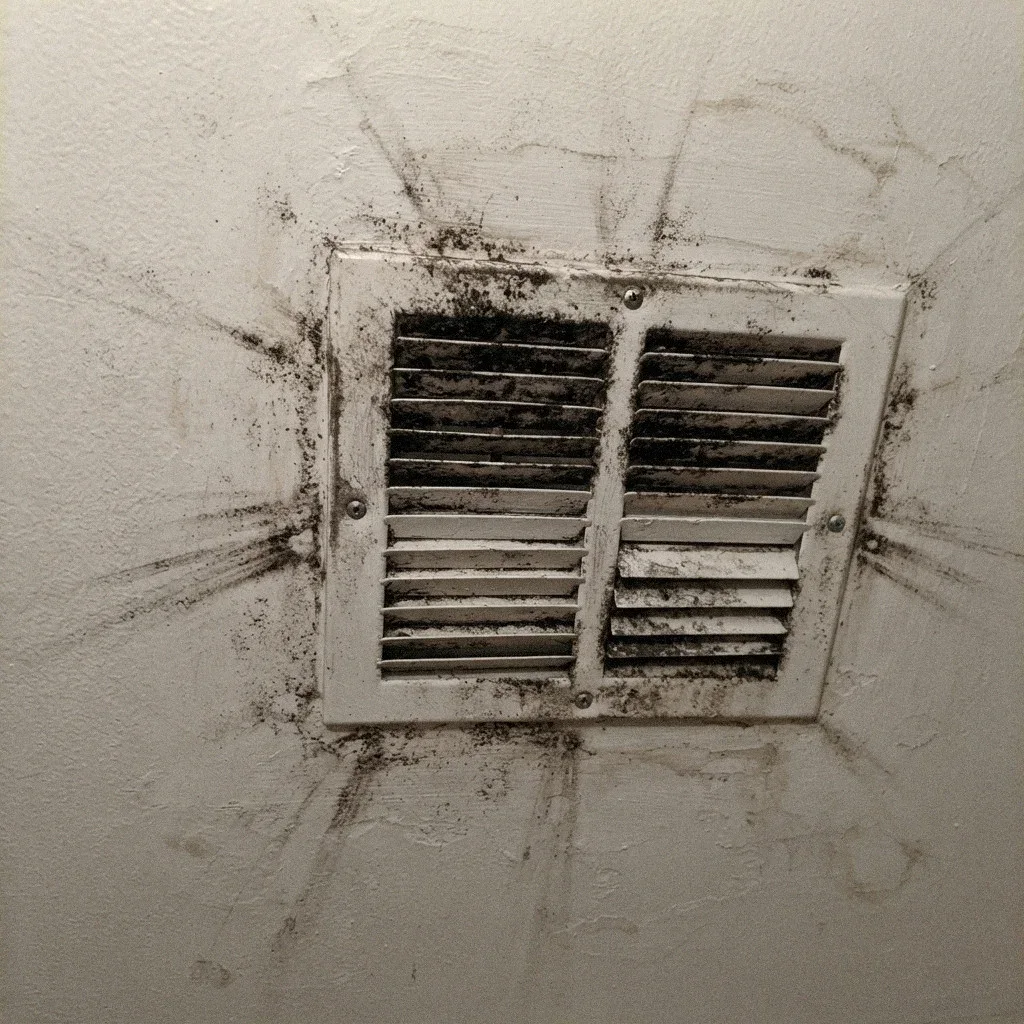
A HEPA air purifier catches airborne mold spores passing through it, which is real and useful. It does nothing to growth already sitting on a windowsill, drywall or AC coil, and it will not tell you where the water is coming from.
Read article
A bathroom extractor fan that sounds fine can still be venting straight into the roof space above it. In San Diego's marine humidity, that single wiring mistake feeds mold in two rooms instead of none.
Read article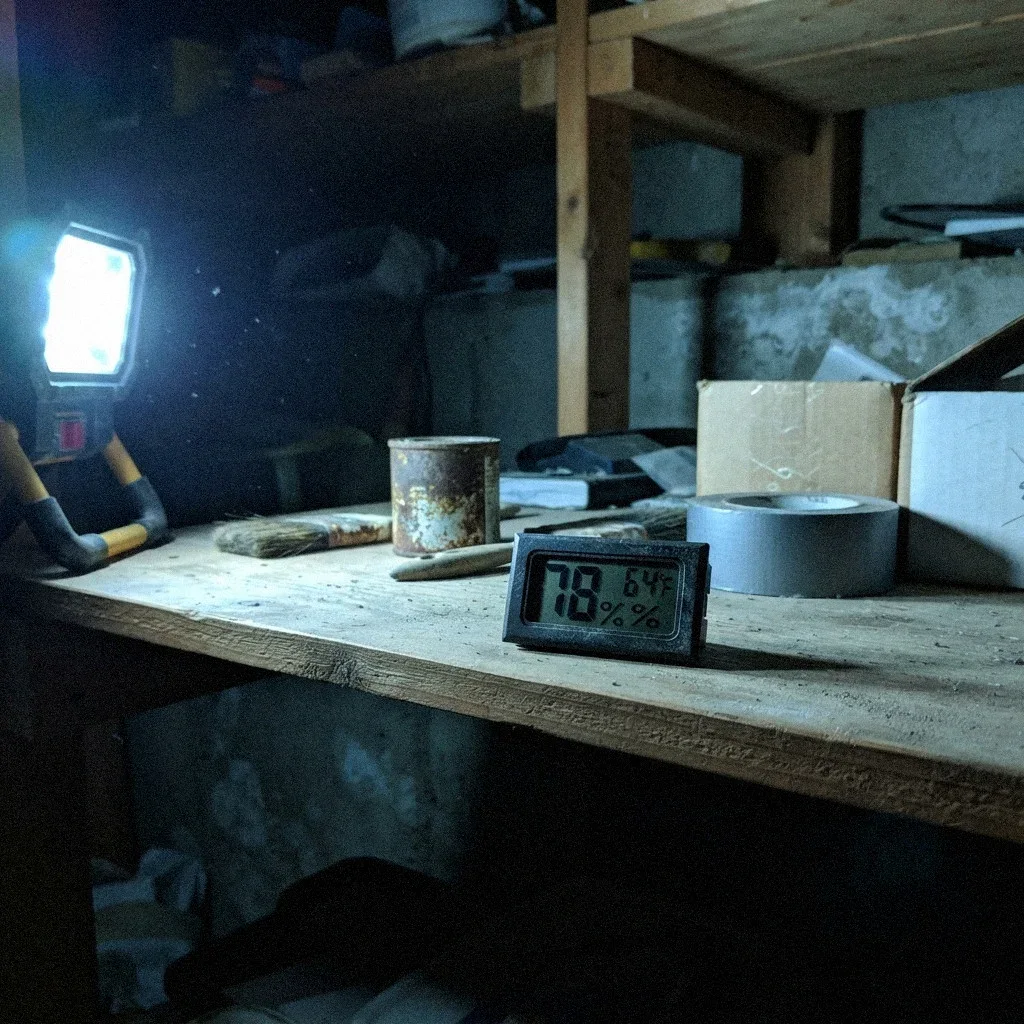
Sixty percent is the number that keeps mold spores from finding a foothold indoors. Here is how to measure it cheaply, what pushes it up in a San Diego house, and what to do when a humid spell holds on.
Read articleYes. Growth in San Diego tracks marine humidity, not storms. A shaded wall in Ocean Beach or a north-facing room in North Park stays damp from onshore air even through a dry stretch with no measurable rain at all. Add a window unit sweating condensate or a bathroom fan that never runs, and spores that were dormant find enough moisture to colonize drywall or grout within days, no downpour required.
It depends on the house more than the calendar. A 1920s cottage in Normal Heights with a crawl space vents moisture differently than a 1960s mesa-top tract home in Clairemont with central air. Marine humidity along Mission Bay and the coast pushes condensation onto cool surfaces year-round, no rain required. Age, foundation type, and how close you sit to the water matter more than which month it is.
Summer is actually the riskier stretch in San Diego. There's no rain to reveal a leak, so a slow one under a Clairemont slab or behind a Pacific Beach shower can run for months unnoticed. Marine air stays humid even on dry, sunny days, and window units or older AC lines add condensate that seeps into wall cavities. Growth needs damp material and time, not storms. A homeowner near Mission Bay or Tierrasanta should check under sinks and around units in August, not just after a winter rain.
None of this is a substitute for someone looking at your actual wall. These pages explain why San Diego houses near the coast, from Ocean Beach to La Jolla, grow mold on a dry summer with no rain at all, and what the guidance actually says about exposure and cleanup. Reading answers the general question. The licensed pros we connect you with answer the specific one. Call Now: (619) 833-1053 once you know what you're looking at and want it looked at properly.
Call (619) 833-1053