Somebody in San Diego has just been told the mold job is finished, and the proof is a clearance test. That word carries more weight than it should. A clearance test is a sample taken on one day, in one set of conditions, read against a comparison point. It is useful and specific. It is not a guarantee, a warranty, or a statement about next year. Knowing what was actually measured is the difference between reading the report correctly and reading more into it than it says.
What Gets Sampled
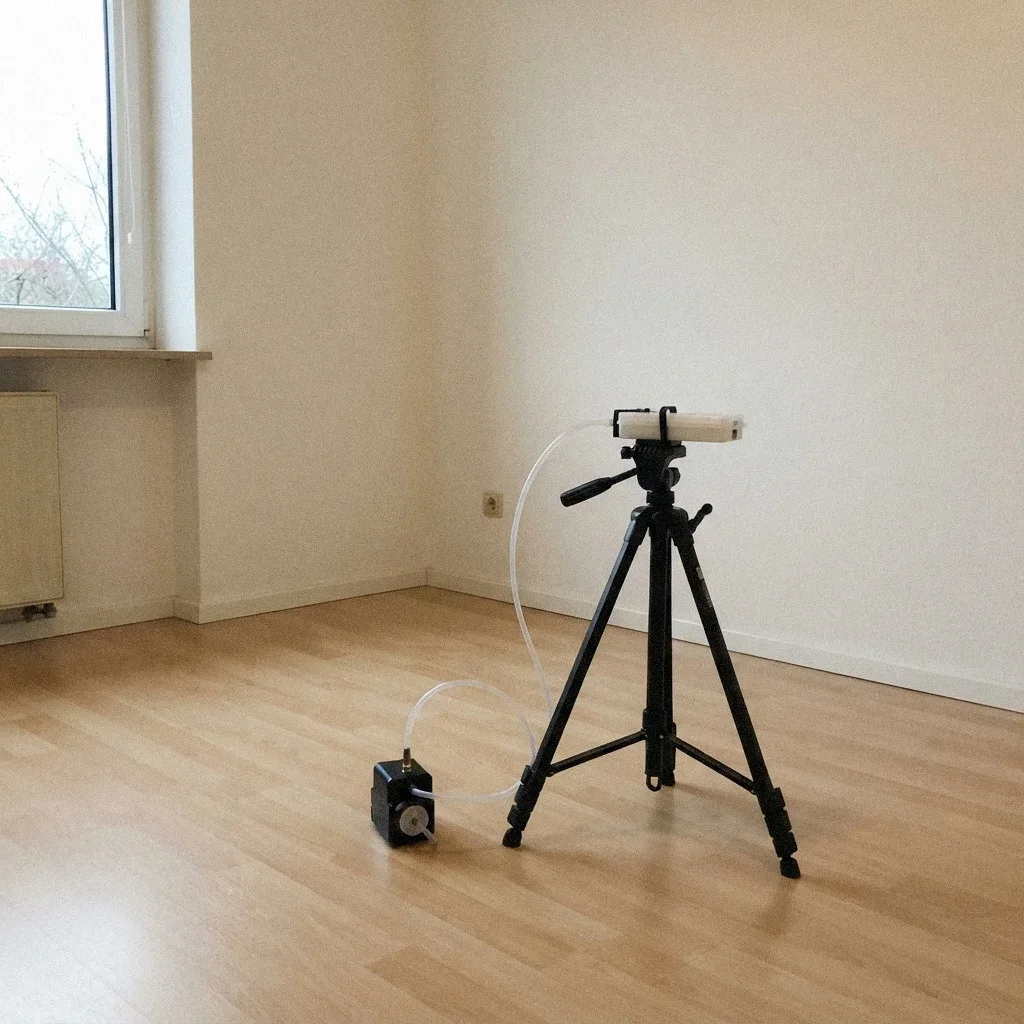
Clearance testing usually means air samples, sometimes paired with surface tape or swab samples from the area that was treated. The air sample counts spores per cubic meter in the room. The surface sample looks at what is growing on a specific spot. Neither test identifies a health risk directly. Both compare the treated space to a reference, usually outdoor air or an unaffected room in the same San Diego house, to see whether the numbers have come back down to something ordinary.
The Outdoor Comparison
Outdoor air in San Diego always carries some mold spores. That is normal, not a defect in the house. A clearance sample is not judged against zero. It is judged against that outdoor baseline, taken the same day, often just outside the property near Interstate 5 or wherever the crawl space vents to daylight. If the indoor count is close to or below the outdoor count, and the species mix looks similar, the room reads as cleared.
What A Pass Confirms
A pass confirms that on the day of sampling, the treated area's spore counts and surface condition were consistent with an unaffected space. It confirms the visible growth that was removed is gone and that the air in that room, at that hour, was not carrying an elevated load. That is a real and checkable fact. It is the end of the remediation step, documented in a way an insurer, a landlord, or a buyer's inspector in a Kensington or Clairemont sale can rely on.
What A Pass Does Not Confirm
A pass does not confirm the moisture source is fixed. It does not confirm mold will not return in six months if the same condensate line or the same leak behind a Talmadge or North Park bathroom wall is still wet. It does not test air quality for anything other than the specific analysis run, and it does not certify the house as generally healthy. Clearance is a snapshot of a treated area, not a warranty on the building.
Why The Distinction Matters
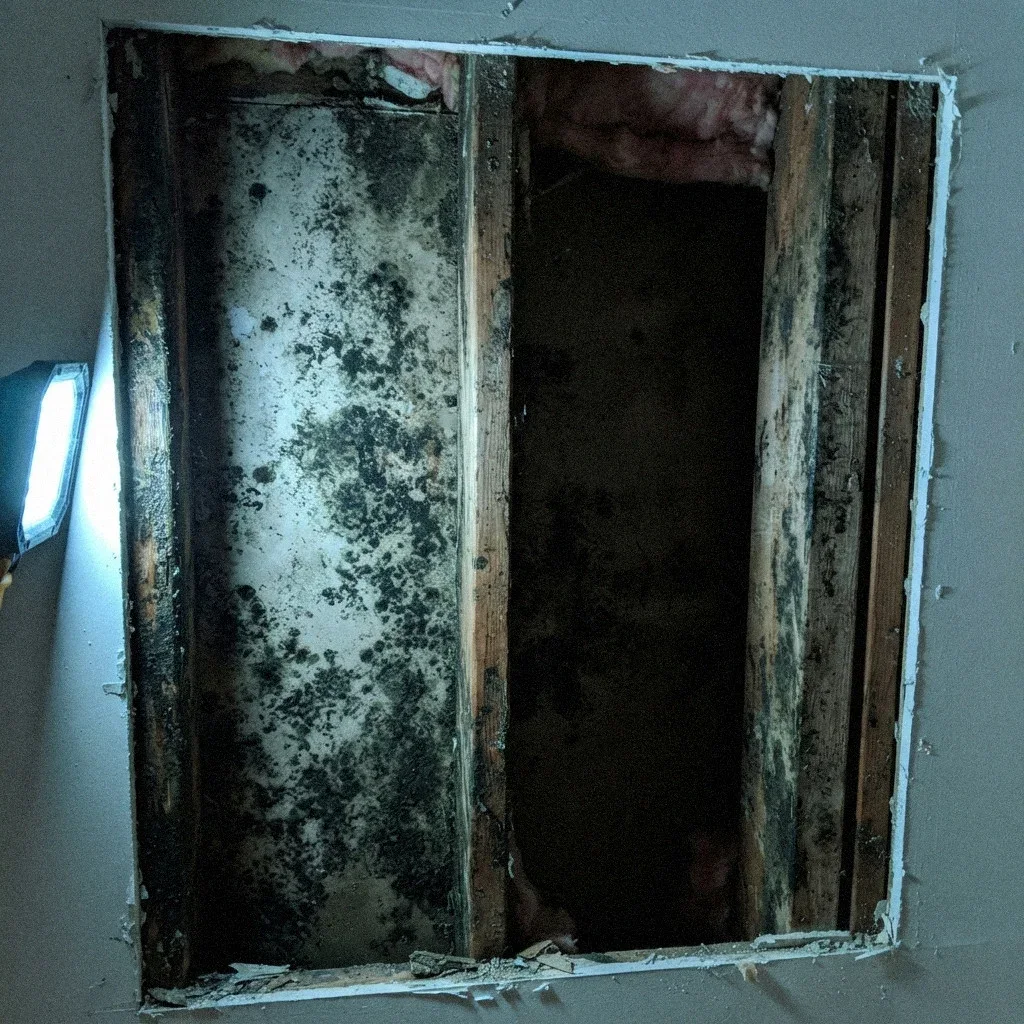
Homeowners in South Park or Bay Park sometimes treat a clearance pass as license to stop thinking about the leak that started the whole problem. That is backwards. The pass is the moment to confirm, separately, that the water source has been repaired. If the drywall was cut out because of a slow roof leak near Adams Avenue, the clearance test says nothing about whether that roof has since been fixed.
Testing Was Not Always Needed
A lab result names genus, sometimes species, and a spore count for each sampled spot, usually one inside the affected room and one outside as a baseline. A pass means the indoor count no longer stands apart from that baseline. It does not mean every spore is gone, and it does not certify the house against a future leak. If the moisture source that fed the growth was never fixed, a clean result today describes today, not next year.
When Clearance Gets Requested
Clearance testing tends to show up in real estate transactions, landlord-tenant disputes, insurance claims, or after remediation in a home with a health-sensitive occupant. A buyer closing on a University Heights bungalow, or a property manager near El Cajon Boulevard turning over a rental, wants paperwork that says the treated rooms came back clean. Outside those situations, a visual check that the growth is gone is often enough.
No Standard Says Zero
There is no number that means a house is mold-free, because mold spores exist in outdoor air everywhere, including over Mission Bay and along the San Diego River. IICRC S520 describes remediation practice, but it does not set a legal exposure limit, because no such limit exists federally. A clearance test result is a comparison, not a certificate of zero.
A Second Round, Sometimes
None of this replaces a plain look at the wall or ceiling where the growth was. If the patch is gone, the surface is dry to the touch, and the smell has not come back after a week with doors and windows opened normally, that is usually enough to move on without paying for a lab. Testing earns its cost when the dispute is about a sale, a lease, or a room nobody can agree is actually clean.
Reading The Report Itself
A clearance report should say what was sampled, where, when, and what it was compared against. If a report just says pass with no numbers or comparison point, ask what the comparison was. A useful report from a San Diego inspection lets a homeowner in Golden Hill or Normal Heights see the actual counts, not just a verdict, so the result can be checked rather than taken on faith.
What To Do With The Result
Keep the report with the rest of the remediation paperwork, especially if the property may sell or the claim may be reopened. Treat the pass as confirmation that the treated area is currently clear, and treat the moisture source separately: has it actually been found and fixed. For the fuller mechanics of testing and when it makes sense, the clearance testing guide covers that ground in more depth than a short piece like this one.
Dealing with this in your home?
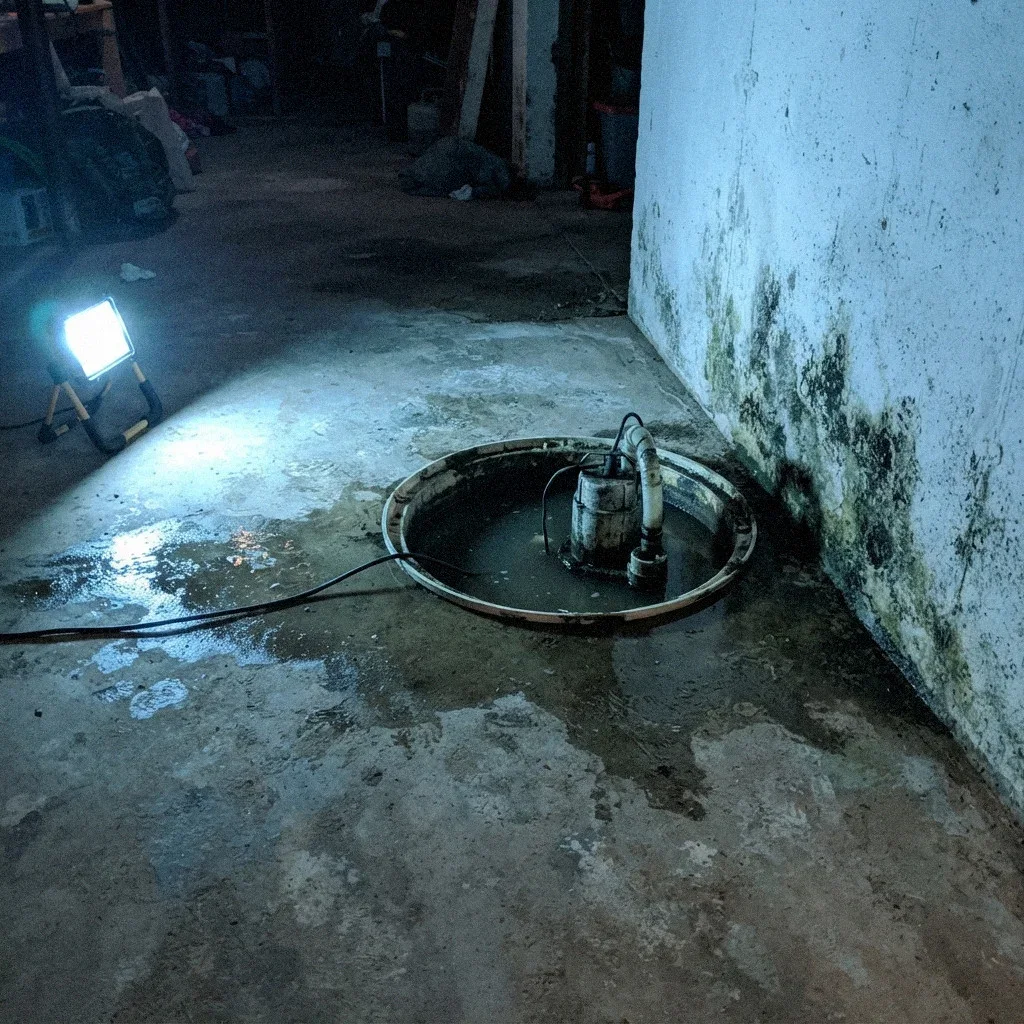
Mold in San Diego rarely starts with a storm. Marine air off the coast meets a cool interior surface, or an air conditioner drips quietly behind drywall, and growth begins without a drop of rain. A 1950s tract house near Clairemont Mesa Boulevard and a Craftsman near South Park fail the same way: moisture first, staining second. Bleach handles the color. It does not handle the source.