Sixty percent relative humidity is the rough line where mold stops finding indoor air merely damp and starts finding it workable. Below that line, most building materials dry faster than spores can establish on them. Above it, especially for days at a stretch, drywall paper, grout lines and closet corners in a San Diego house start to hold enough moisture to matter. This post is about staying under that line day to day, not the physics of why the number matters — the humidity guide covers that.
Why This Number, Practically
The reason sixty percent is worth watching in San Diego rather than some other city is that outdoor air here is often already close to it. Marine layer mornings push humid air against cool glass and stucco walls whether or not any rain has fallen. A house near La Jolla or Ocean Beach can sit at sixty-plus percent indoors on a July morning with a clear afternoon ahead. The target is not about waiting out a storm. It is a number to hold through an ordinary week.
Measuring It Without Guessing
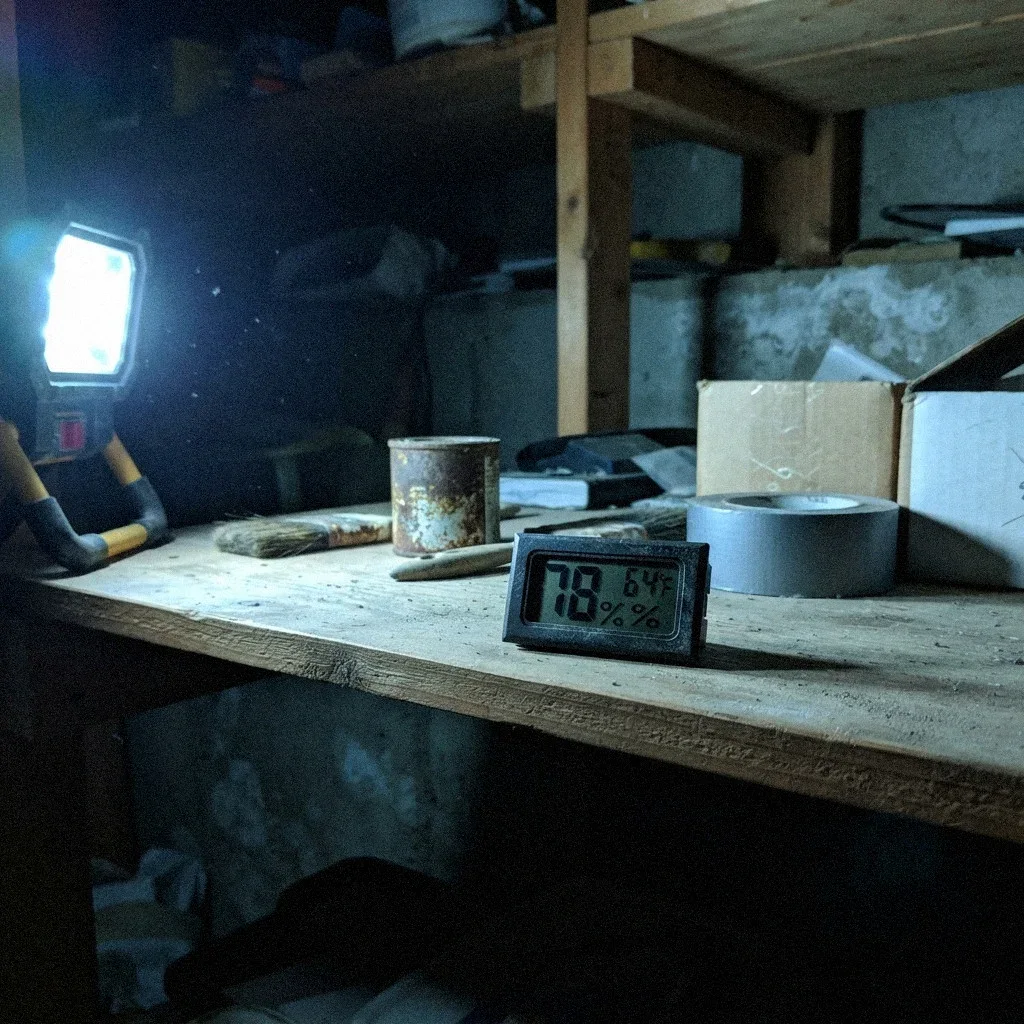
Sixty percent is the line where dust mites and mold both find indoor air comfortable, and where a cool surface nearby is more likely to sit wet long enough for spores to take hold. Below that number, most building materials dry out between wetting events instead of staying damp. A cheap hygrometer from a hardware store, placed in the room that worries you, is the only way to know where you actually stand rather than guess from how the air feels.
What Raises It Indoors
Cooking, showering, and drying laundry indoors all push humidity up for hours at a time, and a house near Mission Bay or the Pacific Ocean starts most days with marine air already carrying a head start. A blocked air conditioning condensate line adds water somewhere it should not be, unnoticed until a ceiling stain appears below it. Running kitchen and bathroom exhaust fans during and after these activities, and for a while after, keeps the spike shorter.
The Condensate Line Problem
Where air conditioning exists, a blocked condensate line does the opposite of what the system is supposed to do: instead of removing humidity, it adds standing water to the pan, the air handler cabinet and whatever ceiling or wall sits below it. This is worth checking on its own schedule regardless of what the hygrometer says, because a slow leak there can push a small area of a room well past sixty percent while the rest of the house reads normal.
Windows That Sweat Overnight
May Gray and June Gloom bring weeks where the outdoor air itself sits near saturation before it burns off by afternoon, and a house that stays shut against the morning fog holds that humidity indoors well past noon. Opening windows once the sun has cleared the marine layer, rather than first thing, lets a home vent into drier air instead of trading damp for damp. A portable dehumidifier in one problem room is a reasonable answer where whole-house air conditioning is not installed.
What To Do In A Humid Spell
During a stretch of heavy marine layer — thick fog that is slow to burn off, several mornings in a row — run exhaust fans longer than usual and open windows once the fog lifts rather than leaving the house sealed all day. If a room is consistently reading high, a portable dehumidifier sized to that room will do more than a whole-house approach. The goal during a humid spell is not a single fix but keeping the number moving down each afternoon rather than climbing all week.
Rooms That Never Catch Up
Some rooms run high no matter what the rest of the house does — a bathroom with no window near Kensington or Talmadge, a laundry closet vented into an attic instead of outside, a bedroom over a crawl space in an older North Park or South Park bungalow. If a hygrometer in one room stays above sixty percent for days after the rest of the house has come down, the room has a moisture source of its own worth finding, not a ventilation habit worth changing.
Fans That Vent Into Nothing
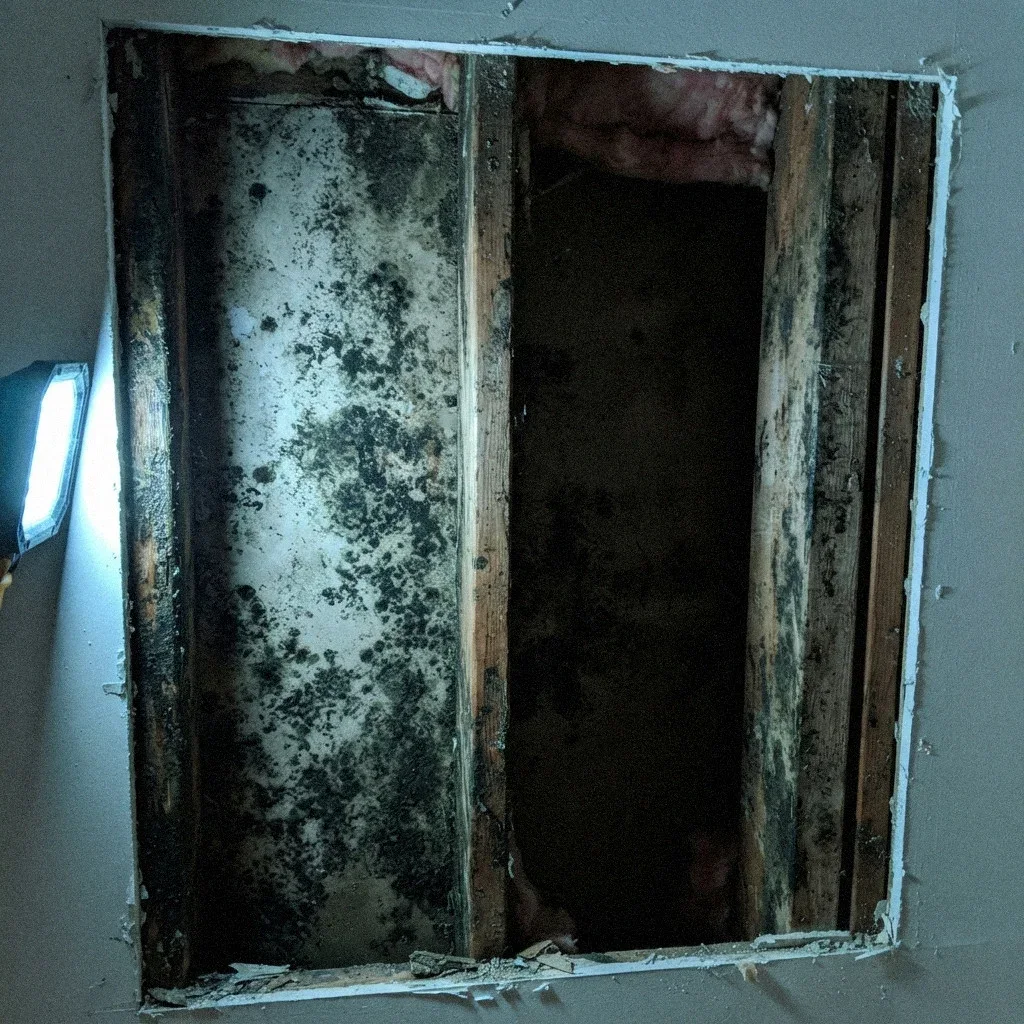
A hygrometer reading is a starting point, not a verdict, and a number under sixty percent does not clear a house that already has a musty smell or a dark patch on drywall. Our indoor humidity and condensation control guide covers why the threshold works the way it does. If a reading stays high no matter what you try, the likelier explanation is a leak or a stalled fan somewhere in the house, not the weather outside it.
Plants, Pets And Small Habits
A dense cluster of houseplants, a fish tank, or drying a load of laundry on an indoor rack all add measurable moisture to a room, and in a house that is already running close to sixty percent, any one of these can be the difference between staying under the line and not. None of this needs to be given up. It just helps to know which habits are adding to a number that outdoor air near the coast is already pushing up on its own.
When A Meter Is Not Enough
If humidity keeps climbing back above sixty percent within a day of ventilating, dehumidifying and checking the obvious sources, the moisture is probably coming from somewhere structural rather than from daily living — a stucco wall holding water at a failed flashing detail, a slab leak, or a crawl space common in San Diego's pre-1950s neighborhoods. A hygrometer will tell a homeowner that something is wrong. It will not say what, and that is where the humidity long guide picks up.
Keeping It A Habit
Holding a house under sixty percent is not a one-time fix but a small set of habits repeated through the year: a hygrometer checked now and then, fans that vent where they are supposed to, a condensate line checked on schedule, and a bit more ventilation during a heavy marine layer spell. None of it is dramatic, which is exactly why it works — mold indoors is almost always the result of humidity nobody was watching, not humidity nobody could have measured.
Dealing with this in your home?
Mold in San Diego rarely starts with a storm. Marine air off the coast meets a cool interior surface, or an air conditioner drips quietly behind drywall, and growth begins without a drop of rain. A 1950s tract house near Clairemont Mesa Boulevard and a Craftsman near South Park fail the same way: moisture first, staining second. Bleach handles the color. It does not handle the source.