Now taking calls — fast callback for urgent mold problems · (619) 833-1053
Mold Remediation in San Diego, CA
San Diego, CA

Containment, Removal, and Verified Cleanup in San Diego, CA

Containment, removal, and HEPA cleaning done in the right order.

A stucco bungalow off Adams Avenue in Normal Heights, a raised-floor rental near El Cajon Boulevard, a condo above the marine layer in Pacific Beach — the smell shows up the same way in all of them, and by the time somebody calls about mold remediation the growth is usually past the point where a spray bottle and a rag do anything but spread it.

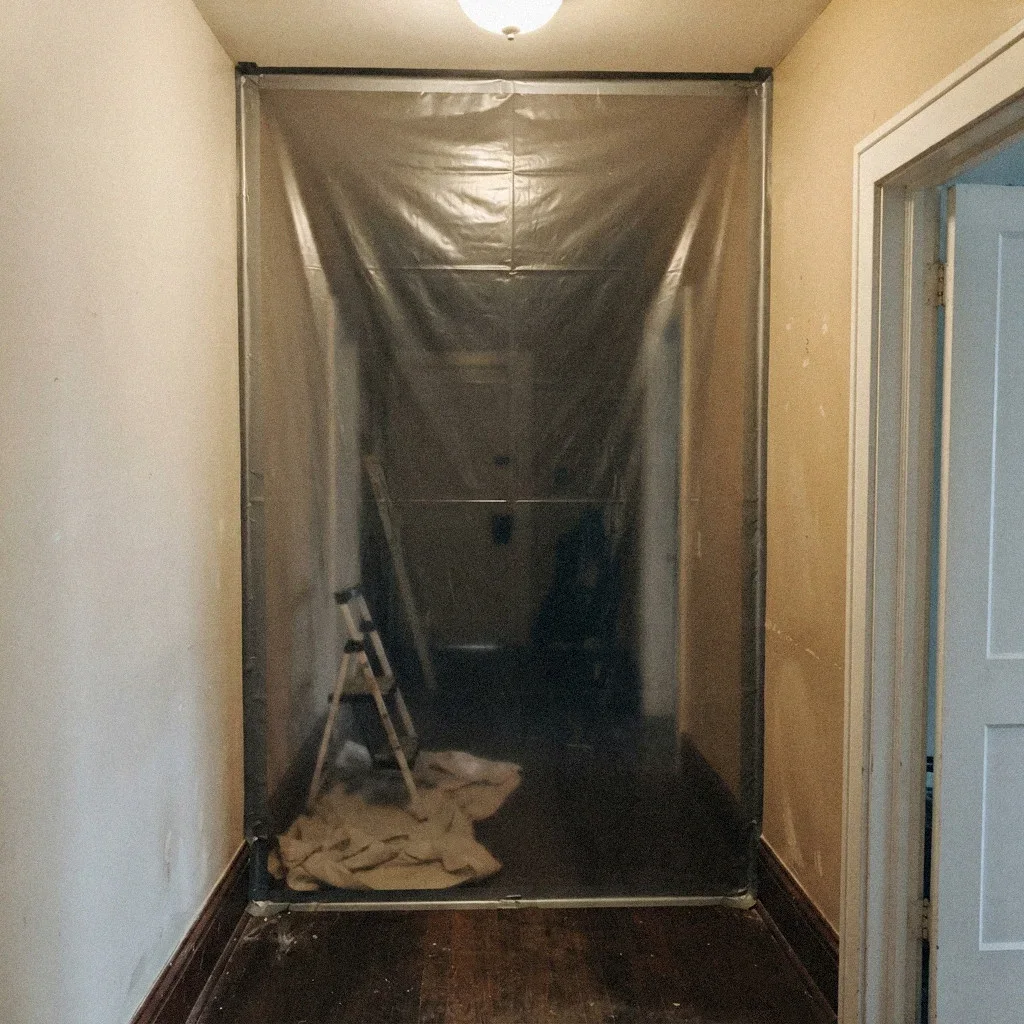
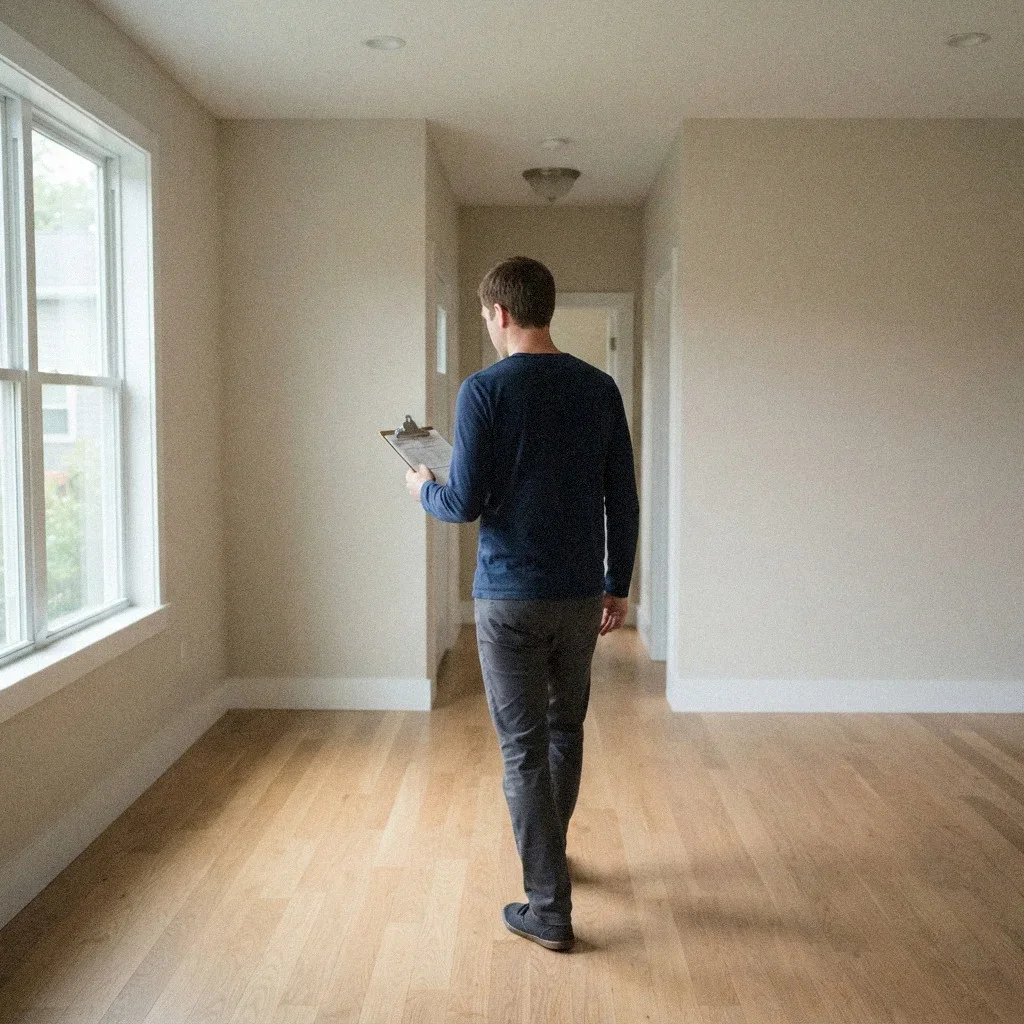
A remediation crew starts by walking the containment line before touching anything: where the plastic seals to the stud, where the negative air machine sits relative to the return duct, which side stays dirty. In a Kensington bungalow or a Clairemont ranch house, that sequence decides whether spores travel into the hallway or stay put. Drywall and insulation that held moisture too long come out; framing and hard surfaces usually get cleaned and treated instead. Skipping the containment step is the shortcut that turns one bad wall into a whole-house job.

Across San Diego County, whether you're in Golden Hill, Normal Heights, University Heights, or elsewhere around San Diego, mold remediation is worth arranging with somebody who works on this housing stock rather than a generic plan. Foundation type, soil and building age all change what has to happen first.

Nearly all of this work is residential: residential mold removal covers the approach for houses, while commercial and multi-unit buildings are handled under commercial mold removal.

Warning Signs

Signs You May Need Mold Remediation

Why Containment Comes First

A musty smell that comes back after cleaning is usually colonization inside a wall cavity or under flooring, not a surface stain. In North Park bungalows and Kensington cottages with original wood siding, the growth often sits behind the finish where a homeowner never looks. Wiping the visible patch handles nothing if the material underneath is still wet and still feeding it.

What Gets Removed, What Gets Cleaned

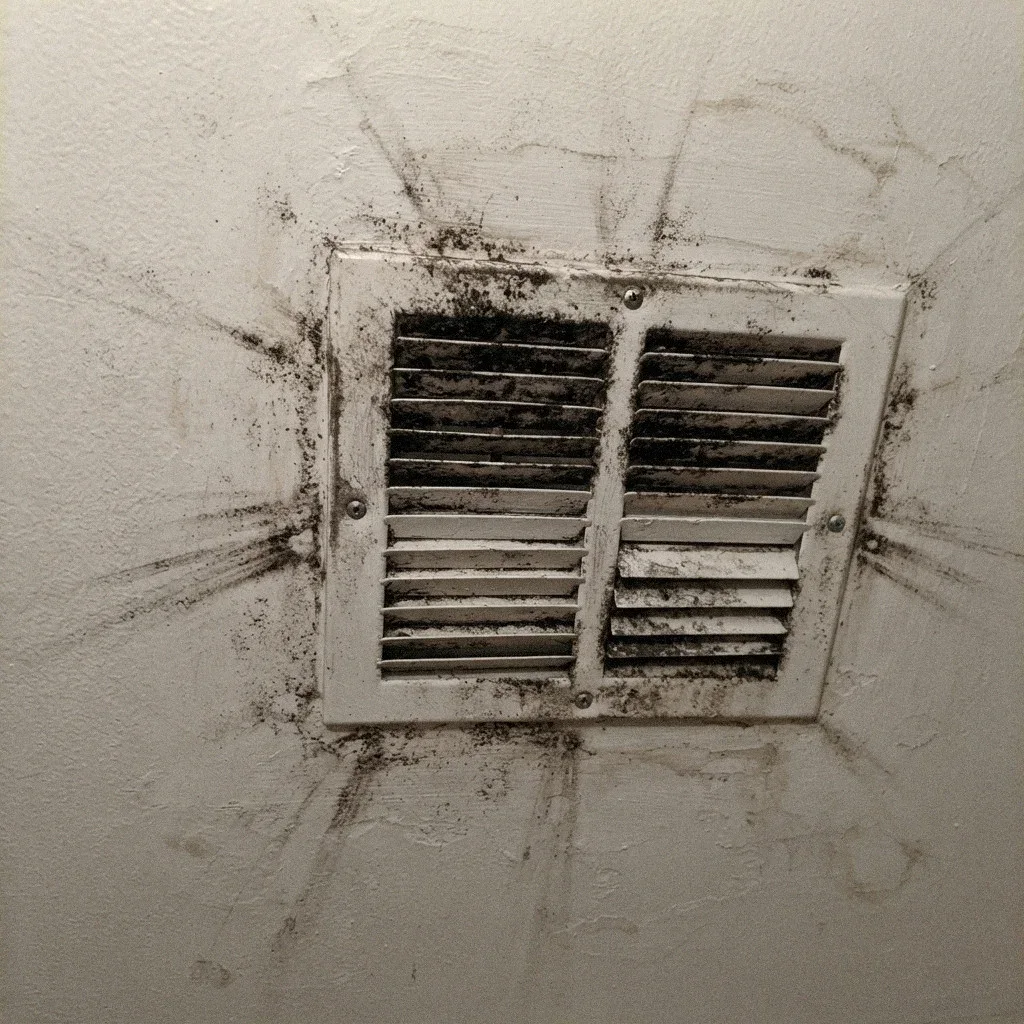
Dark spotting along a baseboard in Golden Hill or South Park usually means moisture has been sitting there long enough for colonization to take hold, not just a day or two of dampness. If the material is porous, drywall paper, carpet pad, particleboard, the growth is inside it and cleaning the face does very little. That is the point where source removal, not surface cleaning, becomes the job.

What The Homeowner Does Meanwhile

Peeling paint or a soft patch on a wall near a bathroom in Talmadge or University Heights points to moisture moving through the material rather than sitting on top of it. Stucco holds water against sheathing longer than most homeowners expect, and by the time paint fails, growth has often had time to establish. A soft wall deserves a look before it gets painted over again.

How It Works

Our Mold Remediation Process

Contain the Space Before Anything Opens

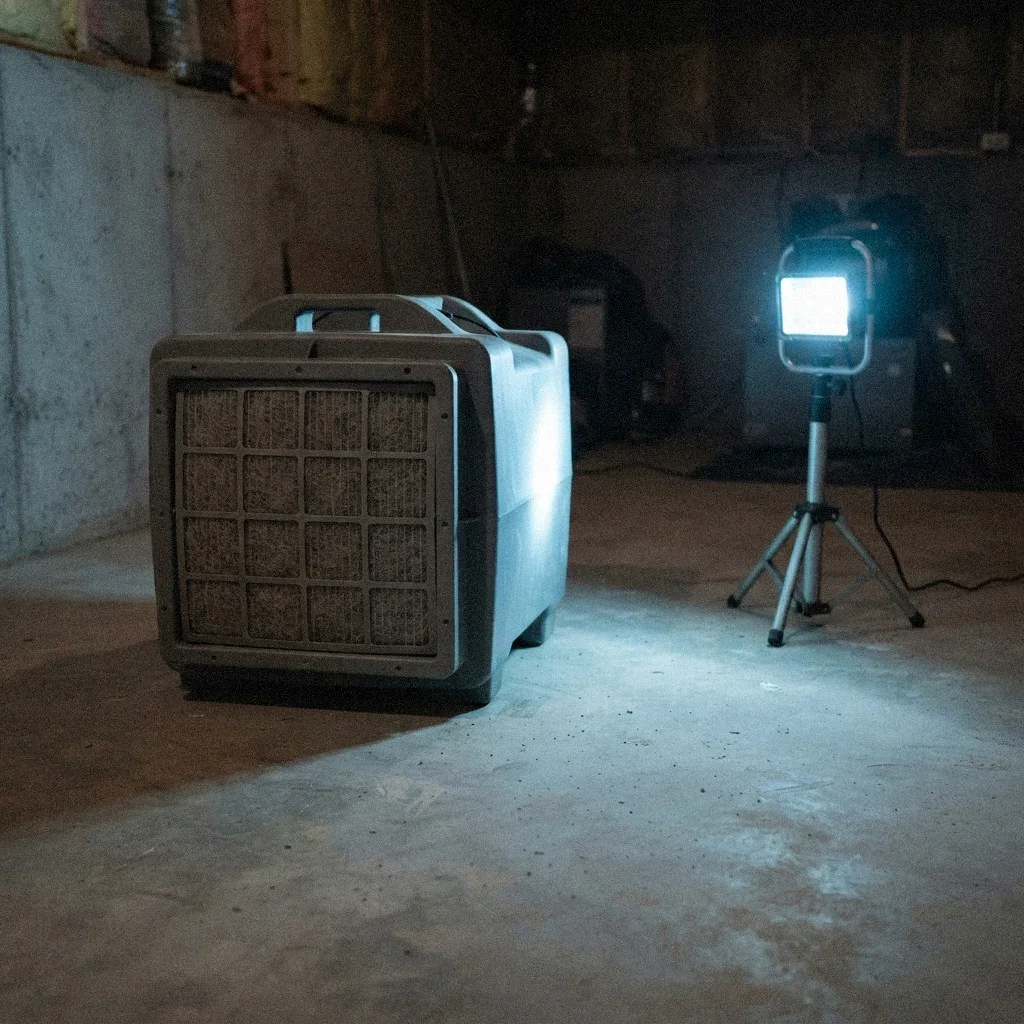
Containment goes up first, plastic sheeting sealing the work area, with negative air pressure pulling inside air through an air scrubber and out. This keeps spores from spreading to the rest of the house before anything is touched.

Negative Air and HEPA Scrubbing Begin

Porous material that cannot be cleaned, saturated drywall, soft insulation, delaminated particleboard, is bagged and removed as non-salvageable. Framing and other structural material generally stay and get treated rather than replaced.

Source Removal of Non-Salvageable Material

Remaining surfaces get HEPA vacuumed and wiped down, then treated with an antimicrobial to address the growth left in the material. Some finished surfaces may be sealed with an encapsulant afterward.

HEPA Cleaning, Then Verification

A final visual check confirms no active growth or residue remains before containment comes down. The area is considered ready to rebuild once this clears.

Why this matters

Wood-frame houses with stucco exteriors, the dominant envelope across San Diego neighborhoods like Bay Park and City Heights, hold moisture against the sheathing once water gets behind the cladding. That trapped dampness lets colonization spread through framing and porous material with no visible sign until paint or drywall starts to fail, which is why containment and correct source removal matter more here than in a house with a ventilated basement.

Licensing & Local Standards

Code-Compliant Mold Remediation in California

The S520 Sequence, Not A Spray Job

Mold remediation under IICRC S520 is a sequence, not a single visit. The licensed pros we connect you with isolate the affected room with containment, run negative air through a HEPA-filtered air scrubber so spores do not travel to the rest of the house, remove porous material that cannot be cleaned, HEPA-clean what stays, and verify the space before taking containment down. A quote that skips containment and negative air has priced a smaller job than the one your San Diego house actually needs.

Marine Air Means No Off-Season

San Diego does not get a mold season the way rainy cities do. Marine air off the Pacific Ocean keeps humidity up year-round, and colonization on a bathroom ceiling in Pacific Beach or a closet wall in Clairemont can start in July as easily as January. That means mold remediation gets called for on a schedule set by leaks and condensation, not storms. The licensed pros we connect you with treat every month as remediation season here.

No Surprises

The Cost of Mold Remediation, Up Front

Most mold remediation jobs in San Diego fall inside these ranges. The inspection costs nothing and the exact figure is written down before any work starts.

Mold Remediation — estimated ranges, per treatment
Time InvolvedTypical Cost RangeLasting Result
Bleach whitens the patch you scrubbed and leaves the rest of the colony rooted in the material underneath. A remediation crew removes what is holding the growth, not just the shade of it. If the moisture feeding it stays, whatever painted over the stain returns within a season, in Del Cerro or anywhere else in the county. Basic cleanup where no demolition is needed an estimated $935–$4095
A can of mold-killing spray treats one visible patch on one visit. It says nothing about the leak, the condensation point, or the airflow gap that grew that patch in the first place. Spray it again next month and the same stain reappears, because the surface was never the actual problem to begin with. Growth behind drywall in one contained area an estimated $1100–$5850
Cleaning products are rated for hard, nonporous surfaces like tile and glass. Drywall, wood trim, and insulation absorb moisture and hold growth below the surface, where a wipe or spray cannot reach. Porous material with real growth in it usually gets removed and replaced, not scrubbed and resealed. Broader containment with damaged-material removal an estimated $1650–$9360
Store-bought treatments are built to satisfy a one-time visible complaint, not to diagnose why a surface stayed damp long enough to grow something. Without finding and closing off the moisture source, any cleaning is temporary. The stain returns because the same conditions that made it are still sitting behind the wall. Large HVAC or structural material involvement an estimated $2640–$15600

Ask what caused the damp before asking what the cleanup costs, because a number without that answer is a guess wearing a decimal point. The licensed pros we connect you with should be able to point to the water before they point to a price, and a homeowner is owed that order.

Questions & Answers

Frequently Asked Questions

How long does mold remediation actually take?

Most residential jobs in neighborhoods like Clairemont or Kensington run two to five days, from setting up containment through final HEPA cleaning and clearance. A small bathroom job can finish faster; a job involving framing behind a shower wall in an older Talmadge house runs longer. The homeowner is usually asked to stay out of the contained area and keep pets away until the pros clear it.

Do you tear out all the drywall?

No. Drywall, insulation, and other porous material only come out where they cannot be cleaned, usually where growth has gone through the paper face or the material stayed wet long enough to break down. Framing, tile, and other non-porous or structural surfaces typically get HEPA vacuumed and treated with an antimicrobial instead of removed. A contractor should be able to point to each wall and say which category it falls in.

What does mold remediation actually involve, step by step?

IICRC S520 is the voluntary industry standard the licensed pros we connect you with follow: containment, negative air, removal of non-salvageable porous material, HEPA cleaning, and a final check before containment comes down. California has no mold-specific contractor license, so ask any contractor which CSLB classification and S520 training they hold rather than assuming a license class exists.

What actually gets thrown away versus cleaned and kept?

A remediation crew's job is removing and cleaning what is already there, not diagnosing why moisture reached that spot in the first place. That is a separate question, often condensation, a slow plumbing leak, or a stucco flashing failure, and it needs its own look. Fixing the mold without fixing the moisture source, whether in Rancho Penasquitos or Mira Mesa, means the same colonization returns.

Do I need to leave the house during remediation?

Usually not for a contained bathroom or closet job, since containment and negative air are built to keep spores out of the rooms you are using. For a larger job spanning multiple rooms in an older Kensington or Normal Heights house, the pros doing the work may recommend staying elsewhere for comfort and dust, but that is a case-by-case call, not a standard part of the process.

How do you stop mold from spreading to other rooms?

Usually not. Testing is generally unnecessary once mold is visible; the growth itself is the evidence, and no California exposure limit exists for the lab to measure against anyway. What matters more is an accurate visual scope, PPE appropriate to the job, and a clear list of what gets removed as non-salvageable versus cleaned in place.

How much does mold remediation cost in San Diego?

No safe exposure level exists for indoor mold, and testing rarely changes what happens next: if you can see it or smell it, the work is removal, not lab confirmation. What matters more is why it grew. Marine humidity meeting a cool surface, or a condensate line nobody checked, will feed new growth again unless that moisture source gets fixed first.

Get Started Today

Talk through this specific job

This is one piece of a larger job, and it rarely stands alone. A leak that stains a ceiling in Kensington or a condensation line in a Pacific Beach bathroom usually needs both the moisture stopped and the growth removed, in that order. The licensed pros we connect you with in San Diego can tell you on the call whether this service covers what you're dealing with or whether the source needs attention first. Call Now: (619) 833-1053 and describe what you're looking at.

Call (619) 833-1053
Free inspections & same-day service available
Call (619) 833-1053 Schedule Online