Mold and Moisture
Mold in San Diego Homes
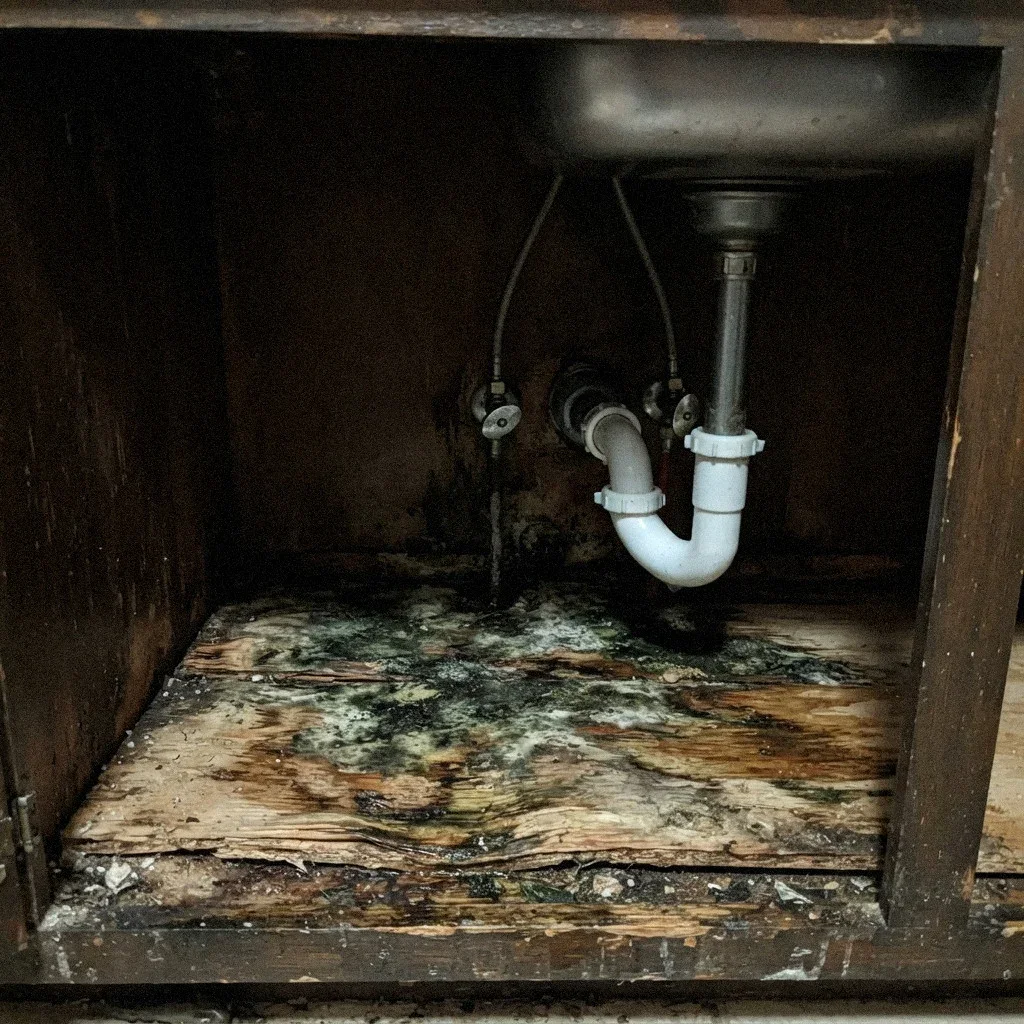
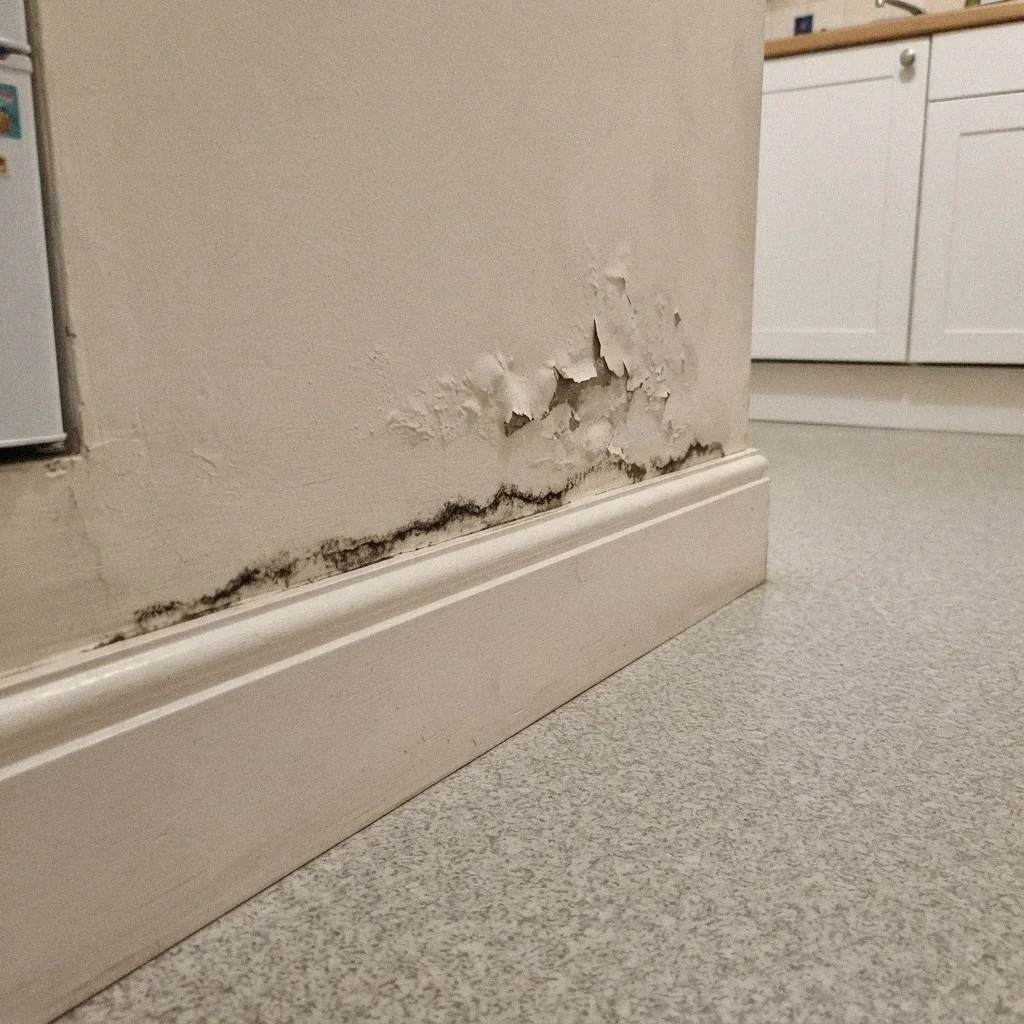
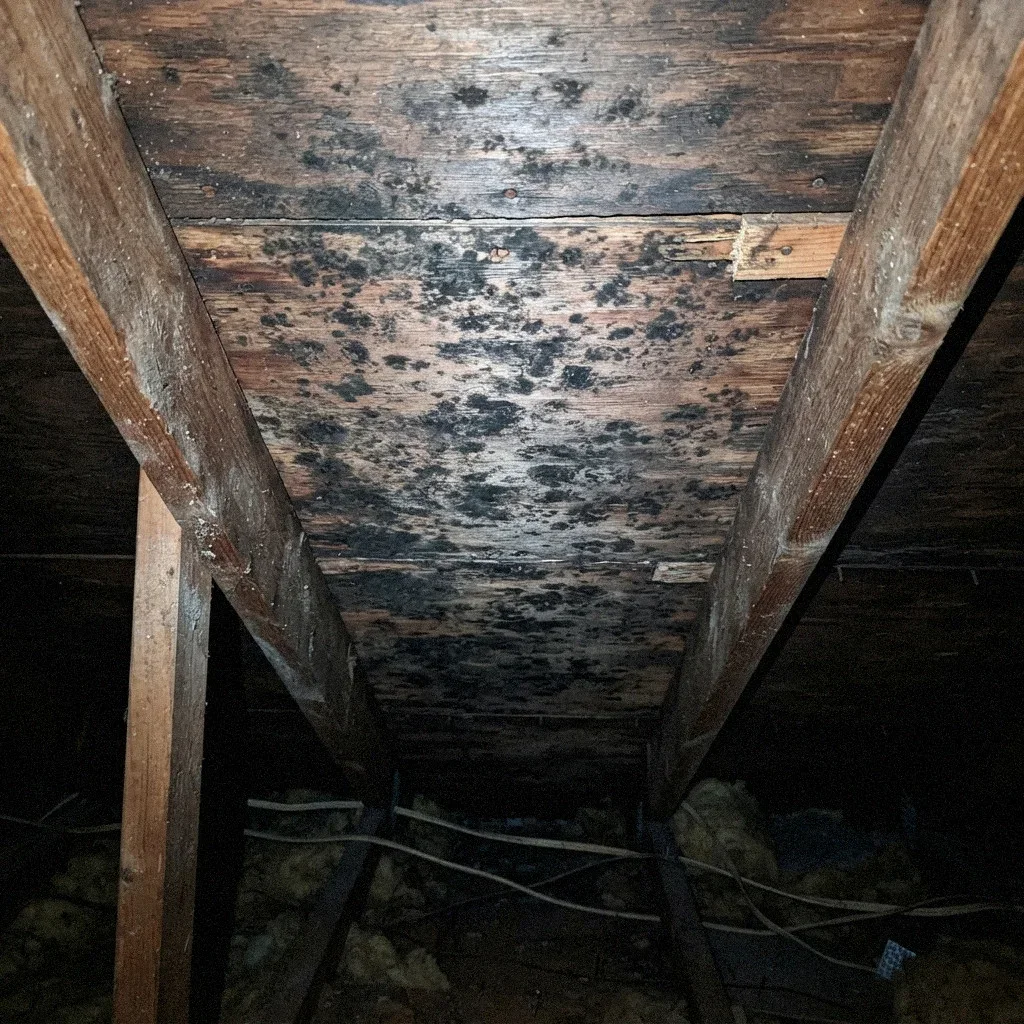
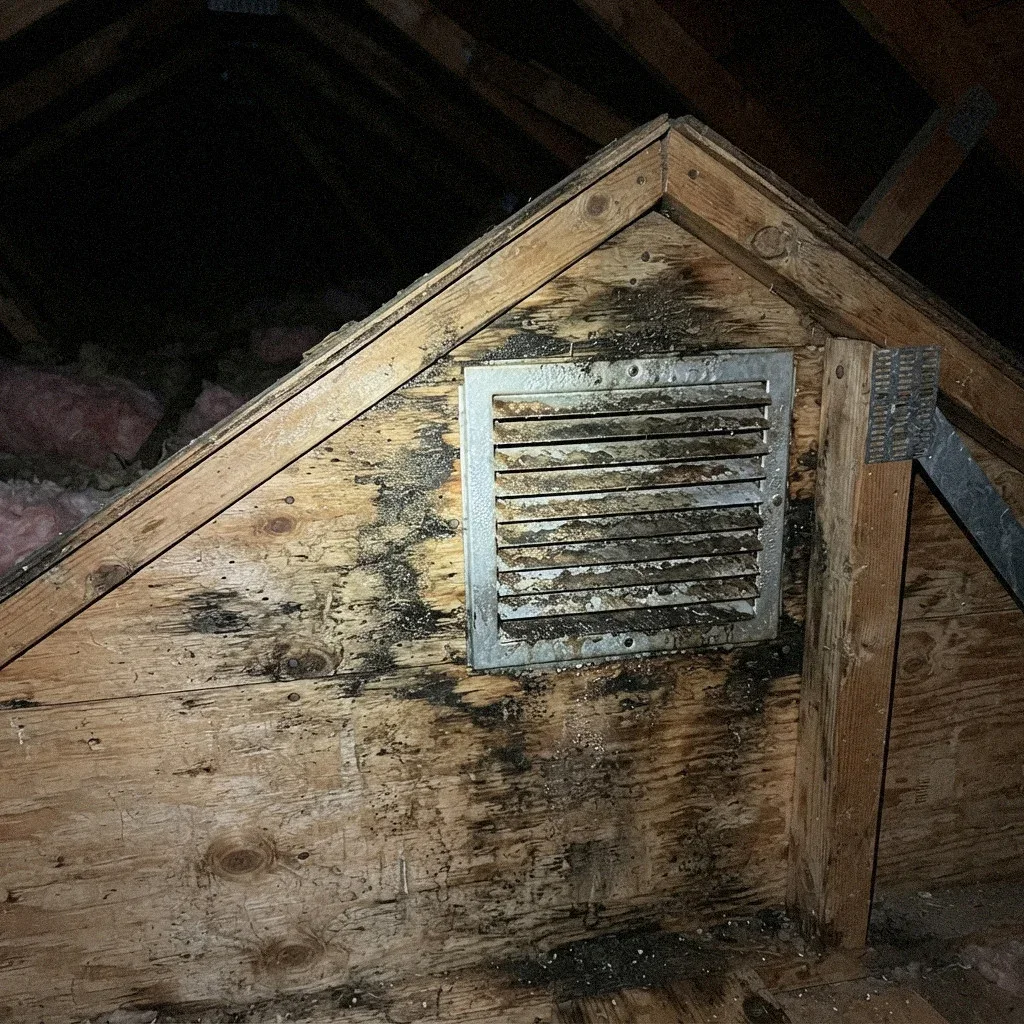
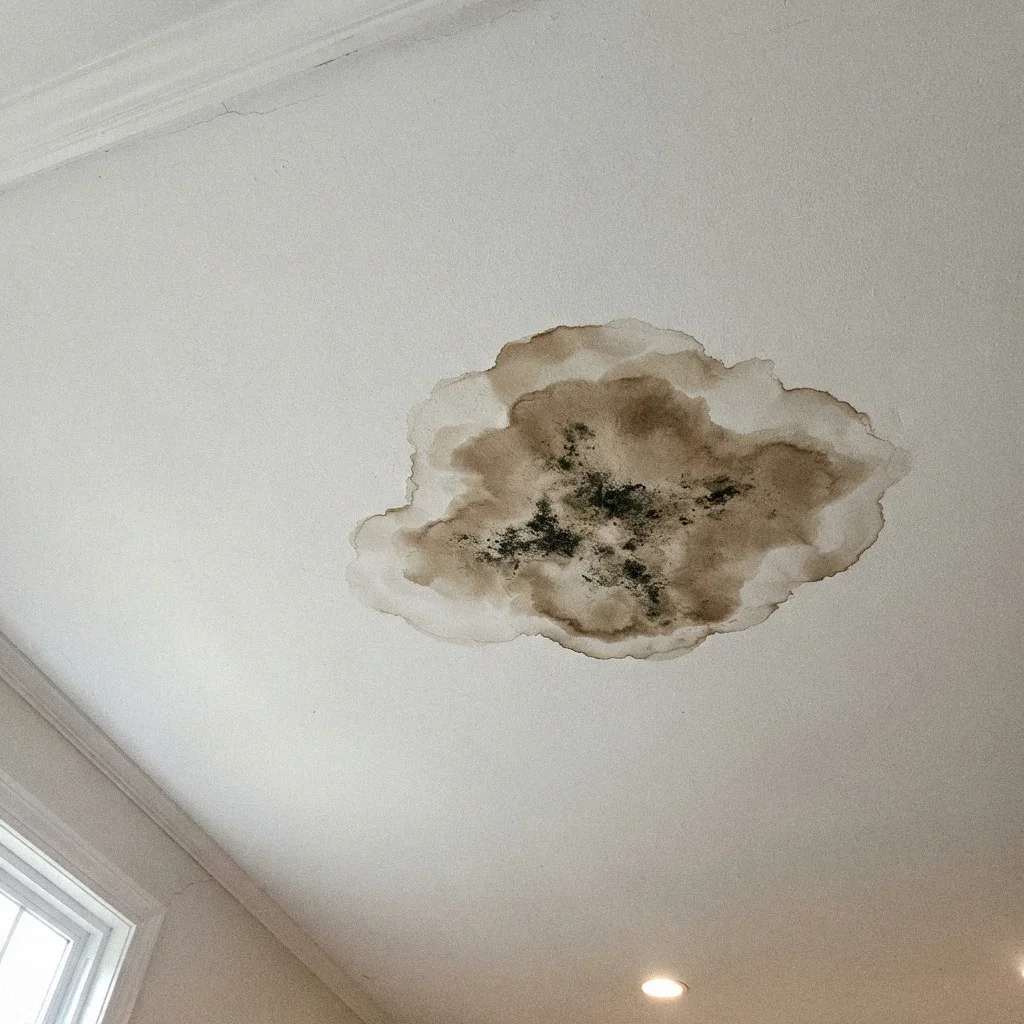
Most homeowners land here after finding a patch on drywall or in a closet and wanting a name for it. Color and texture tell you almost nothing about the organism underneath, and the lab work to actually identify it rarely changes what a contractor does next. The useful question isn't what species this is on a wall near Chollas Creek or Tecolote Creek, it's where the moisture behind it is coming from.
Moisture, Not Weather
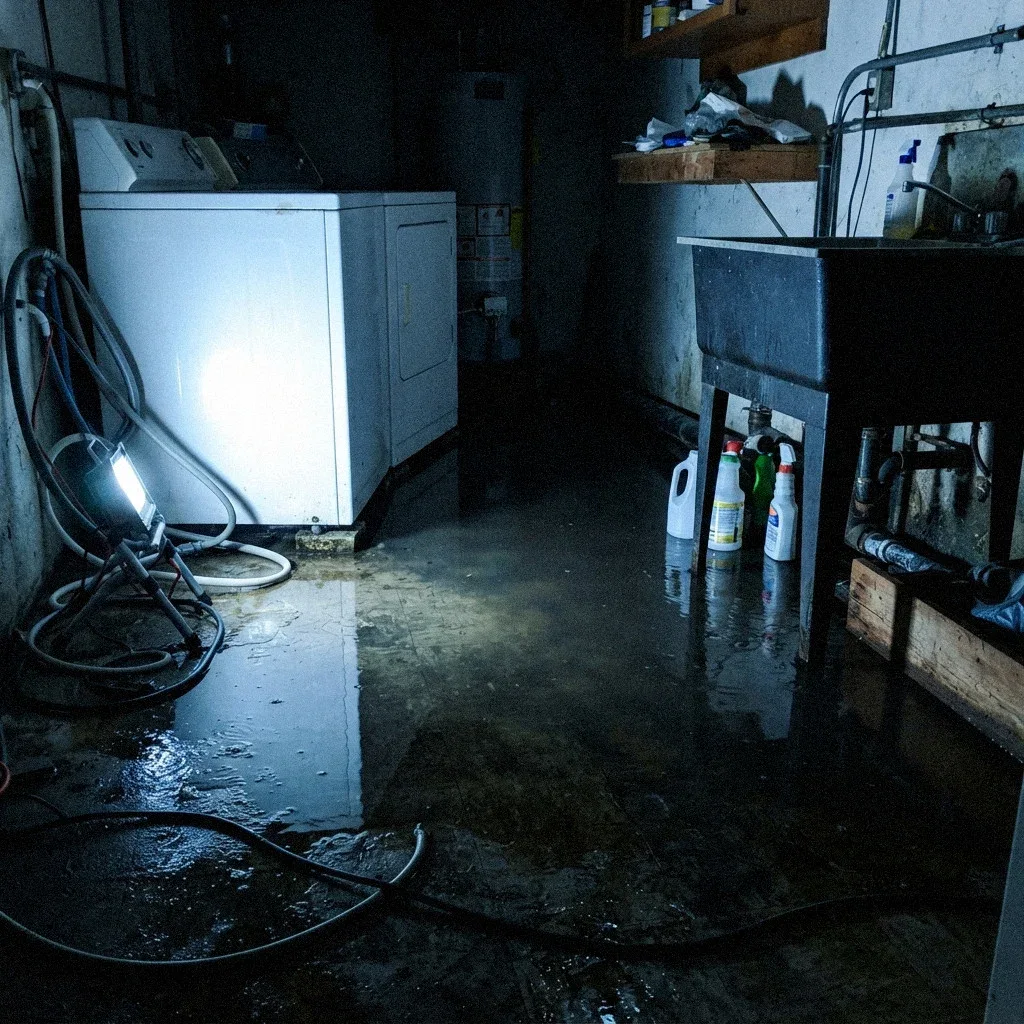
Mold in San Diego sorts by house more than by species: bungalows near Ocean Beach and North Park trap marine humidity in old walls, tract homes on the Clairemont and Serra Mesa mesas condense moisture around aging AC ducts, and crawl-space houses near Mission Valley wick it from damp soil. No rain required. Color never identifies what's growing, and no exposure limit is officially safe.
Identification rarely changes the remediation work itself. Whether a lab calls a sample one species or another, the removal, drying, and source repair look the same. San Diego's mold problem starts with humid marine air meeting a cool surface - a Kearny Mesa AC coil, a Point Loma bathroom - not with rain, so the fix is finding that moisture, not naming the mold.

Questions & Answers
Frequently Asked Questions
Is cleaning mold the same job as remediating it?
No, and the difference is the reason one costs several times the other. Cleaning is wiping a surface and treating it, which is the right answer for a small patch of surface growth on tile or paint. Remediation is a controlled job: the area is sealed and put under negative air, porous material that cannot be cleaned is removed and disposed of, and the space is tested afterwards to show it came back clean. One is an afternoon; the other is a work area with a result somebody has to sign off.
Does the wall have to come out?
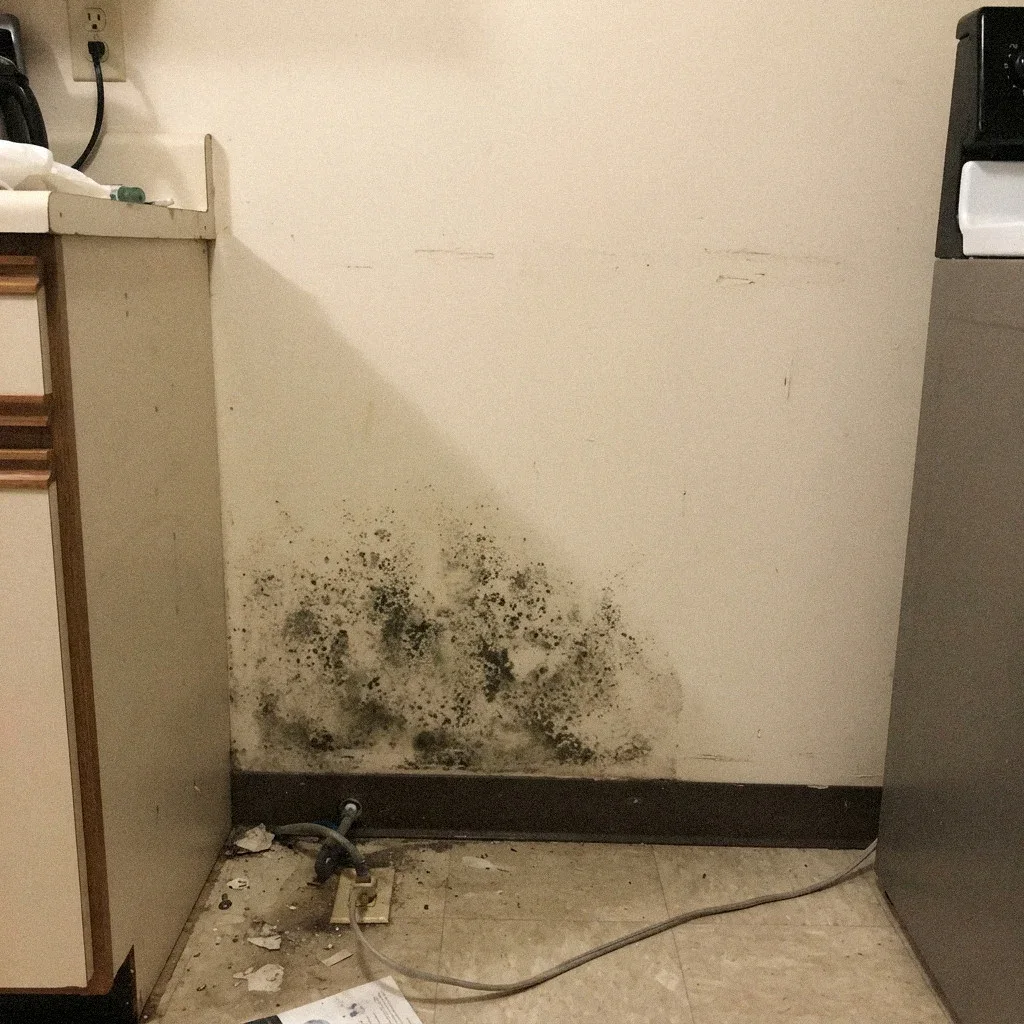
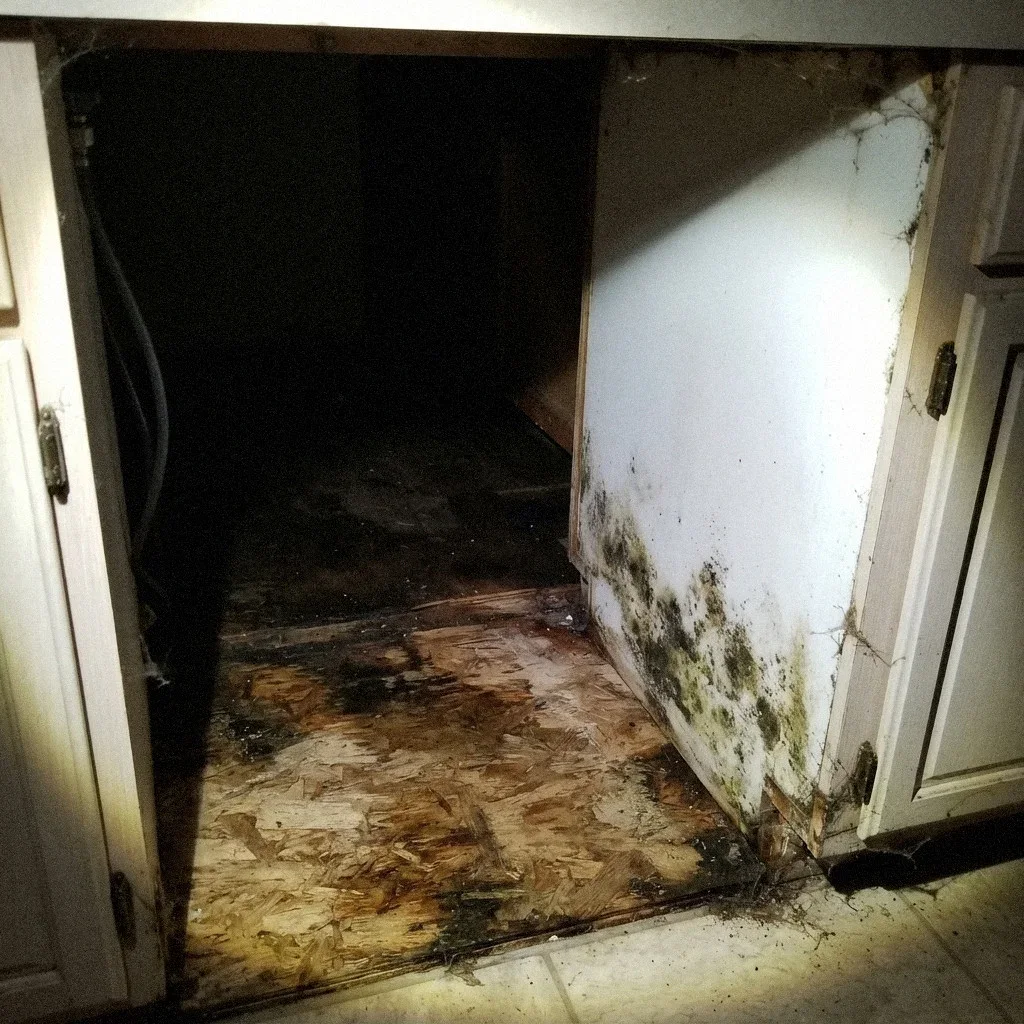
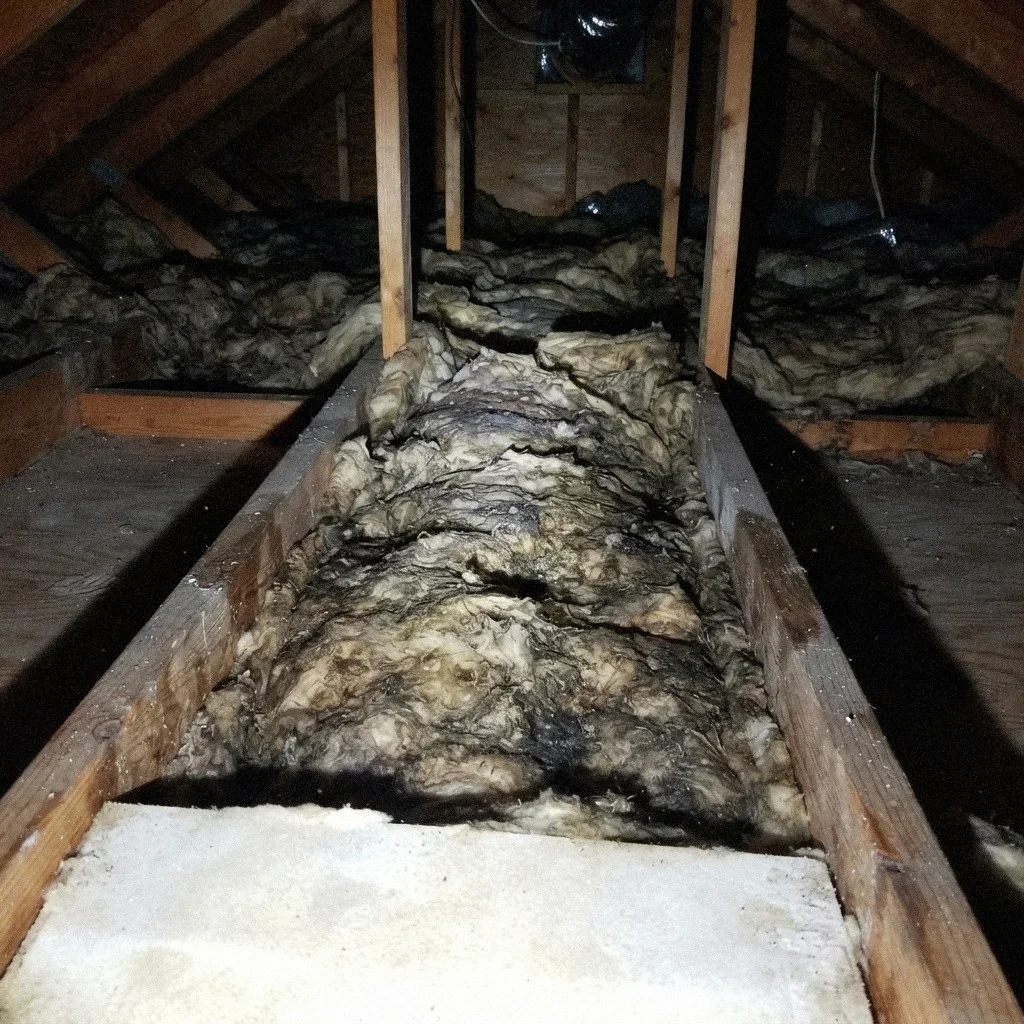
Sometimes, and it depends entirely on what the surface is made of rather than how bad it looks. Tile, sealed concrete, glass, metal and solid framing can be cleaned in place. Drywall, insulation, carpet pad, cabinet backing and ceiling tile are porous, and once growth is into them there is no cleaning that reaches the back of the material — sealing over it traps the problem in the cavity instead of solving it. A good scope says which surfaces are staying and which are coming out, before work starts.
Why does finding the source matter more than cleaning the mold?
Because the moisture is what the next growth needs. Cleaning a surface without fixing the leak, the condensation or the ventilation that fed it simply books you a repeat visit, usually to the same wall. Anyone who quotes on what is visible without asking where the water came from is quoting on half the job.
Are there times of year when this is harder?
The work happens year round, but humid months make growth faster and drying slower, so the same leak found in the warm season is a bigger job than the same leak found in the cool one. Equipment has to work against the outside air as well as the damp material, which is why summer jobs usually run a day or two longer and why sealing the work area matters more then.
Get Started Today
Wildlife brings its own moisture problem
Wildlife and mold end up in the same conversation in San Diego more often than people expect. An animal that gets into a crawl space under a Talmadge or Del Cerro house can leave droppings and dampness that feed growth long after the animal is gone. Sorting out which problem came first, and which one needs handling first, matters for cost and for safety. The licensed pros we connect you with can walk through what you're dealing with. Call Now: (619) 833-1053.
Call (619) 833-1053