The first hour after finding mold in a San Diego home is not about removing it. That is the job of the licensed pros you call in, and scrubbing before they arrive usually spreads spores rather than getting rid of them. What the first hour is for is stopping the moisture, protecting the room, and documenting what you found. Whether the patch is behind a dresser in North Park or under a Clairemont Mesa Boulevard window sill, the same short list applies before anyone else steps in.
Find the Water Source First
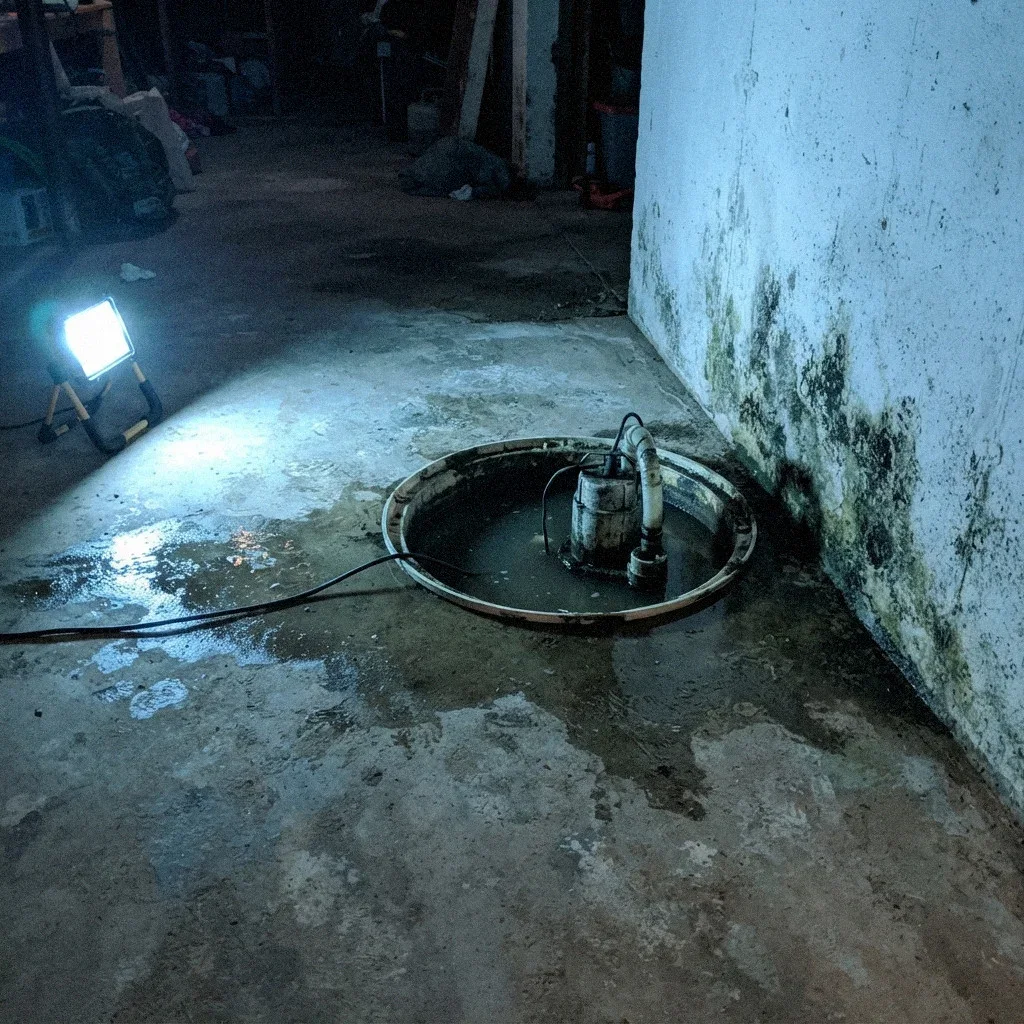
If you can find the shutoff valve without wading through standing water or reaching near outlets, close it. If the water is anywhere close to an outlet, a switch plate, or a plugged-in lamp, treat it as an electrical hazard and leave that part of the room alone until someone qualified checks it. Do not step into standing water to reach a valve. Stopping the source matters more than mopping right now, and it is the one step that changes what happens for the next hour.
Shut Off the Water
If the mold is tied to an active leak, find the shutoff valve for that fixture and close it. Most sinks and toilets have one at the wall behind them; a water heater or washing machine has its own. If you cannot isolate the source and water is still moving, shut off the main valve for the house. Leaving a slow drip running for another hour, while you decide what to do, is how a small patch in a Bay Park hallway becomes a much larger one.
Cut Power Near Wet Areas
Standing water near an outlet, a light fixture, or a window unit is an electrical hazard, not just a moisture problem. If water has reached an outlet or an appliance, switch off the breaker for that circuit rather than reaching for the cord. If you are unsure which breaker covers the wet area, or the panel itself sits somewhere damp, wait for a first responder or an electrician rather than guessing at the panel in the dark.
Leave the Growth Alone
Keep the room shut and the air still rather than opening windows or running a fan, since moving air can carry spores into hallways and bedrooms that were clean. Skip the ventilation instinct this once. Move wet items and anything with fabric or cardboard contact off the floor, lifting furniture onto foil under the furniture legs if you can't move it out entirely. Photograph the room now, before anything is touched or thrown out, for your own photo record.
Keep the Door Shut
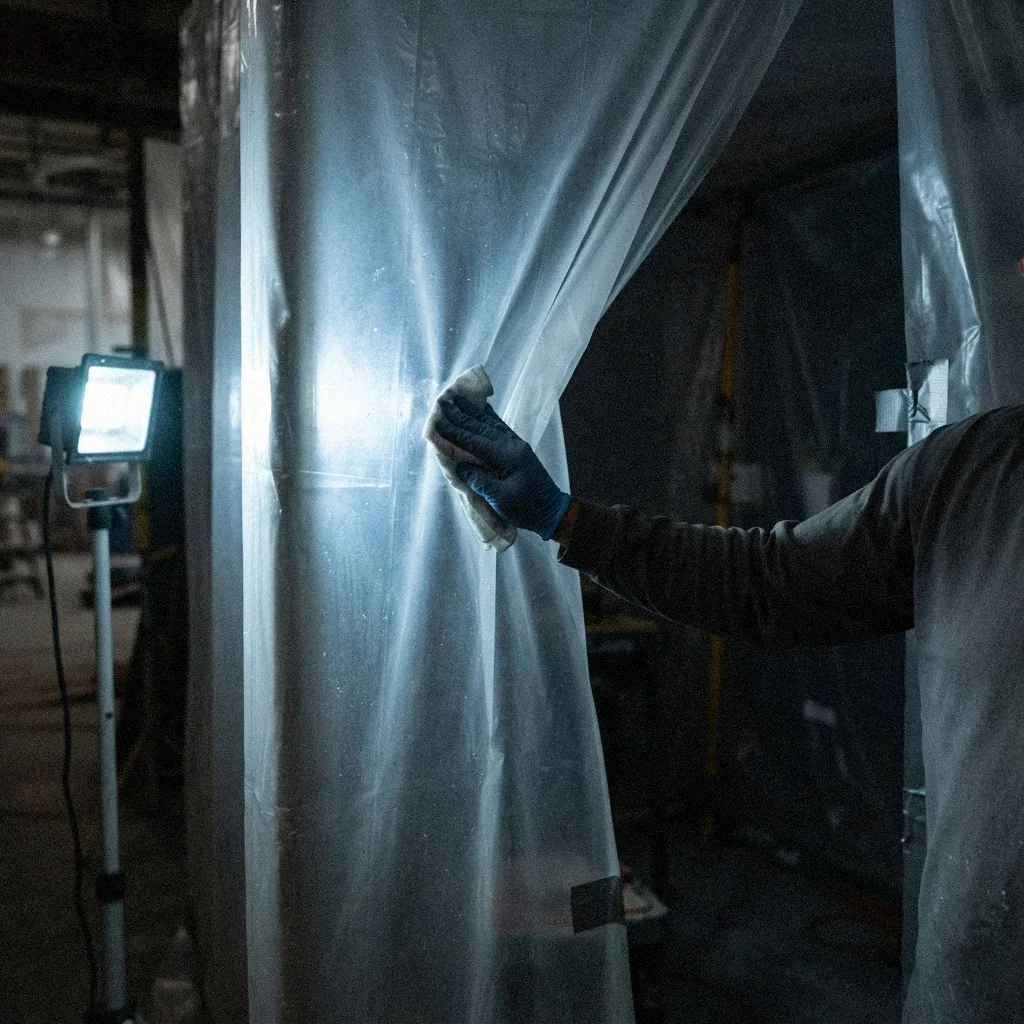
Closing off the affected room limits how far spores travel through the rest of the house while you wait. Skip the instinct to open windows for ventilation in that specific room; fresh air is good for the house generally but stirring the room itself before assessment just moves the problem. If the home has central air, closing the vent to that room, if it has its own damper, keeps the system from carrying spores through the ductwork to a bedroom in University Heights.
Photograph Everything You See
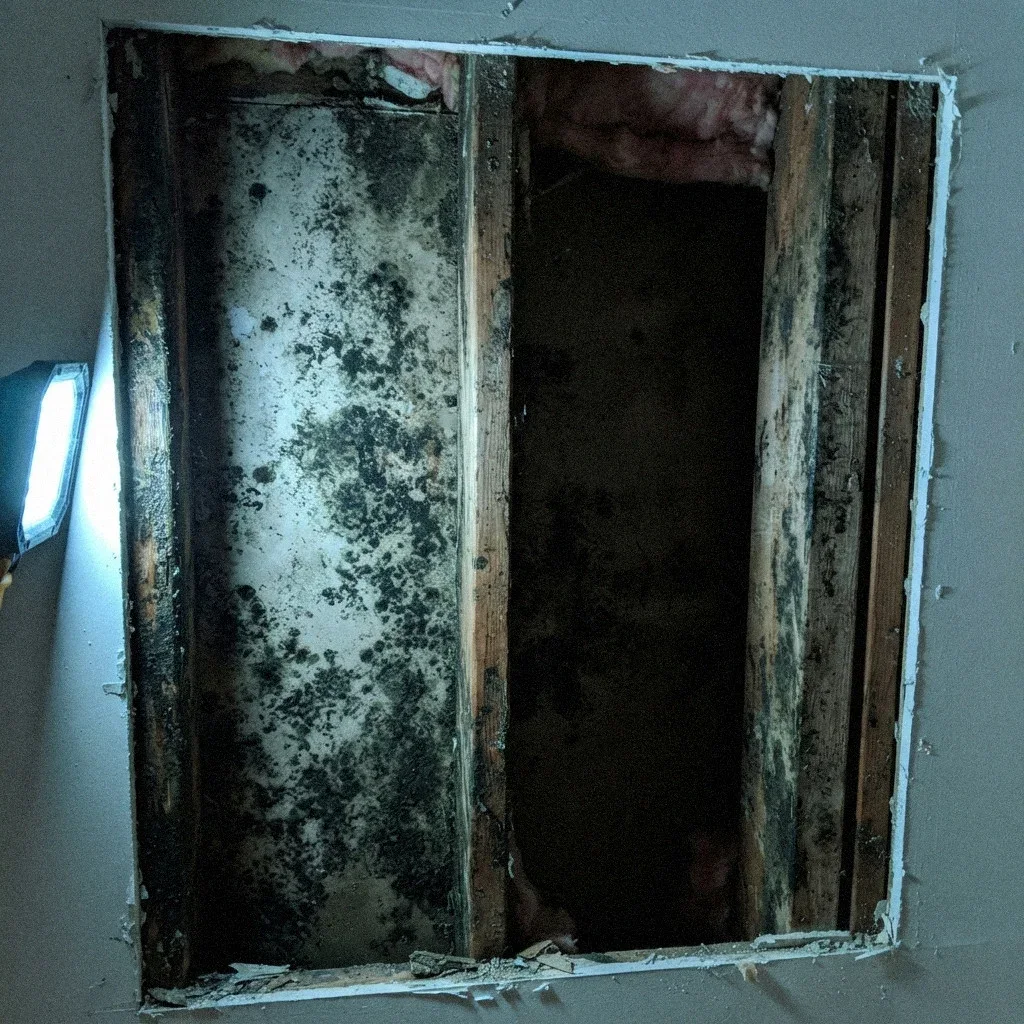
Before anything is moved or cleaned, build a photo record. Shoot the affected wall, ceiling, or floor from a few angles, get close-up shots of the texture and color, and photograph any wet items or standing water nearby. Include something for scale, like a hand or a ruler. This record is useful for whoever assesses the job and, separately, for any conversation with an insurer about what existed before remediation started in a Point Loma or Ocean Beach property.
Move Wet Items Out
Wet items sitting in the affected room, rugs, cardboard boxes, stacks of paper, upholstered furniture, keep the area damp and give mold something new to colonize. If you can move them without disturbing any visible growth, carry them to a dry, ventilated space elsewhere in the house or outside. Furniture legs sitting in a puddle should be lifted onto something dry, blocks of wood or aluminum foil work, so the moisture is not wicking upward the whole time you wait.
Keep People and Pets Out
Close the room to household members who do not need to be in it, and that includes pets. Nobody needs a specific health condition to justify staying out; it is simply the room being worked on. Children, older residents, and anyone with a respiratory condition are the first people to keep clear, whether the room is a converted garage in Chula Vista or a bedroom closet in La Mesa with a musty smell nobody could place until now.
Skip the DIY Chemicals
Resist buying a mold-killing spray or a jug of bleach before help arrives. These products treat surface color, not the growth itself, and using them now can mask what a professional needs to see and measure. Put the money and the hour toward the steps above instead: stopping water, cutting power to wet circuits, and building a photo record. That preparation does more for the outcome than any bottle from a hardware store on Convoy Street.
Gather Basic Safety Gear
If you must be near the affected room, for a photo or to move a wet item, basic safety gear helps: disposable gloves, a snug mask if you have one, and shoes you can leave outside afterward. This is not about suiting up like the remediation crew who arrives later. It is about not carrying spores on your hands and socks through the rest of a Rancho Bernardo or Mira Mesa house while you wait for someone qualified to take over.
What Happens Next
Once the water is off, the room is shut, and the photos are taken, the first hour is essentially done. The actual assessment and removal process, what a licensed professional checks, how containment works, and what happens to affected materials, is a longer subject on its own. For that, the mold remediation guide covers the full process step by step rather than repeating it here in shorthand.
Dealing with this in your home?
Mold in San Diego rarely starts with a storm. Marine air off the coast meets a cool interior surface, or an air conditioner drips quietly behind drywall, and growth begins without a drop of rain. A 1950s tract house near Clairemont Mesa Boulevard and a Craftsman near South Park fail the same way: moisture first, staining second. Bleach handles the color. It does not handle the source.