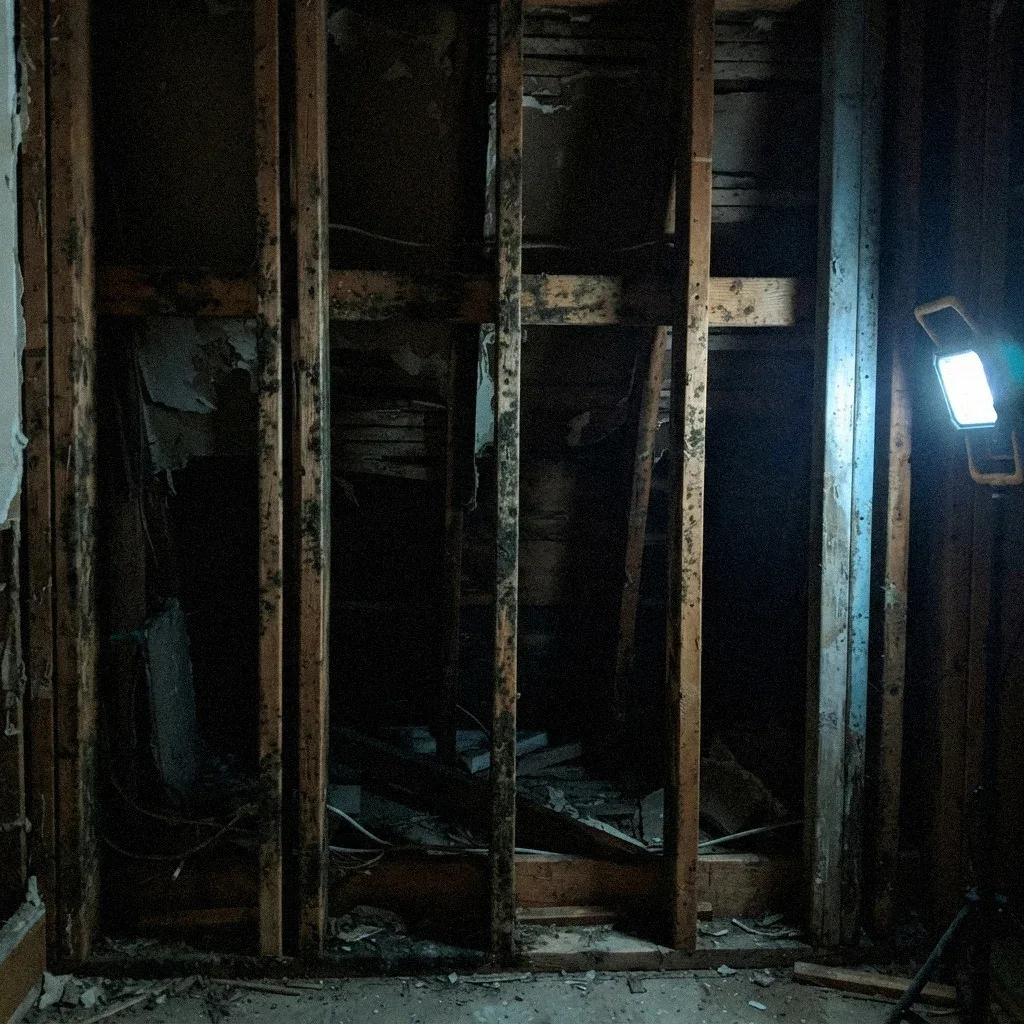
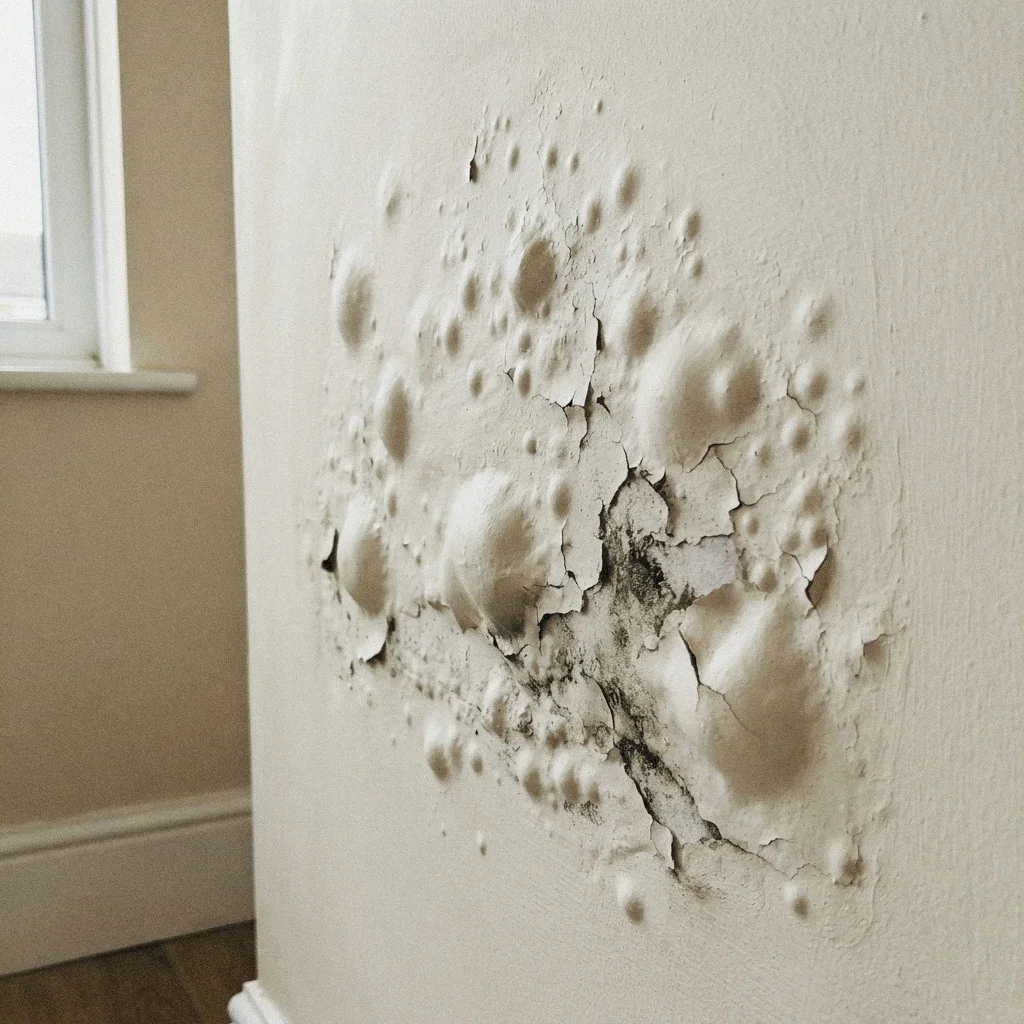
Mold vs. Mildew in San Diego Homes
Mold and mildew get used almost interchangeably in San Diego, and the line between them is looser than the words suggest. Here is why the distinction rarely changes what a homeowner should actually do.
Read article
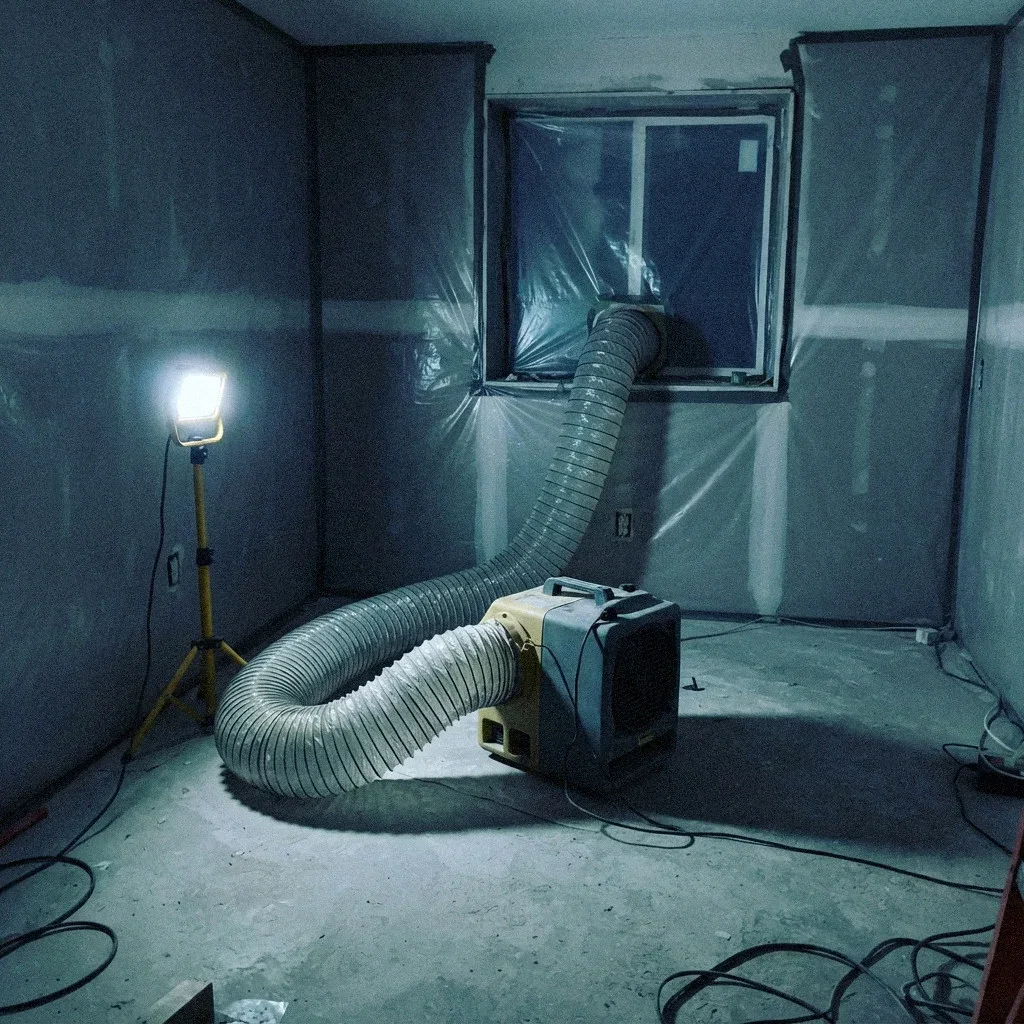
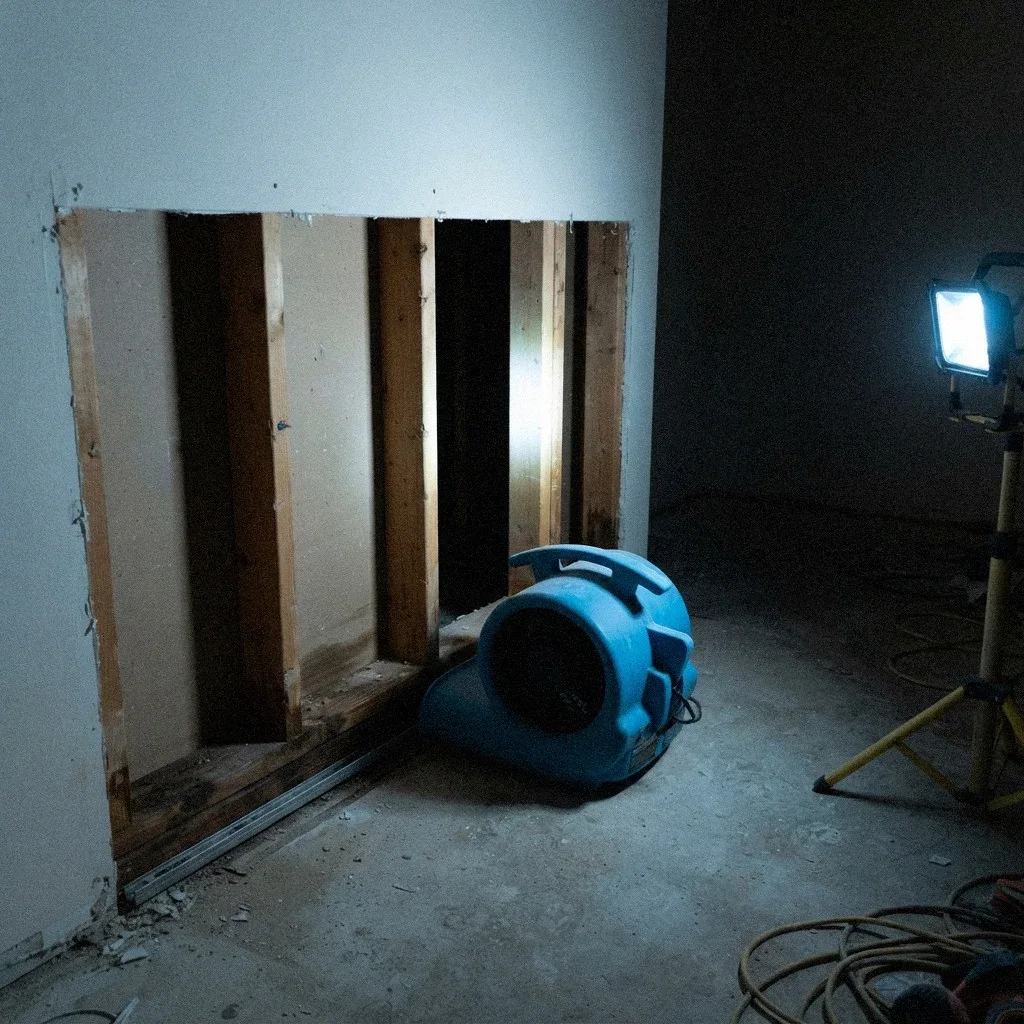
Antimicrobial sealing for cleaned framing and masonry, never a cover for growth left behind.
Mold encapsulation San Diego, CA homeowners can book is the last step that seals cleaned wood and masonry after the mold is gone. It is not a shortcut for drywall that should have come out.
The licensed pros we connect you with check moisture content on the wood before any coating goes on, because sealing damp framing traps water against the fiber. Call now to get matched with a local licensed pro.
Sealing fits studs, sheathing or masonry that cleaned up sound. Once the growth is physically removed, the coating helps keep that wood protected.
A single-glazed aluminum window that runs with condensation on cool mornings is common in older University Heights and Normal Heights homes. Fix the condensation first, or coating the sill framing only delays the next round of growth.
Masonry and concrete at a slab edge or crawl space vent can be sealed after cleaning, especially in older Talmadge or San Carlos homes with limited ventilation. These areas stay humid from marine air, not rain, so even a dry summer can bring growth back.
Drywall that has been wet since a slow leak should come out, not get coated. Sealing over it just traps the growth under a new surface.
The pro assesses the area to confirm which framing, sheathing or masonry is salvageable and which material has to come out.
Growth is physically removed, not just discolored, and moisture content is checked on the wood before anything goes on.
A wash treats anything left in the pores of the wood or masonry before the sealant stage begins.
A clear or pigmented encapsulant is brushed or sprayed onto the dry, cleaned surface, locking remaining spores away from air and future moisture.
Framing behind stucco in older San Diego houses can look clean after drying and still carry surface spores deep in the grain. Sealing that wood after real cleaning locks in the work, while sealing instead of cleaning just hides the problem.
IICRC S520 treats coatings as a finishing step after source removal and drying, not a substitute for either. It is voluntary, so ask any contractor which parts they follow and which they skip.
California does not sort mold work into its own license class, so ask which classification a contractor holds and what training backs their mold work. A written scope should say which surfaces get encapsulated, which get replaced, and why, before any coating goes on.
Most encapsulation & antimicrobial sealing jobs in San Diego fall inside these ranges. The inspection costs nothing and the exact figure is written down before any work starts.
| What It Covers | Where To Start | What It Skips |
|---|---|---|
| Bleach whitens the patch you scrubbed and leaves the rest of the colony rooted in the material underneath. A remediation crew removes what is holding the growth, not just the shade of it. If the moisture feeding it stays, whatever painted over the stain returns within a season, in Del Cerro or anywhere else in the county. | Moisture check, containment, and surface cleanup | an estimated $510–$2730 |
| A can of mold-killing spray treats one visible patch on one visit. It says nothing about the leak, the condensation point, or the airflow gap that grew that patch in the first place. Spray it again next month and the same stain reappears, because the surface was never the actual problem to begin with. | Limited wall opening with moisture-source tracing | an estimated $600–$3900 |
| Cleaning products are rated for hard, nonporous surfaces like tile and glass. Drywall, wood trim, and insulation absorb moisture and hold growth below the surface, where a wipe or spray cannot reach. Porous material with real growth in it usually gets removed and replaced, not scrubbed and resealed. | Longer drying and repeated moisture checks | an estimated $900–$6240 |
| Store-bought treatments are built to satisfy a one-time visible complaint, not to diagnose why a surface stayed damp long enough to grow something. Without finding and closing off the moisture source, any cleaning is temporary. The stain returns because the same conditions that made it are still sitting behind the wall. | Whole-home or major hidden-growth project | an estimated $1440–$10400 |
Ask what caused the damp before asking what the cleanup costs, because a number without that answer is a guess wearing a decimal point. The licensed pros we connect you with should be able to point to the water before they point to a price, and a homeowner is owed that order.
No. Encapsulation is the last step after cleaning, not a substitute for it. The licensed pros we connect you with remove the growth and any material that cannot be salvaged first, following the IICRC S520 standard.
No. Drywall with live growth through it should come out, not be sealed. Coating porous, colonized drywall just traps the growth under a new surface, so sealing belongs on solid material like exposed studs, sheathing or masonry after cleaning.
It inhibits new growth on the treated surface. It does not hide discoloration, and it does not fix the moisture source. If a window keeps running with condensation or a roof-to-wall junction keeps leaking, sealed framing will grow mold again once it stays wet.
No. Sealed framing resists new growth but is not immune to it. If the same window keeps condensing or the same condensate line keeps backing up, the surface will eventually be wet again no matter what was applied.
Not as its own category, since California has no mold-specific contractor license. The work falls under whatever general or specialty classification the contractor already holds, so ask which one covers your job.
Encapsulation & antimicrobial sealing in this area typically falls between an estimated $600–$2600 per treatment. The free inspection is what turns that range into an exact number, and you see it in writing first. We deliberately price a little below the local average.
Bleach lightens what you can see on the surface but does nothing to the moisture feeding it underneath, so the stain is often back within weeks. Lasting repair means finding where the water or humidity is entering first, then addressing the growth itself, in that order and not the reverse.

Mold and mildew get used almost interchangeably in San Diego, and the line between them is looser than the words suggest. Here is why the distinction rarely changes what a homeowner should actually do.
Read article
Containment and negative air are the line item cheap quotes skip. Here is what that plastic sheeting and fan are actually doing, and why leaving them out is not a discount.
Read article
Moldy drywall is not cleaned, it is removed. Here is how far past the visible stain the cut runs, why it leaves the house bagged, and what that means for insulation behind it.
Read articleThis is one piece of a larger job, and it rarely stands alone. A leak that stains a ceiling in Kensington or a condensation line in a Pacific Beach bathroom usually needs both the moisture stopped and the growth removed, in that order. The licensed pros we connect you with in San Diego can tell you on the call whether this service covers what you're dealing with or whether the source needs attention first. Call Now: (619) 833-1053 and describe what you're looking at.
Call (619) 833-1053