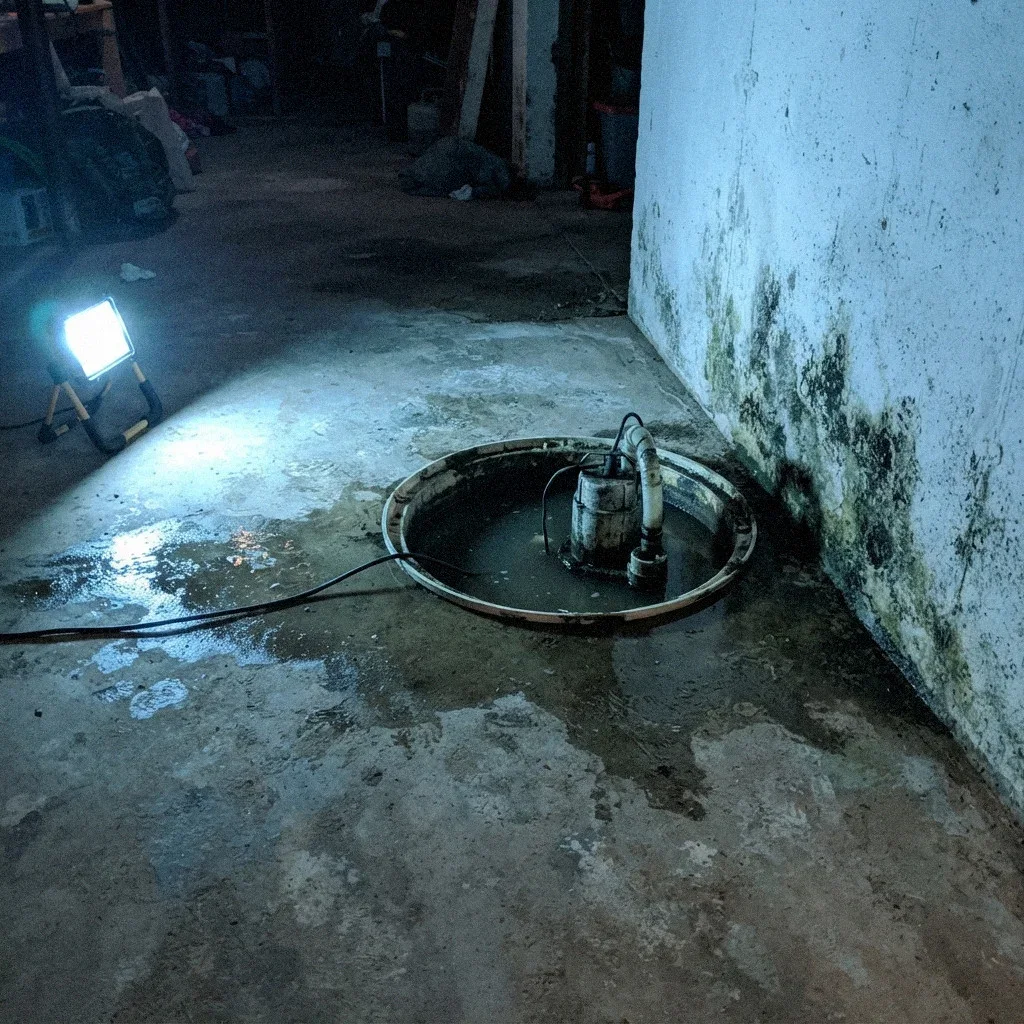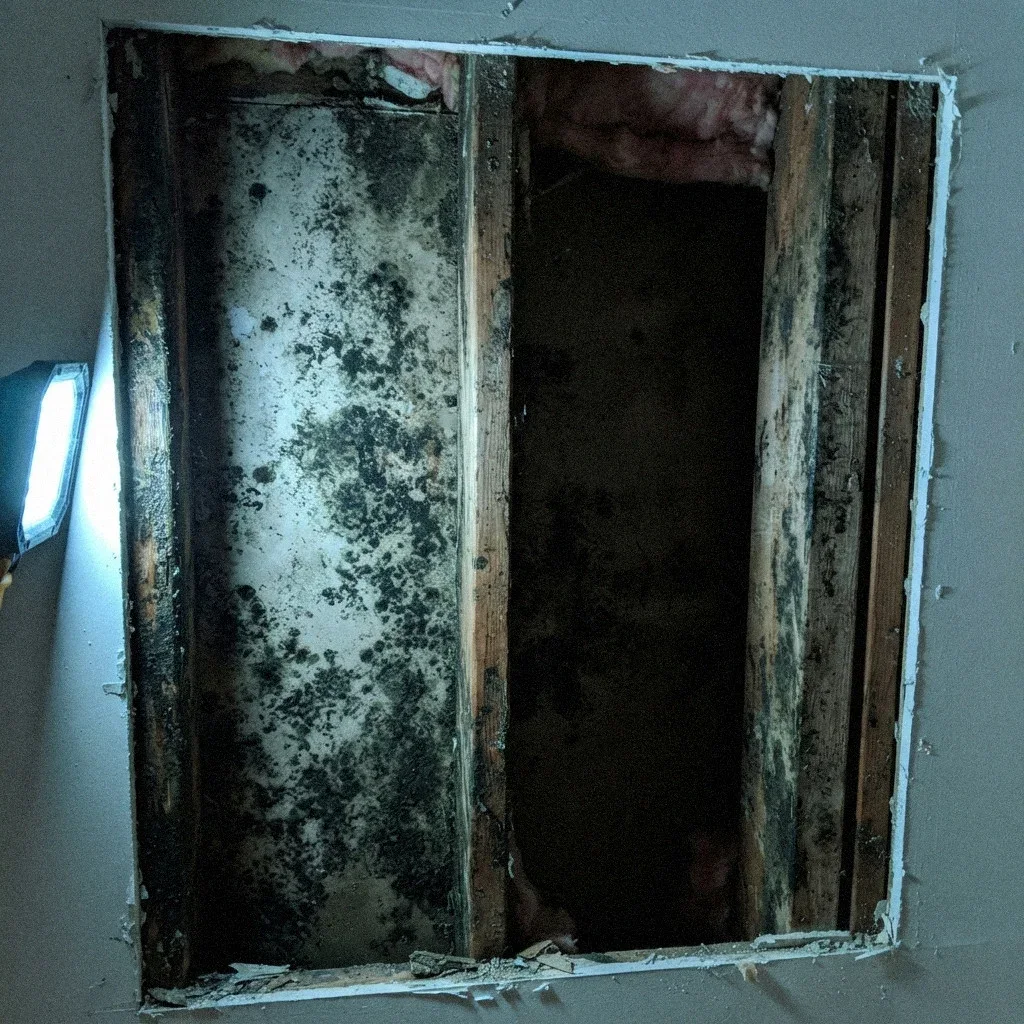
Somebody with a clipboard and a moisture meter is going to look at the water stain in your Clairemont bathroom or the smell coming from a Linda Vista crawl space, and write down a number. Who they work for changes what that number tends to look like. This is not a claims-process piece; it is about the person doing the looking, and where their loyalty sits before they ever walk in.
The Insurer's Own Adjuster
A staff adjuster is a direct employee of the insurance company. An independent adjuster is a contractor the insurer hires for the same job, often during high volume periods, but still paid by and answering to the carrier. Either way, the claims examiner reviewing the file afterward also works for the company writing the check. That is not automatically bad faith. It is a structural fact worth knowing before the visit.
What A Public Adjuster Is
A public adjuster is licensed, but works for the homeowner, not the carrier. They inspect the same water intrusion behind a North Park stucco wall or a Pacific Beach window, write their own estimate, and negotiate the settlement on the policyholder's behalf. They are a policyholder advocate by definition, not by disposition, and that is the entire distinction from the adjuster the insurance company already sent.
The Conflict Nobody States Out Loud
Neither adjuster is lying to your face. The insurer's adjuster has a fiduciary duty to the carrier's finances, not to you, and that shapes how a gray area gets read: whether a stain in a University Heights closet is three days old or three months, whether drywall gets replaced or just dried. A public adjuster's incentive runs the other way. Knowing both lets you read either estimate correctly.
How The Fee Actually Works
Public adjusters generally work on a contingency fee, a percentage of whatever the claim settles for, rather than an hourly rate. No settlement, no fee, which is why they take on smaller claims cautiously. Ask for the percentage in writing before signing anything. This page will not put a number on it, because it varies by adjuster and by claim, and a wrong number here is worse than none.
When The Fee Tends To Pay Off
A public adjuster earns their percentage most clearly when the claim is large, the damage is hidden behind a wall or under a Serra Mesa slab floor, or the insurer's first offer feels low against what remediation is actually going to cost. On a small, visible patch of mold in a Talmadge bathroom with an obvious source, the fee may cost more than it recovers. Scale is the deciding factor, not distrust.
When It Is Probably Not Worth It
If the staff adjuster's estimate already matches what a licensed remediation contractor is quoting for a Kensington or College Area job, hiring a second party to renegotiate a number that was never in dispute mostly just splits the settlement three ways. A public adjuster is a tool for a contested or complicated claim, not a default step for every claim that involves the word mold.
Reading An Estimate Discrepancy
When the insurer's number and a contractor's quote for a Golden Hill or City Heights property do not match, the gap is usually not fraud on either side. It often comes from different assumptions about how much drywall or subfloor has to come out versus be cleaned, which is a moisture and material question, not a coverage question. A public adjuster's job is to argue that gap using the same kind of evidence, not just a different opinion.
Licensing And What It Does Not Cover
A staff adjuster works for the insurance company and gets paid regardless of the settlement figure. A public adjuster works for the policyholder and takes a contingency fee out of the payout, which is why the fee only makes sense when the estimate discrepancy between the insurer's number and the repair cost is large. On a mold claim, where the cause of moisture is often argued over, that conflict of interest is worth understanding before you sign anything or accept the first number offered.
What A Fair Settlement Depends On
A mold claim in a Rancho Bernardo or Mira Mesa house settles fairly when the documentation supports what the water actually did, not just what is visible from the doorway. That means moisture readings, photos of the source, and a scope that accounts for material behind the wall. Whether that documentation comes from the insurer's adjuster or your own does not change what the water actually damaged.
Negotiation Is The Whole Job
Once both sides have an estimate, what happens next is negotiation, and that is the specific skill a public adjuster sells. They know which line items carriers routinely lowball and which language in a policy gets a sublimit applied. A homeowner in Otay Mesa or Paradise Hills negotiating alone is negotiating against someone who does this daily; that gap is the real argument for hiring one on a large claim.
Where To Go From Here
This page is about the two people who might inspect the damage, not the steps of the claim itself. The full mold insurance claim guide covers documentation, notice, and what a policy typically does and does not pay for. Read that before deciding whether a public adjuster's fee makes sense for a specific San Diego property and a specific number on a specific estimate.
Dealing with this in your home?
Mold in San Diego rarely starts with a storm. Marine air off the coast meets a cool interior surface, or an air conditioner drips quietly behind drywall, and growth begins without a drop of rain. A 1950s tract house near Clairemont Mesa Boulevard and a Craftsman near South Park fail the same way: moisture first, staining second. Bleach handles the color. It does not handle the source.