Now taking calls — fast callback for urgent mold problems · (619) 833-1053
Musty Odor Removal in San Diego, CA
San Diego, CA

When the Musty Smell Means Something in San Diego, CA

The smell means find the water first, not mask it.

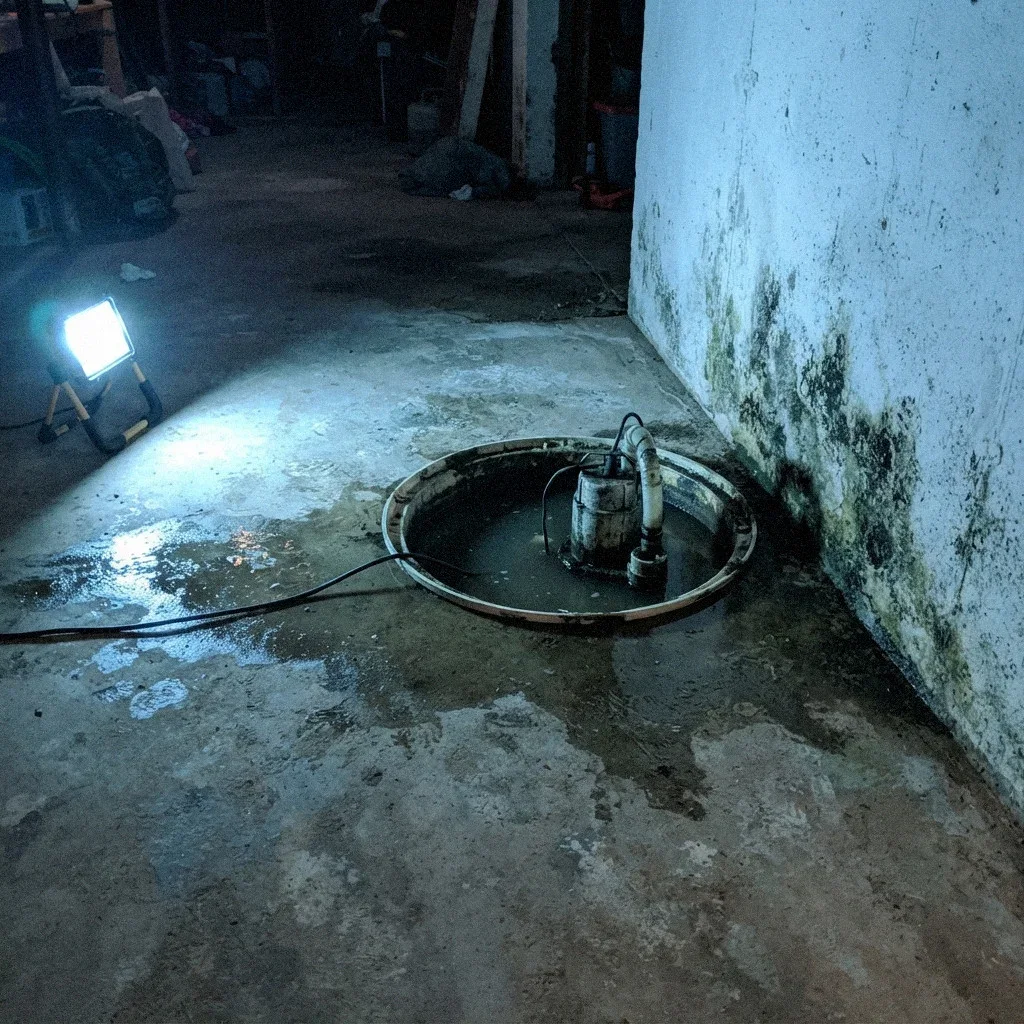
A musty smell in a San Diego house usually shows up before any stain does. Somebody in a 1950s place near Chollas Creek or a raised-floor bungalow off El Cajon Boulevard notices it first in a closed bedroom or under the kitchen sink, and assumes an air freshener or an open window will handle it. It rarely does, because the smell is not the problem. It is what growth smells like once it has enough moisture to work with.

Musty odor removal starts with finding where the growth is, not spraying the room it is in. A pro traces the smell to its strongest point first, then checks the usual spots for this city: a crawl space under a Golden Hill or North Park house, an AC condensate pan, stucco below a window near Mission Valley's damp air. Only once that source is out does deodorizing do real work instead of covering a problem that is still growing.

Across San Diego County, whether you're in North Park, South Park, Golden Hill, or elsewhere around San Diego, musty odor removal is worth arranging with somebody who works on this housing stock rather than a generic plan. Foundation type, soil and building age all change what has to happen first.

This is most often a home job — residential mold removal sets out what that involves, or see commercial mold removal if the property is a business or a rental.

Warning Signs

Signs You May Need Musty Odor Removal

The Smell Arrives First

A musty odor that is strongest in a closet, under a sink, or near an exterior wall usually points to a specific damp spot rather than a whole-house problem. In San Diego, that spot is often where stucco has held water against sheathing near a window, or where a low-slope roof has ponded and let a slow leak track along a ceiling joist before any stain reaches paint.

Where the Odor Actually Starts

A smell that fades within an hour points to something surface-level, like a damp towel left in a hamper near Balboa Avenue. One that returns every evening, especially where a wall backs onto a bathroom or a laundry closet, usually means the source is still active behind the drywall. Pay attention to whether it thickens after the AC runs or after a Mission Valley marine layer rolls in overnight, since both point to moisture rather than a one-time spill.

What Deodorizing Cannot Fix

Stucco walls near Talmadge or Golden Hill can trap moisture behind the surface for months after a flashing failure at a window or roofline, with no stain to show for it. The smell reaches the room long before a visible patch does, because air moves through wall cavities faster than moisture works its way to a paintable surface anyone can see.

How It Works

Our Musty Odor Removal Process

Musty Odor Inspection in San Diego, CA

The licensed pros we connect you with start by tracing the odor to its source rather than treating the air first, checking condensate lines, window flashing, and any area where a porous surface has stayed damp.

Source Location Service in San Diego, CA

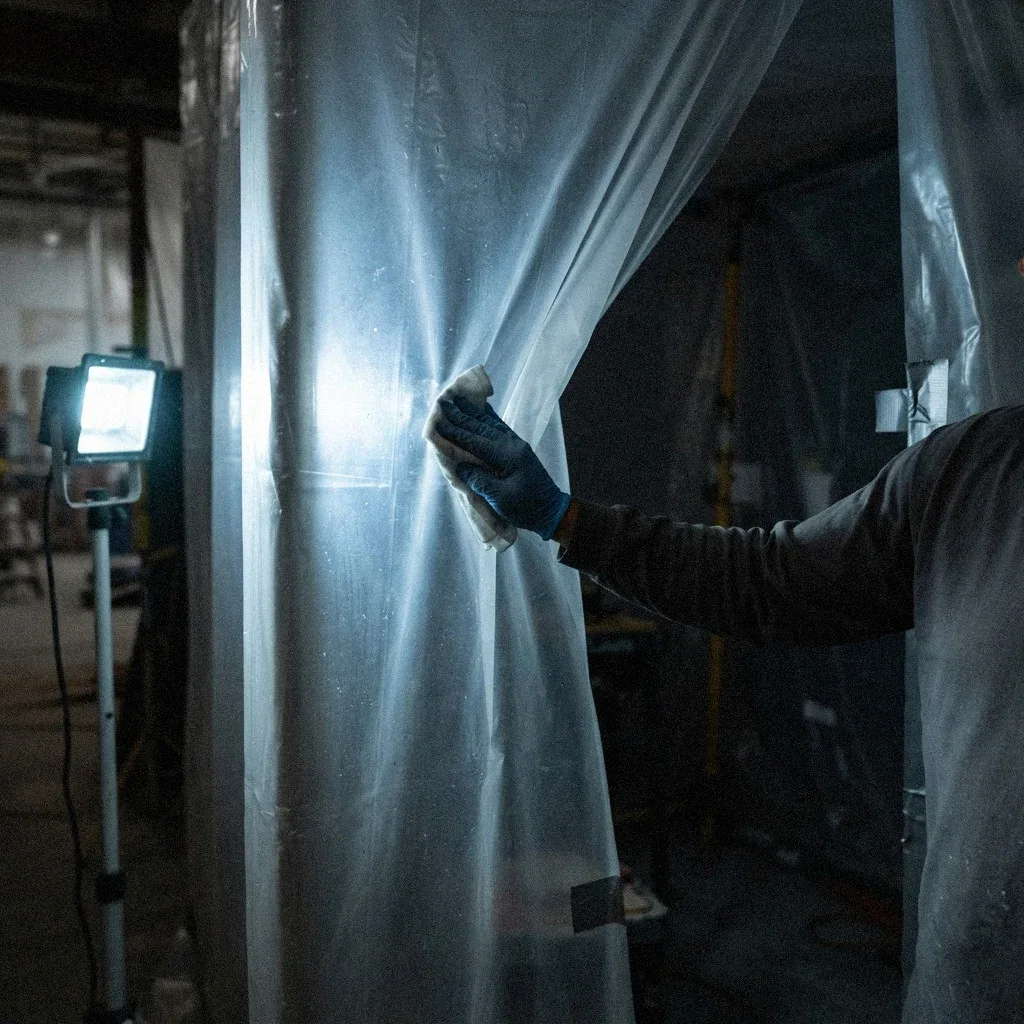
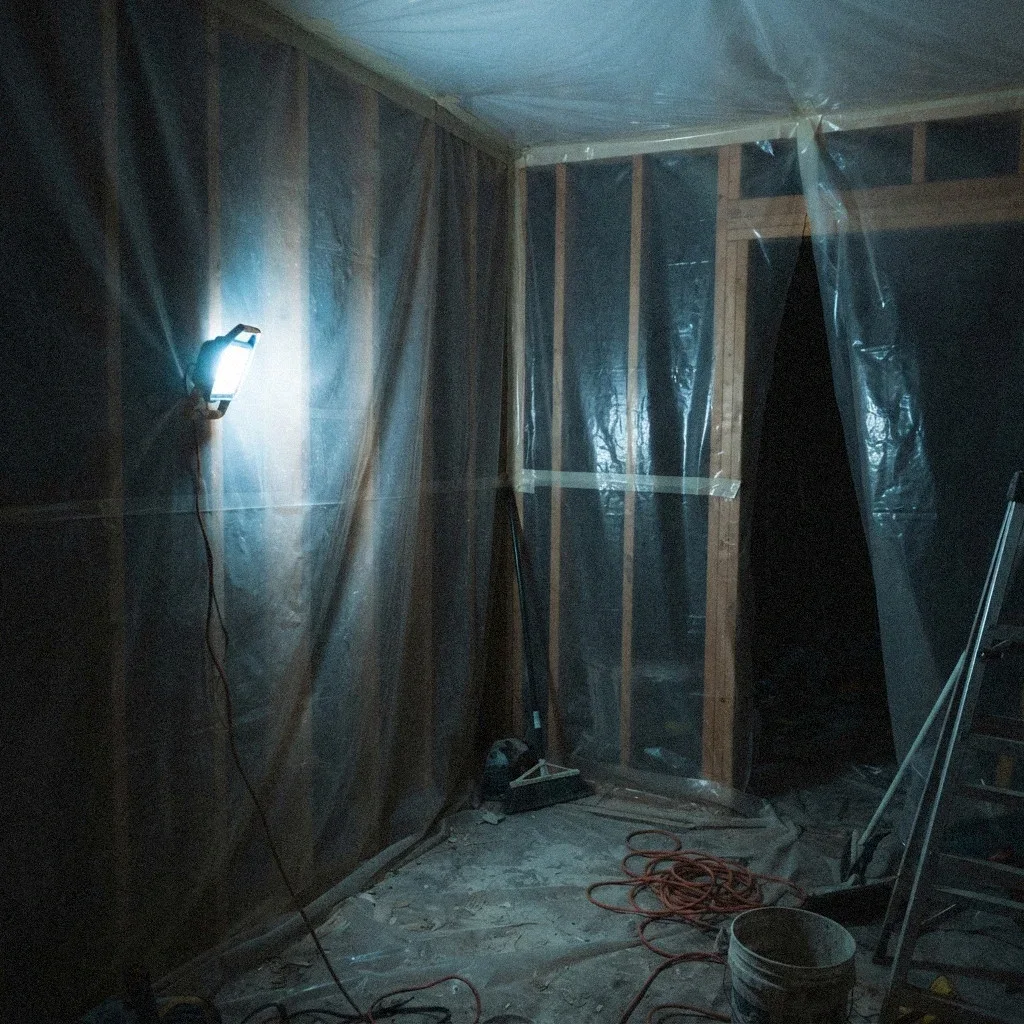
Once the wet material is identified, it gets addressed directly: dried, removed, or treated, following IICRC S520 guidance for containment and safe handling depending on scope.

Antimicrobial Treatment in San Diego, CA

An antimicrobial treatment is applied to affected surfaces where appropriate, targeting the odor-causing bacteria and mold left on the material rather than just the smell hanging in the room.

Final Odor Check in San Diego, CA

A deodorizing agent addresses any residual odor in the space once the source is confirmed dry, with a follow-up check to make sure the musty smell has not returned.

Why this matters

Wood-frame houses with stucco exteriors trap moisture against the sheathing once flashing fails, and that damp wood carries a musty smell long before a stain shows through drywall. Many San Diego homes near the coast run without air conditioning, so humid marine air sits against cool interior surfaces with nothing pulling moisture out. The odor is often the first and only clue something behind a wall or under a floor is wet.

Licensing & Local Standards

Code-Compliant Musty Odor Removal in California

Why the Source Comes Before the Spray

No state board issues a mold license in California, so a San Diego contractor's credentials come through the Contractors State License Board under an existing trade classification. IICRC S520 sets the accepted method for remediation work itself, and it is worth asking which portions of it a given contractor actually follows on the job, from containment to the final odor check, rather than assuming a certificate covers every step.

What a Real Deodorizing Job Includes

No agency sets a permissible exposure limit for indoor mold in California, so nobody can test the air in a Golden Hill or North Park house and tell you it passed a legal threshold, because no such threshold exists. That also means odor is not a pass-fail test either. The only reliable read is finding and drying the source, then confirming the smell does not come back.

Cost

How Much Does Musty Odor Removal Cost in San Diego?

These are the figures we quote most often for musty odor removal. Size of the property and how far the problem has spread move the number.

What musty odor removal typically runs locally
Cleaning AloneFixing The MoistureDoing Both
A house near the coast can go all summer without a drop of rain and still grow mold on a closet wall, because the trigger here is marine air condensing on a cool surface, not storm water. Inland toward El Cajon Boulevard the air runs drier, so the same house behaves differently a few miles apart. Visible surface growth in one small room an estimated $250–$1260
Houses built in different decades fail in different ways. Older bungalows with single-pane windows condense differently than a 1960s tract house on a mesa, and a 1980s build with central air has its own condensate paths. Housing era predicts the moisture problem more than the neighborhood does. Containment, material removal, drying, and disposal an estimated $295–$1800
The marine layer that cools San Diego mornings in summer is the same humidity that condenses on a cold window or an air conditioning line. Locally this is May Gray and June Gloom, and it is a mold driver most homeowners never connect to their own patch of growth. Attic, crawl-space, or duct access work an estimated $445–$2880
A dry climate does not mean a dry house. Slab foundations and crawl spaces trap moisture differently than the wet-season markets most mold advice is written for, so guidance built for a rainy climate does not transfer cleanly to a city where the mold driver is humid air, not rainfall. Final cleaning and clearance work when requested an estimated $710–$4800

Price ranges are wide because mold jobs are not standard units. A closet with poor airflow, a wall with condensation behind drywall, and a ceiling under a slow roof leak all get treated differently. What drives the number is the moisture behind the surface, which is why an estimate should start with a look at the source.

Questions & Answers

Frequently Asked Questions

Can there be a musty smell with no visible mold?

Sometimes. Mold produces its smell as it digests damp material, and that gas can move through a wall cavity or along ductwork before enough growth builds up to be visible on a surface. A musty smell in a Kensington or Talmadge home with no visible mold still means water is present somewhere; it is a reason to look harder, not a reason to assume nothing is wrong.

Will ozone or fogging get rid of the smell?

No. Fogging, thermal fogging, ozone treatment, and hydroxyl generators treat air, not the wet material producing the smell. In a humid San Diego home this can mask a musty odor for a while, but off-gassing from an untreated porous surface returns once the treatment fades, and the underlying moisture keeps feeding growth the whole time.

Does deodorizing actually work on musty odor?

Once the moisture source is found and dried, and any affected material is removed or treated, deodorizing agents applied to remaining porous surfaces can address residual odor left behind. At that point it is finishing a job already done, not covering one that was not. The order matters more than the product used.

Can you just spray something to kill the smell?

Not on its own. A hydroxyl generator or thermal fogging can reduce airborne odor for a showing or a short-term rental turnover, but neither reaches mold growing inside a wall cavity or under flooring. If the smell returns within days, the growth is still there. Treat odor control as a finishing step after remediation, not a substitute for finding where the growth is.

Why does my house smell musty with no visible mold?

An encapsulant or sealant applied over an unresolved leak traps moisture against the material rather than removing it, which can make an odor worse over time even though the surface looks sealed. Sealants belong after drying is confirmed, applied to a clean, dry substrate, not as a shortcut around finding the water.

How long until the odor is actually gone for good?

There is no set number, since it depends on how long the material stayed wet and what it is. Drywall and carpet pad hold odor longer than sealed tile or painted plaster. The licensed pros we connect you with can assess the affected material in your Pacific Beach or Bay Park home and tell you what needs removal versus what can be treated in place.

How much does musty odor removal cost in San Diego?

Mold needs moisture more than it needs a source of rain, which is why some of the driest months on record can still produce active growth on an interior wall. Marine air, air conditioning condensate, and a slow leak behind a fixture all supply enough dampness on their own. The climate outside a house tells you less than the surface temperature inside it.

From The Blog

Useful Articles on This

No agency publishes a number that marks indoor mold as safe, so a test cannot tell you the air is fine. Visible growth is usually enough to act on without lab work. What matters is finding the moisture source, drying it out, and removing the material it grew on, not naming the organism first.

Condensation vs. a Leak in San Diego Homes
Mold Basics

Condensation vs. a Leak in San Diego Homes

A dark patch under a window or near the ceiling raises the same question every time: is water arriving from somewhere, or is humid air giving up moisture on a cold surface. The tells are different, and telling them apart matters before anyone touches the spot.

Read article
Why Does My House Smell Musty in San Diego?
Local & Seasonal

Why Does My House Smell Musty in San Diego?

A musty odor in a San Diego house is usually moisture, not dirt. Here is how to tell ordinary dampness from a mildew smell that points to hidden mold, and what to check first.

Read article
Why Mold Keeps Coming Back in San Diego
Mold Basics

Why Mold Keeps Coming Back in San Diego

Wiping visible mold off a wall in San Diego rarely ends the problem, because the growth was never the actual issue. The moisture behind it was, and surface cleaning does not touch that.

Read article
Get Started Today

Talk through this specific job

This is one piece of a larger job, and it rarely stands alone. A leak that stains a ceiling in Kensington or a condensation line in a Pacific Beach bathroom usually needs both the moisture stopped and the growth removed, in that order. The licensed pros we connect you with in San Diego can tell you on the call whether this service covers what you're dealing with or whether the source needs attention first. Call Now: (619) 833-1053 and describe what you're looking at.

Call (619) 833-1053
Free inspections & same-day service available
Call (619) 833-1053 Schedule Online