San Diego's marine layer keeps the air humid enough, most mornings from Clairemont to Kensington, that a cooling system runs for most of the year. Every hour it runs, the evaporator coil sheds water into a drain pan, and that water is supposed to leave through a condensate line to the outside or a drain. Left alone, algae and dust build a clog inside the pvc line. There is no season here that forces the issue into the open the way a hard freeze or a storm would elsewhere, so the schedule has to do the work instead.
Why the Line Clogs
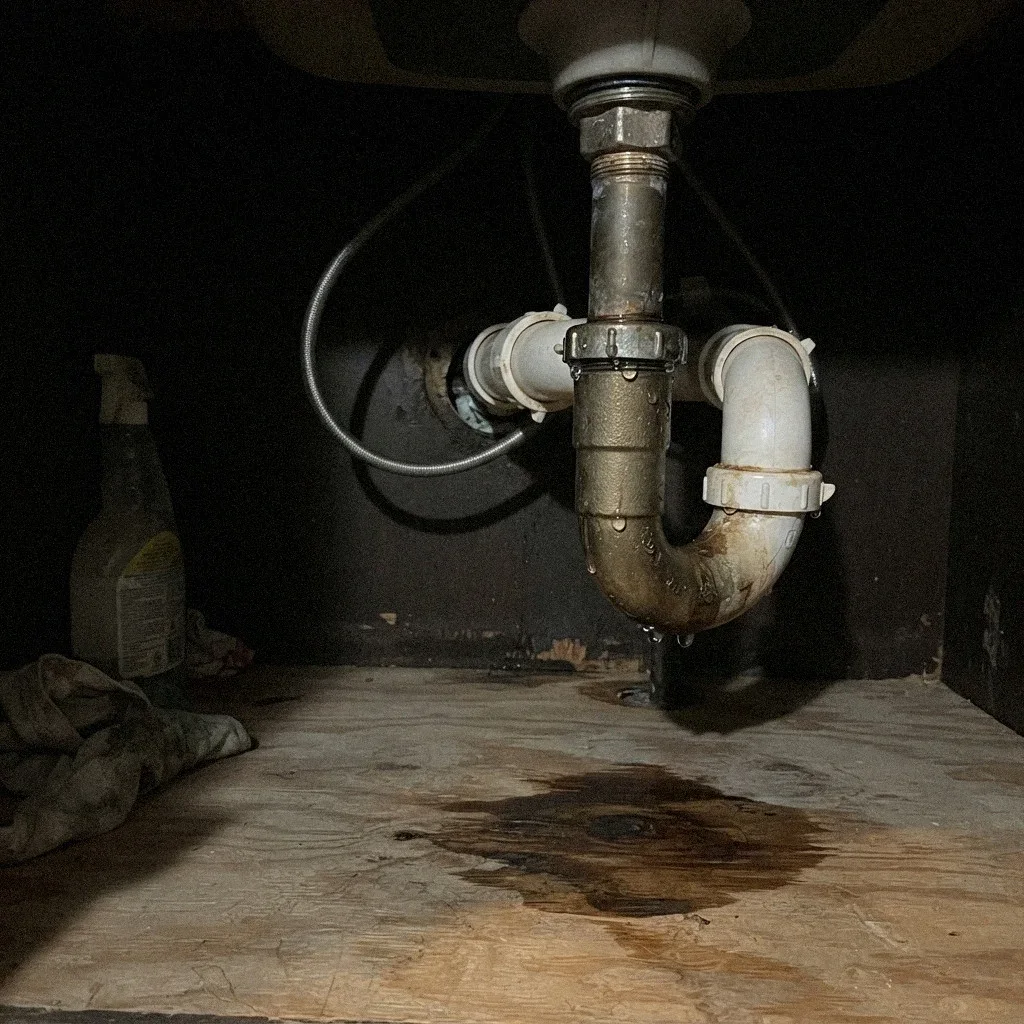
Algae, mold, and dust build up inside the condensate line the same way they build up in any damp, dark pipe that never dries out. The coil surface stays wet whenever the system runs, so the line is a continuous feed of moisture and organic material. Over months that buildup narrows the pipe until water backs up faster than it can drain, especially in a system that runs long hours through a Kearny Mesa or Mira Mesa summer.
A Realistic Check Schedule
For a system that runs most of the year, checking the drain pan and the line's outdoor discharge point once a month during the cooling season is a reasonable maintenance schedule. Look for water sitting in the pan, a musty smell near the air handler, or no drip at the outdoor termination point when the system has been running. A five-minute look is enough to catch a slow clog before it becomes an overflow.
What a Float Switch Does
Many air handlers include a float switch, sometimes called a wet switch, mounted in the drain pan or the line itself. It shuts the system off when water rises past a set point, before it overflows the pan. It is a backstop, not a substitute for checking the line. A float switch that has never been tested may be stuck or wired incorrectly, and a homeowner should not assume one is present or working without confirming it.
Algae Tablets and Vacuuming
A drain pan tablet, sometimes labeled an algae tablet, dropped into the pan slows biological growth in the pan and the upper part of the line between cleanings. It is a supplement to inspection, not a replacement for it. When a line does show a slow drain, a wet-dry vacuum at the outdoor termination, or at an access point in the line, can pull a clog free without opening the cabinet. A stubborn clog is a job for a licensed pro.
Coastal Homes Without AC
A float switch or wet switch, wired into the pan or the line itself, is supposed to shut the ac unit off before an overflow reaches the ceiling below it, in a Kensington bungalow or a Talmadge ranch house alike. It is not a substitute for the maintenance schedule, only a backstop for when the schedule slips. Testing it is simple: lift the float by hand and confirm the system cuts out. If it does not, the drain pan tablet in the pan and the annual vacuum of the line are the only things standing between a slow clog and water on the drywall.
Signs the Line Is Already Backing Up
None of this replaces a service call once water has already shown up on a ceiling or a wall near Golden Hill or South Park; that is a different question with a different answer, and the FAQ page on a leaking AC covers it. This piece is only about the inspection interval that keeps the question from coming up. A condensate pan checked and an algae tablet dropped in on a fixed schedule is cheaper, in time if nothing else, than finding out the drain pan has been overflowing behind a wall for a month.
Seasonal Load, Not a Season
San Diego does not have a wet season that drives this risk the way it might elsewhere. The load on a condensate line tracks how many hours the compressor runs, which tracks heat, not rain. A stretch of warm, humid weather in Tierrasanta or Rancho Bernardo can put more water through a line in a week than a whole rainy month does. The inspection interval should follow how hard the system is working, not the calendar.
Where to Put the Reminder
A monthly check is easy to plan and easy to forget. Tying it to something already routine, like a utility bill or a filter change, keeps it from sliding. Homes with attic air handlers, common in Allied Gardens and San Carlos, are worth checking slightly more often, since a ceiling is the first thing to show a leak and the last thing anyone looks at directly.
When to Call a Pro Instead
A line that clogs repeatedly within a few months despite tablets and clearing usually has a design issue, a low spot, an undersized pipe, or a coil problem upstream of the line itself. That is worth a call to an HVAC technician rather than a cycle of clearing the same clog. A licensed pro can also confirm whether a float switch is present and wired to actually cut power, not just installed for appearance.
If Water Has Already Gotten In
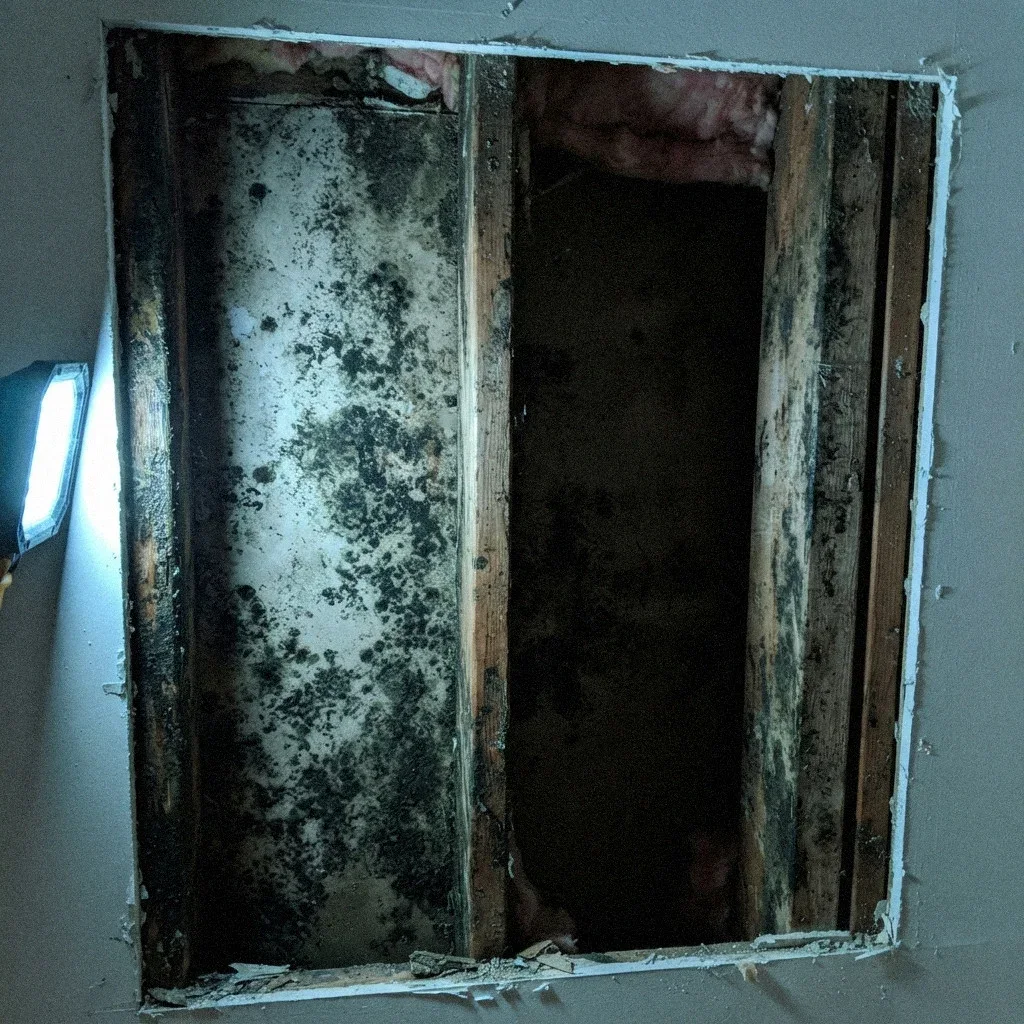
A condensate overflow that has already reached drywall, insulation, or flooring is a moisture event, not a maintenance item, and drying it fast matters more than figuring out exactly why the line failed. If a ceiling or wall near an air handler in a Del Cerro or Talmadge home has stayed damp for more than a day or two, that is the point to stop troubleshooting the line and start addressing what the water has already touched.
The Short Version
Check the drain pan and outdoor discharge monthly during the cooling season, keep a drain pan tablet in the pan, and do not assume a float switch is doing its job without confirming it. None of this is complicated, and none of it takes long, which is exactly why it is easy to skip until a stain on a Golden Hill or North Park ceiling makes the case for you.
Dealing with this in your home?
Mold in San Diego rarely starts with a storm. Marine air off the coast meets a cool interior surface, or an air conditioner drips quietly behind drywall, and growth begins without a drop of rain. A 1950s tract house near Clairemont Mesa Boulevard and a Craftsman near South Park fail the same way: moisture first, staining second. Bleach handles the color. It does not handle the source.