Now taking calls — fast callback for urgent mold problems · (619) 833-1053
Mold Inspection & Testing in San Diego, CA
San Diego, CA

Inspection, Air Sampling and Lab Reports in San Diego, CA

A documented inspection with lab testing, when you actually need proof.

A homeowner in Kensington or Bay Park notices a musty smell near a window unit, or a dark ring on the ceiling below a bathroom fan in a Clairemont ranch house, and cannot tell if it is worth calling anyone about. Marine air off the Pacific keeps interior humidity high most of the year here, with or without rain, so the smell can show up in August as easily as January. The question is always the same: is this something to test, or something to just remove.

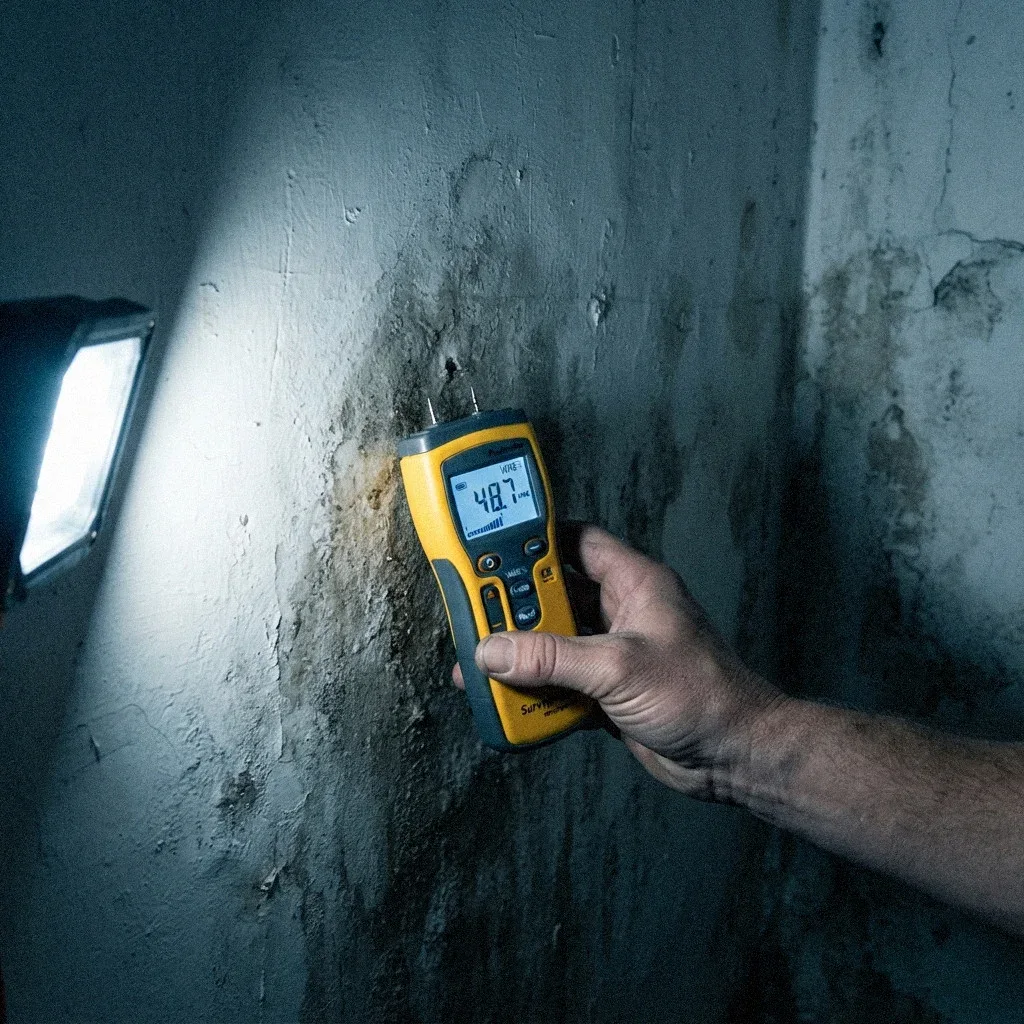
An inspection starts with a moisture meter rather than a swab, because a reading taken through the drywall says far more than a sample lifted off the surface. Air samples only mean anything against an outdoor reference pulled the same day, and it is the lab, not the drive across town, that sets the turnaround. Price tracks how many rooms get sampled and whether anything has to be opened up to reach the source. California licenses no mold assessor specifically, so the question worth asking is what license the company actually holds, and whether the person testing also wants the removal work.

Across San Diego County, whether you're in Hillcrest, North Park, South Park, or elsewhere around San Diego, mold inspection & testing is worth arranging with somebody who works on this housing stock rather than a generic plan. Foundation type, soil and building age all change what has to happen first.

This is most often a home job — residential mold removal sets out what that involves, or see commercial mold removal if the property is a business or a rental.

Warning Signs

Signs You May Need Mold Inspection & Testing

The Visit Is Free, Testing Costs Extra

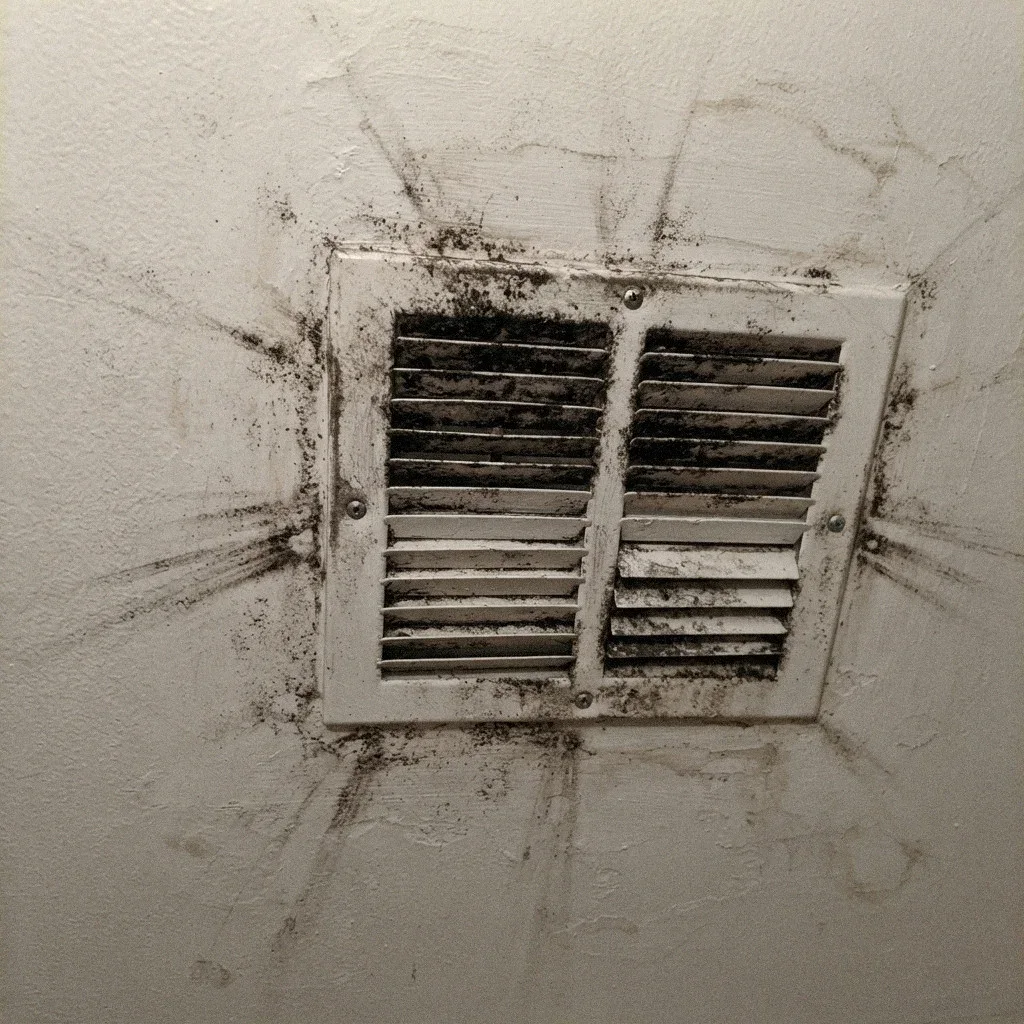
A musty smell with no visible growth is the clearest reason to pay for testing. The licensed pros we connect you with can run air sampling with a spore trap near Kensington or Talmadge homes to find what a visual assessment alone cannot locate, especially behind a wall cavity or under a raised floor where moisture mapping shows an elevated moisture reading but no exposed surface.

When a Smell Has No Visible Source

Disputes with a landlord, seller or insurer are the second reason testing earns its cost. A third-party assessor documents conditions with chain of custody and laboratory analysis, producing a report neither side wrote themselves. This matters for renters in City Heights or condo owners near Mission Valley negotiating repairs where one party's word alone will not settle anything.

Disputes Need a Documented Chain of Custody

Wanting proof after the fact is the third case, though that is a different service from the inspection itself. Homeowners near Clairemont or Serra Mesa sometimes want a baseline reading before a remodel, or documentation tied to a specific event like a slow leak discovered near Convoy Street. An inspection can set that baseline; it does not replace post-remediation verification once work is done.

How It Works

Our Mold Inspection & Testing Process

Visual Walkthrough Across the San Diego Home

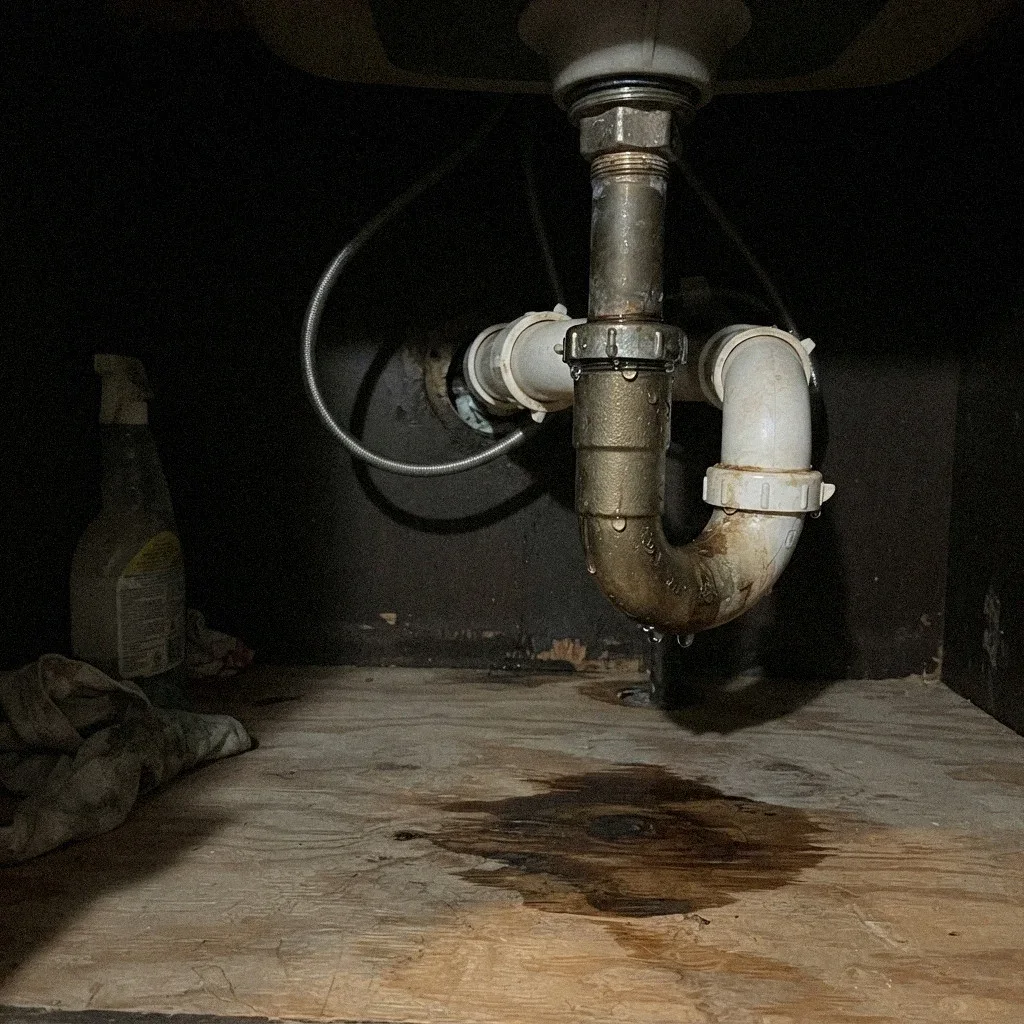
A visual assessment of the affected area and surrounding rooms, checking for elevated moisture near windows, AC lines and plumbing.

Moisture Mapping Near Windows and Roof Lines

Moisture mapping with a meter to find elevated moisture behind walls or under flooring that is not yet visible on the surface.

Air or Surface Sampling Sent to a Lab

A moisture meter and thermal camera trace elevated readings behind drywall and around window returns, building a map of where water is entering rather than just where mold shows. This step, not the lab work, tells the pro where the source actually is.

Baseline Report Before Any Remediation Begins

Where the moisture map and visible signs do not answer the question on their own, a spore trap or swab sample goes to a laboratory under a documented chain of custody, giving a third-party assessor a written baseline reading to compare against later.

Why this matters

Houses across San Diego, from Clairemont bungalows to Kensington and Talmadge homes, are wood frame under stucco, an absorbent skin that holds water against sheathing when flashing at a window or roofline fails. That moisture sits hidden behind a wall for months with no rainy season to expose it, which is exactly why a moisture-mapping inspection matters more here than a guess based on smell alone.

Licensing & Local Standards

Code-Compliant Mold Inspection & Testing in California

IICRC S520 Sets the Inspection Protocol

Mold inspection and testing in San Diego follows IICRC S520, the industry consensus standard for remediation work, though the inspection itself is a distinct paid service from removal. There are no California permissible exposure limits for indoor mold, so no lab report can state your air is within a legal limit. Ask any contractor what license class they hold under the Contractors State License Board, since California has no mold-specific license.

No Legal Limit Exists to Test Against

IICRC S520 is the voluntary standard the industry uses for remediation work, and it shapes how a competent inspection is documented, including protocol for sample collection and chain of custody. California has no mold-specific contractor license, so ask any contractor working in Golden Hill or Talmadge what license class they hold and what standard they follow.

No Surprises

The Cost of Mold Inspection & Testing, Up Front

These are the figures we quote most often for mold inspection & testing. Size of the property and how far the problem has spread move the number.

What mold inspection & testing typically runs locally
Best Suited ForWhat It FindsWhat It Misses
A house near the coast can go all summer without a drop of rain and still grow mold on a closet wall, because the trigger here is marine air condensing on a cool surface, not storm water. Inland toward El Cajon Boulevard the air runs drier, so the same house behaves differently a few miles apart. Drying for a limited, easy-to-reach area an estimated $250–$940
Houses built in different decades fail in different ways. Older bungalows with single-pane windows condense differently than a 1960s tract house on a mesa, and a 1980s build with central air has its own condensate paths. Housing era predicts the moisture problem more than the neighborhood does. HEPA cleaning for one affected room an estimated $295–$1345
The marine layer that cools San Diego mornings in summer is the same humidity that condenses on a cold window or an air conditioning line. Locally this is May Gray and June Gloom, and it is a mold driver most homeowners never connect to their own patch of growth. Several rooms or a hard-to-reach cavity an estimated $445–$2150
A dry climate does not mean a dry house. Slab foundations and crawl spaces trap moisture differently than the wet-season markets most mold advice is written for, so guidance built for a rainy climate does not transfer cleanly to a city where the mold driver is humid air, not rainfall. Multiple containment zones and extensive removal an estimated $710–$3580

Ask what caused the damp before asking what the cleanup costs, because a number without that answer is a guess wearing a decimal point. The licensed pros we connect you with should be able to point to the water before they point to a price, and a homeowner is owed that order.

Questions & Answers

Frequently Asked Questions

Do I need lab testing if I can already see mold?

No. Visible mold you can already identify and point to does not need lab confirmation before removal. Testing earns its cost when you smell something you cannot locate, when you are in a dispute, or when you want documented proof. Paying to confirm what your own eyes already found in a North Park bathroom or closet is money spent on nothing new.

What actually happens during a mold inspection?

A visual assessment of the property, moisture mapping with a meter along walls and floors, and a check of likely sources like AC condensate lines or window flashing. If sampling is warranted, air sampling with a spore trap or a surface swab sample gets sent to a lab under chain of custody. The written report follows once analysis is back.

How is air sampling different from a surface swab?

Air sampling with a spore trap captures what is floating in a room's air at that moment, useful when you smell mold but see nothing. A swab sample tests a specific surface directly, useful when something is visible but you want lab confirmation of conditions, such as before a dispute near Bankers Hill or Hillcrest. They answer different questions.

Do I need testing if I can already see mold?

No lab result can say your air is within a legal limit, because California never set a permissible exposure limit for indoor mold. A laboratory analysis compares your sample against an outdoor baseline reading or another room, showing relative elevation, not a safety certificate. Anyone claiming otherwise is stating something no regulator recognizes.

What does a mold inspection in San Diego actually involve?

This is one of the clearer cases for paying for documented testing rather than a free on-site assessment. A third-party assessor's report with lab analysis and chain of custody gives both sides in a sale near University Heights or Kensington something independent to point to, rather than one party's opinion against another's.

Can I use a lab report to prove mold to my landlord?

It depends on the lab and the turnaround tier chosen, and that is set at the time of sampling, not guessed here. Standard turnaround is typically a few business days; rush options usually cost more. The licensed pros we connect you with can quote turnaround time for your Serra Mesa or Clairemont property before sampling begins.

How much does mold inspection & testing cost in San Diego?

No safe exposure level exists for indoor mold, and testing rarely changes what happens next: if you can see it or smell it, the work is removal, not lab confirmation. What matters more is why it grew. Marine humidity meeting a cool surface, or a condensate line nobody checked, will feed new growth again unless that moisture source gets fixed first.

Get Started Today

Talk through this specific job

This is one piece of a larger job, and it rarely stands alone. A leak that stains a ceiling in Kensington or a condensation line in a Pacific Beach bathroom usually needs both the moisture stopped and the growth removed, in that order. The licensed pros we connect you with in San Diego can tell you on the call whether this service covers what you're dealing with or whether the source needs attention first. Call Now: (619) 833-1053 and describe what you're looking at.

Call (619) 833-1053
Free inspections & same-day service available
Call (619) 833-1053 Schedule Online