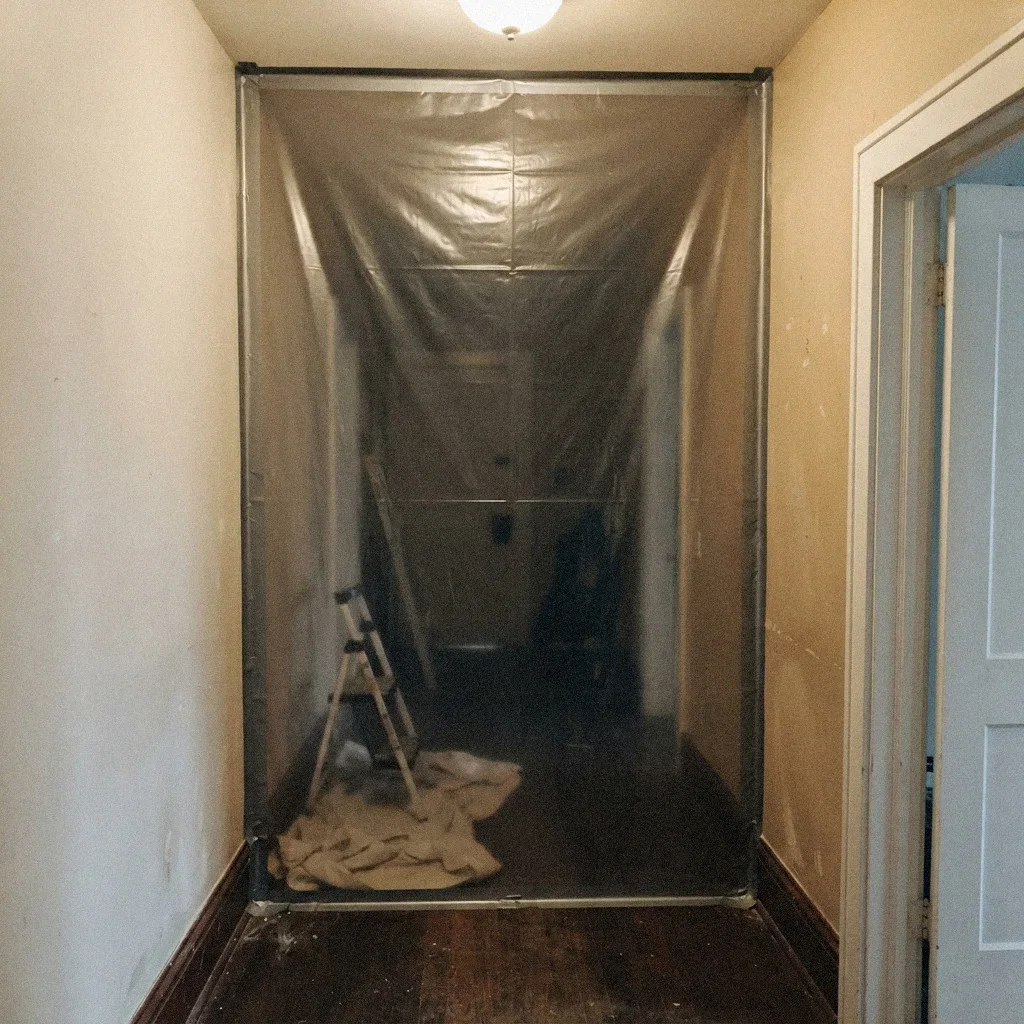
Mold Remediation
Containment, removal, and HEPA cleaning done in the right order, by licensed pros we connect you with.
Learn about Mold RemediationBay-adjacent humidity and older wood-frame homes, not rainfall, drive Logan Heights mold calls.
Much of Logan Heights was built before 1950, so raised floors over a crawl space are common alongside newer slab-on-grade infill. Chollas Creek drains through the area's lower blocks, and yards with poor grading hold water against foundations long after any rain has passed.
Any estimate that skips the moisture check only prices half the work, leaving the actual cause untouched.
Logan Heights carries both of this city's foundation types, often on the same street. Older lots sit on raised floors over crawl spaces; anything built from the 1950s onward is usually slab-on-grade. They fail differently. A crawl space gives up ground moisture upward all year, while a slab hides a leak underneath it until a floor feels warm or a baseboard darkens.
Being near San Diego Bay does not put water into a house. What it removes is the drying half of the cycle: the air outside is already damp, so a wall that gets wet has nothing to give its moisture up to. That is why the answer here is almost always ventilation and the source, not whatever gets sprayed on the surface.
Logan Heights doesn't get heavy rain, but bay-driven humidity sits on the neighborhood most of the year. Older wood-frame houses with limited airflow hold that moisture in wall cavities and closets long after any storm has passed. Color is not a reliable clue to what is growing or how serious it is, and no season changes that fact. What matters is whether moisture is still arriving and where it is coming from. A patch that reappears after cleaning almost always means the water source was never found, whatever time of year the cleaning happened.
Because of Naval Base San Diego, there is a steady stream of non-residential jobs in Logan Heights. Shared structures let causes move between units, so treating one space in isolation rarely holds; the building gets addressed as a whole.
Local pricing, openly published. The written estimate for your own property always comes before any work is booked.
| Service | Estimated cost |
|---|---|
| Mold Remediation | an estimated $1100–$3900 |
| Crawl Space Mold Removal | an estimated $1200–$6000 |
| Drywall & Wall Cavity Mold Removal | an estimated $900–$3800 |
| Ceiling Mold Removal | an estimated $900–$3800 |
Homes on the low side of the creek's watershed see standing water in yards well after any rain, and that groundwater migrates toward slab edges and crawl space soil over time, not just on wet days. the drainage channel that runs through the lower blocks of Logan Heights on its way toward San Diego Bay to the west
Its presence has shaped the surrounding blocks since the mid-1900s, and the area's older concrete block construction and frame homes near the bay share the same low mesa drainage pattern as the rest of Logan Heights. a major bayfront employer close to Logan Heights along the southeastern edge of San Diego Bay
The corridor sits low relative to the mesa behind it, and runoff from higher ground funnels toward this edge, which is one reason drainage around older foundations here gets checked before any interior mold work starts.
Containment, removal, and HEPA cleaning done in the right order, by licensed pros we connect you with.
Learn about Mold Remediation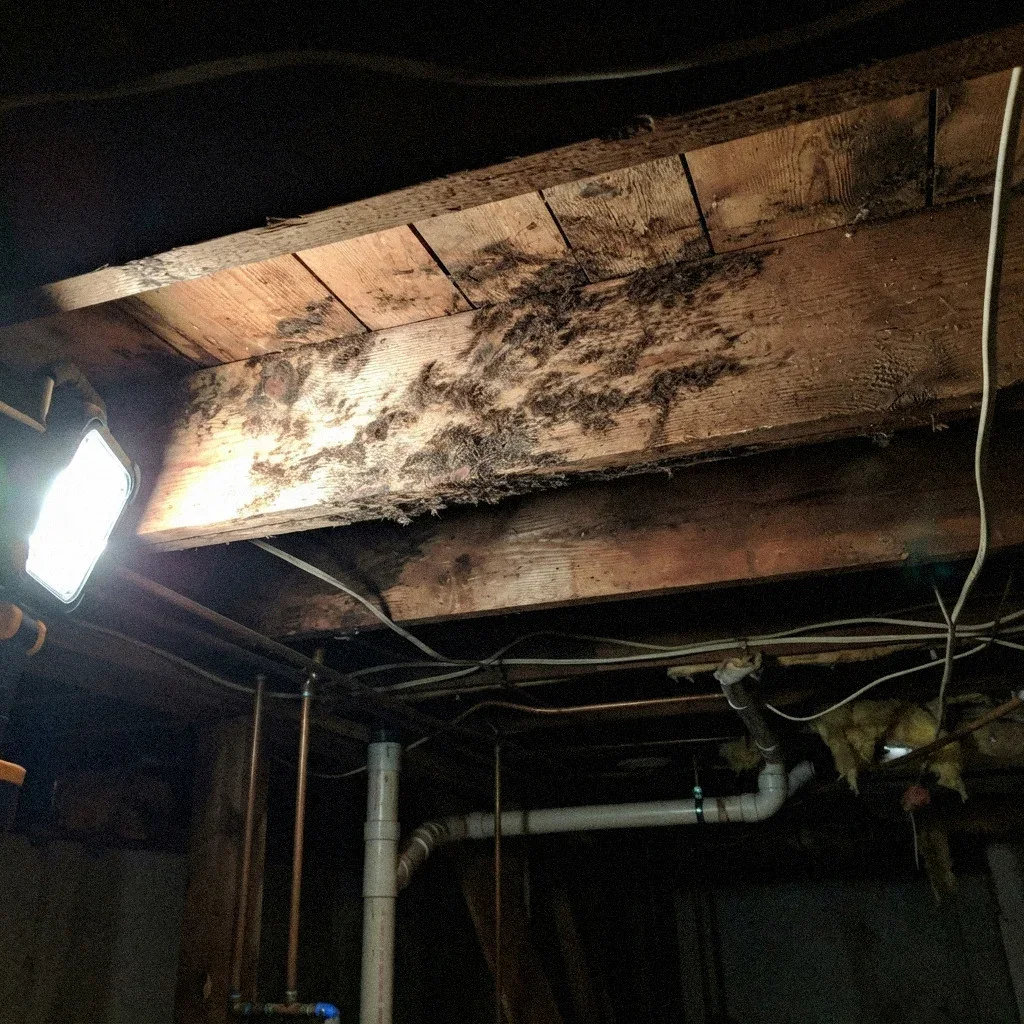
Licensed local pros clear mold from joists, subfloor and vapor barrier, then seal the ground. Call now.
Learn about Crawl Space Mold Removal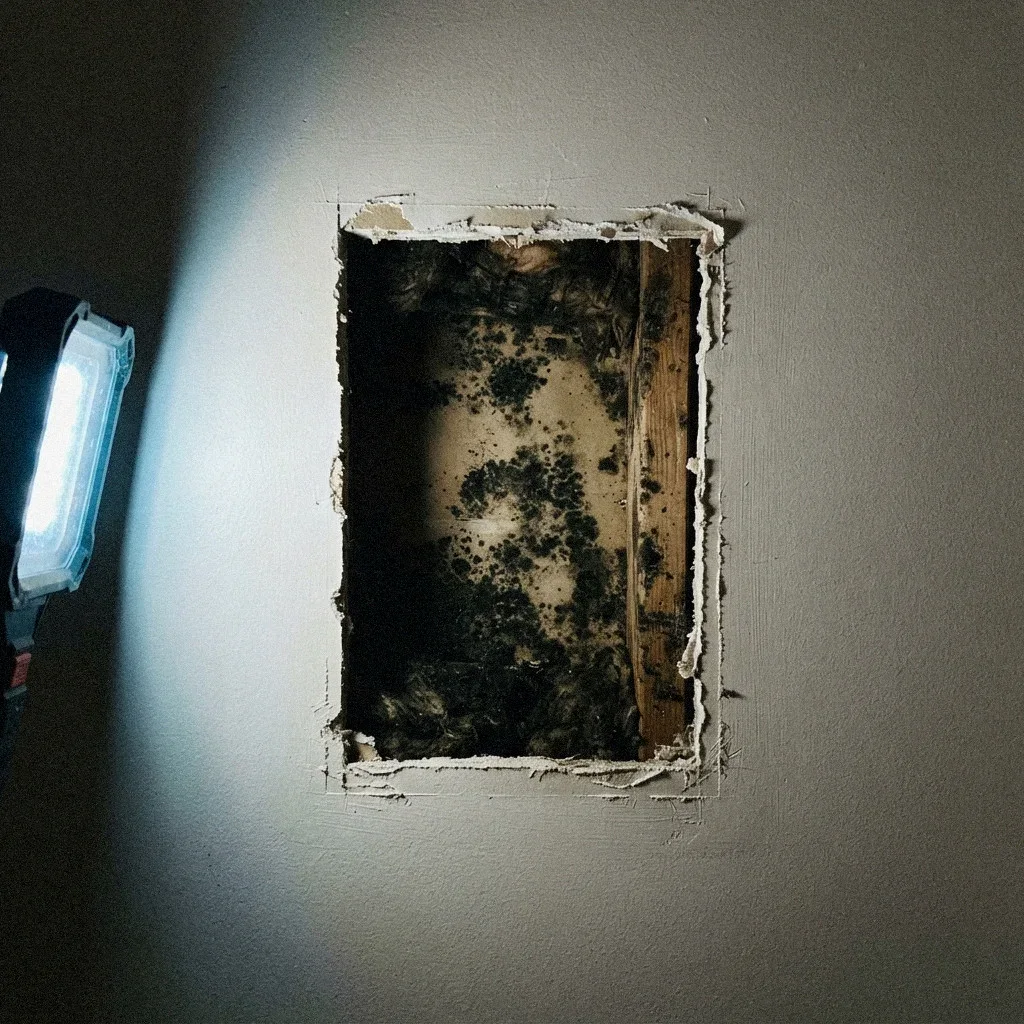
Mold gets cut out of your walls, not painted over. Call a local licensed pro today.
Learn about Drywall & Wall Cavity Mold Removal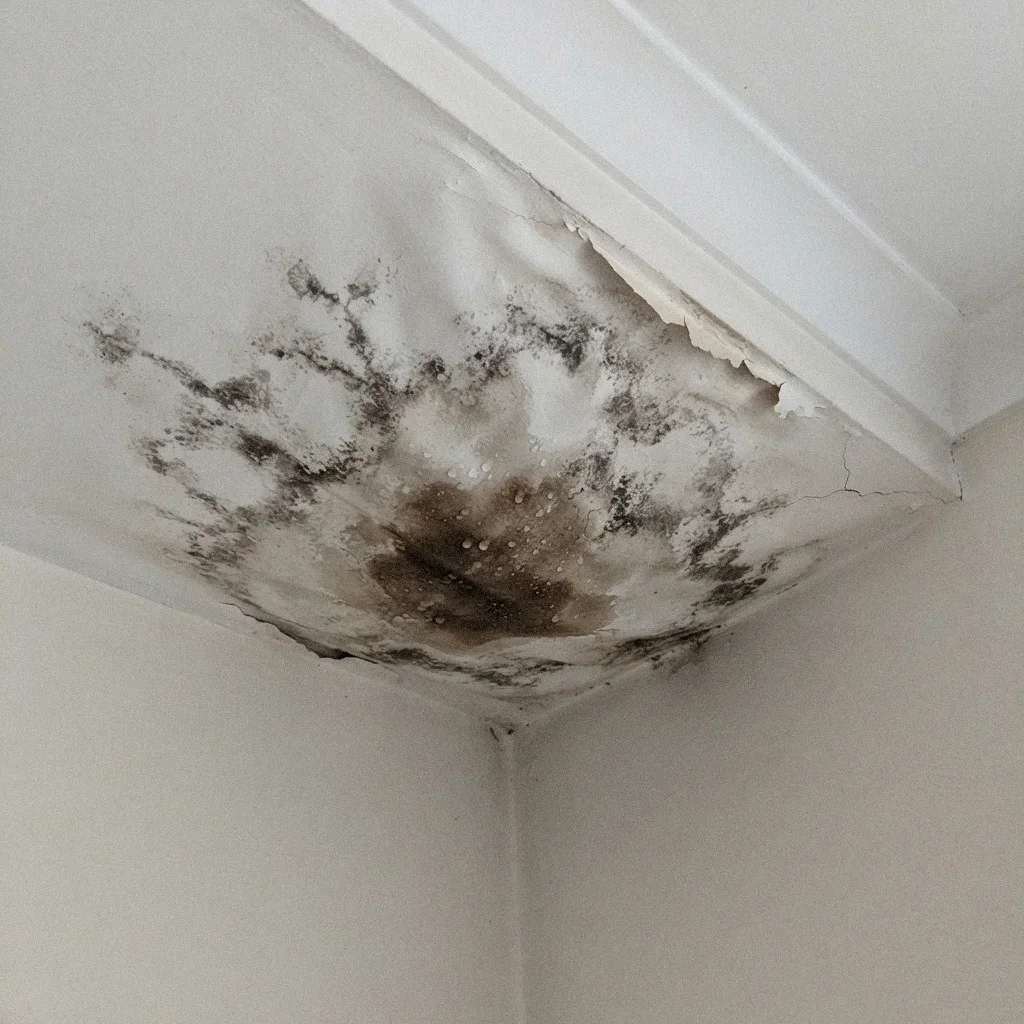
A ceiling stain means water above it. Call (619) 833-1053 and get a local licensed pro on it fast.
Learn about Ceiling Mold RemovalIt's common. Many Logan Heights homes were built with a raised floor and open crawl space rather than a slab, and that space holds ground moisture year-round regardless of rainfall. Musty smells from under-floor mold are one of the more frequent calls the licensed pros we connect you with take in this part of the city.
Chollas Creek drains part of the lower blocks of Logan Heights, and yards graded toward a foundation instead of away from it will hold water against the wall long after the ground elsewhere has dried, feeding mold growth at the base of exterior walls.
Not necessarily. Testing rarely changes the remediation plan when growth is visible; the harder task is figuring out where the moisture is entering the home, whether from a crawl space, a roof leak or a plumbing line, and fixing that source.
Likely mold, not just age. A musty crawl space smell in a Logan Heights bungalow usually means bare soil under the raised floor is releasing moisture with no vapor barrier to stop it. That moisture sits against joists and subfloor and feeds growth even without any leak. Worth a look underneath rather than masking the smell.
Yes. Older wood-frame walls here were built without a vapor barrier or much wall cavity ventilation, so humidity from the bay-influenced air gets in and has nowhere to go. It settles into the framing and drywall backing and stays there through most of the year, since there's no cold season to dry it out the way it might elsewhere.
The line covering Logan Heights is answered around the clock, so there is someone to talk to at 2am rather than a voicemail. Being a short drive from San Diego, most standard bookings still land the same day or the next. You get an honest arrival window when you book instead of a vague promise.
Not every San Diego neighborhood grows mold the same way. A crawl-space cottage near Adams Avenue holds ground moisture differently than a slab house off Clairemont Mesa Boulevard, and the fix has to match the building, not just the address. The licensed pros we connect you with can tell on the phone which pattern applies to a house like yours before anyone drives out to look. Call Now: (619) 833-1053 and say where you are and what you're seeing.
Call (619) 833-1053