Somebody quoting mold work in San Diego will often mention a certification, usually IICRC S520, as if the letters settle the question of whether they are competent. They do not settle it. S520 is a real document with a real scope, but it is a voluntary consensus standard written by an industry body, not a government requirement. Knowing what it actually covers, and what it leaves untouched, is more useful than treating the name as a pass or fail on its own.
What S520 Actually Covers
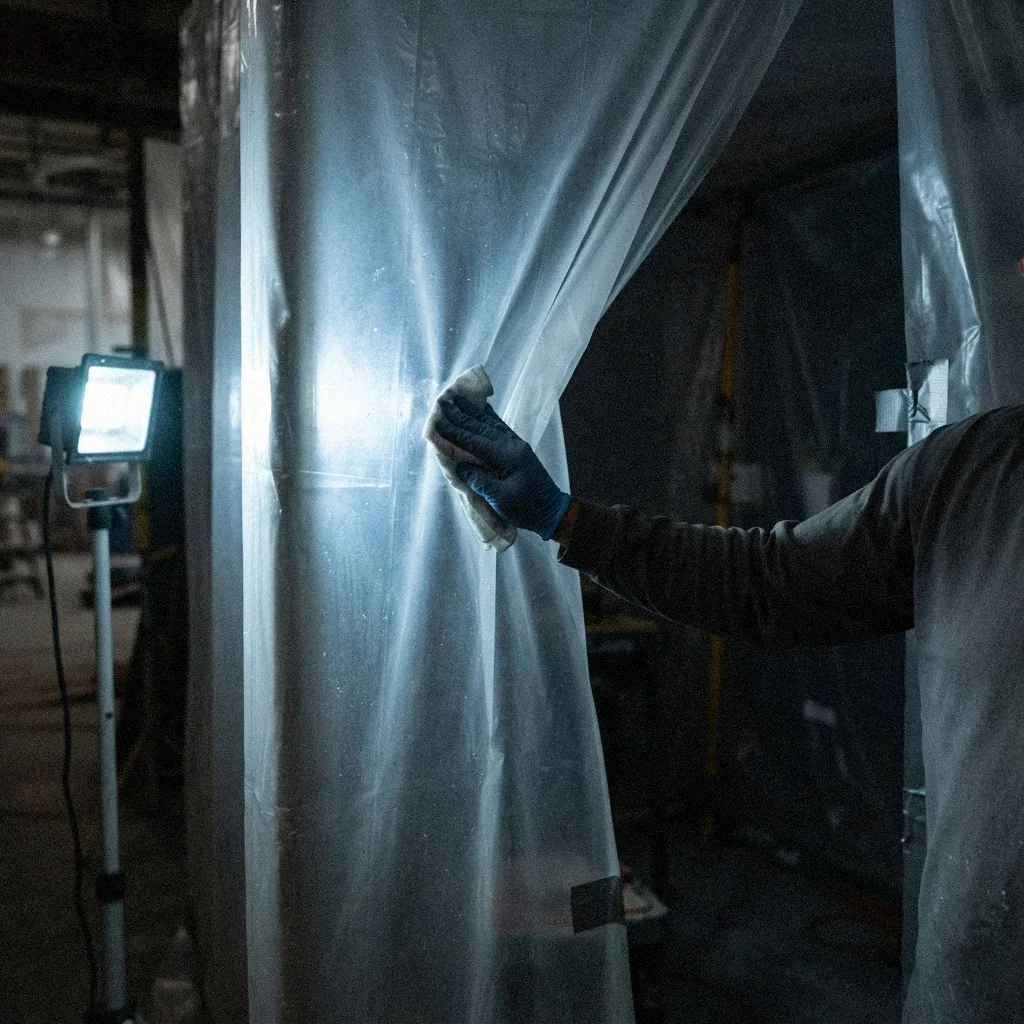
IICRC S520 sets out procedures for assessing and remediating mold damage in buildings: how to inspect, how to contain a work area, how to remove contaminated material, and how to verify the work afterward. It is the mold-specific counterpart to the water damage standard the same body publishes, and the two are not interchangeable. A contractor who cites S520 is pointing to a written procedure, not a guarantee about the person following it.
A Standard, Not a Law
S520 carries no legal weight in California. It was written by a private standards body and adopted voluntarily across the restoration industry. Nothing requires a contractor working in San Diego to follow it, and nothing in state law makes mold remediation a licensed specialty the way it is in some other states. A contractor can be excellent and never mention S520, and another can cite it and still do sloppy work.
Certification Is Personal, Not a Company
A company being S520 certified is not really a thing. Individuals take the training and hold the credential; companies advertise that they employ certified people. That distinction matters when a homeowner in North Park or Clairemont is comparing quotes, because the person who shows up to do the actual removal may or may not be the certified one whose name is on the company's website.
What the Credential Does Not Guarantee
Certification confirms someone sat through a course on containment, removal, and documentation. It does not confirm they will find the moisture source before they start tearing out drywall, and it does not confirm the price is fair. It is a floor of procedural knowledge, not a ceiling on judgment. A certified person who skips the moisture investigation has still failed at the part of the job that actually stops mold from coming back.
California Has No Mold License
IICRC S520 sets procedures for assessing and remediating mold in buildings, and a certified technician has trained against that document. It does not mean the growth found in a San Diego home has been tested, identified by species, or shown to be dangerous at the level present, because no such safe or unsafe threshold exists. Certification is a training credential, not a warranty on the job outcome, and it says nothing about whether the moisture source has actually been found.
Better Questions Than the Letters
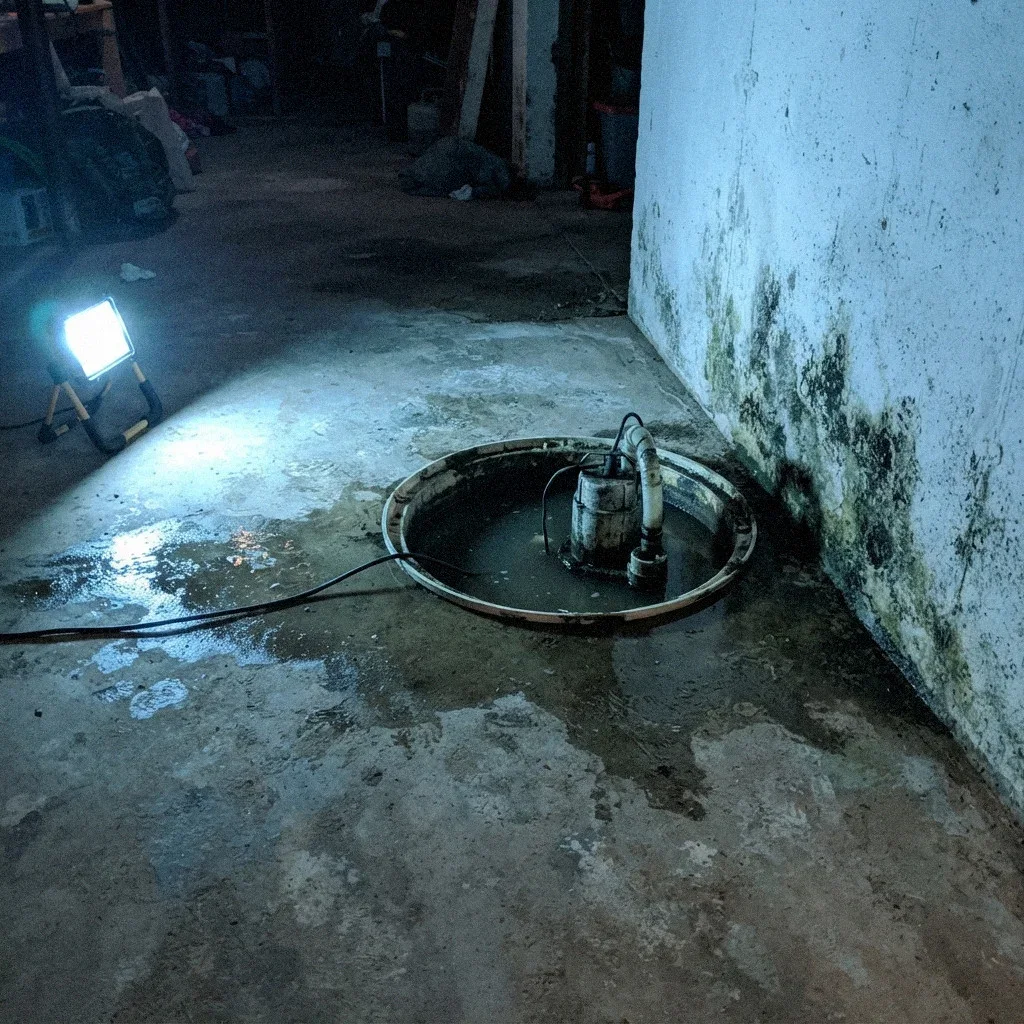
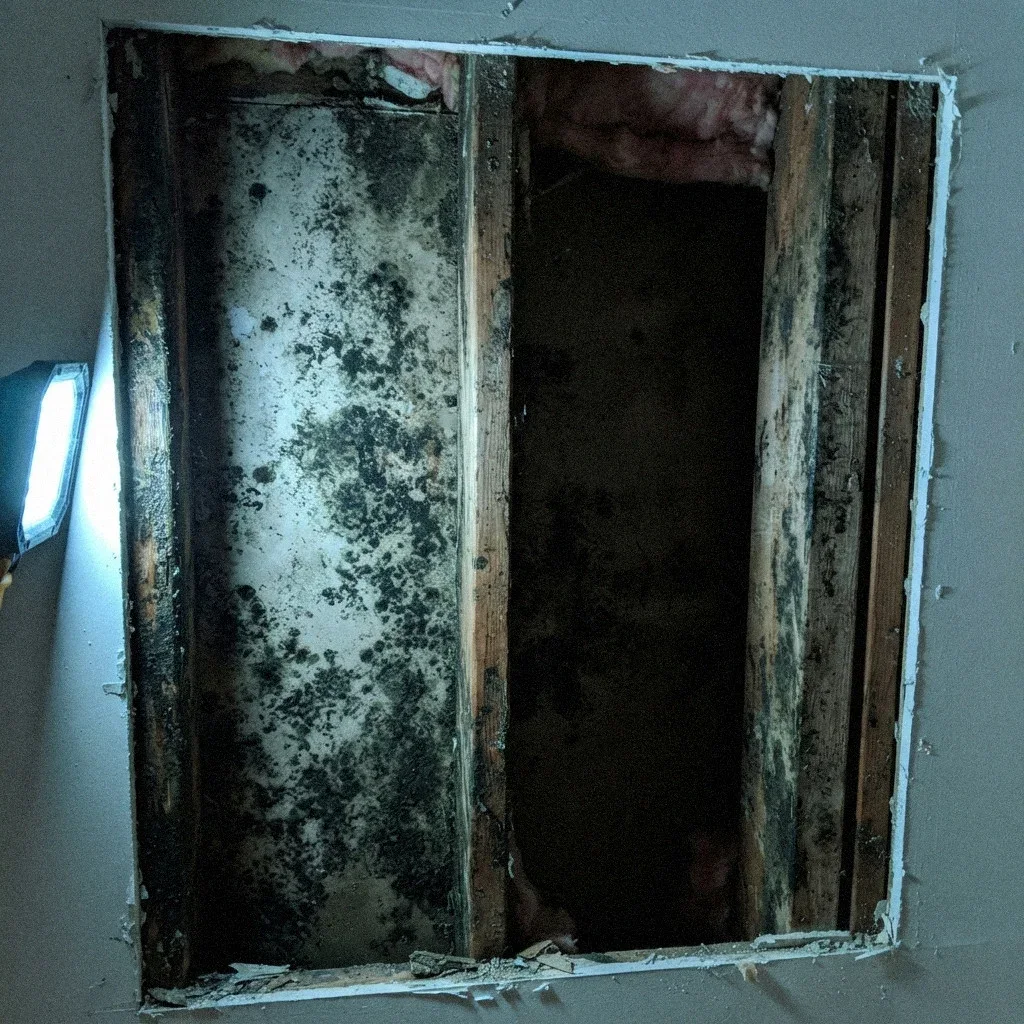
Instead of asking only whether a contractor is S520 certified, ask what they found caused the moisture, whether they plan to test the air handler condensate line if there is one, and how they will confirm the work succeeded before closing containment. A San Diego home near Mission Valley or Bay Park with a leaking AC line needs that traced, not just the visible mold cut out and hauled off.
Why the Moisture Question Comes First
S520 certification is worth asking about, but it is not a license. California issues no mold-specific credential at all; contractors work under existing Contractors State License Board classifications. A certification card shows someone studied a voluntary industry standard, nothing more. Better questions: what containment will you use in a house of this age, how do you confirm the moisture source before starting, and what does the scope of work actually list. Those answers separate a serious bid from a quick paint-over near Golden Hill or North Park.
Certification Does Not Test Species
S520 training covers procedure, not species identification. A certified technician is not thereby qualified to tell a homeowner in Talmadge or Golden Hill what species is growing on their bathroom ceiling by looking at its color. That distinction gets blurred in marketing, and it is worth asking directly whether a quote includes testing, and why, before assuming certification implies it.
How to Read a Company's Claims
When a company's site lists S520 certification, it is reasonable to ask which staff hold it and whether the person doing the physical work will be one of them. It is also reasonable to ask what training the rest of the crew has, since containment and removal on a job in Serra Mesa or Linda Vista is rarely done by one person alone.
What This Means for a Quote
A quote that opens with a certification claim but skips a moisture question is quoting on half the job. The credential is a reasonable filter, not a substitute for the contractor asking where the water in a Point Loma or City Heights home is actually coming from before naming a price or a scope of work.
The Short Version
S520 is a legitimate industry standard describing how mold remediation should be done, held voluntarily and unregulated by California law. It is worth asking about, but it answers a narrower question than most homeowners assume. For what remediation itself typically involves once a contractor is chosen, the mold removal process guide covers the sequence in full.
Dealing with this in your home?
Mold in San Diego rarely starts with a storm. Marine air off the coast meets a cool interior surface, or an air conditioner drips quietly behind drywall, and growth begins without a drop of rain. A 1950s tract house near Clairemont Mesa Boulevard and a Craftsman near South Park fail the same way: moisture first, staining second. Bleach handles the color. It does not handle the source.