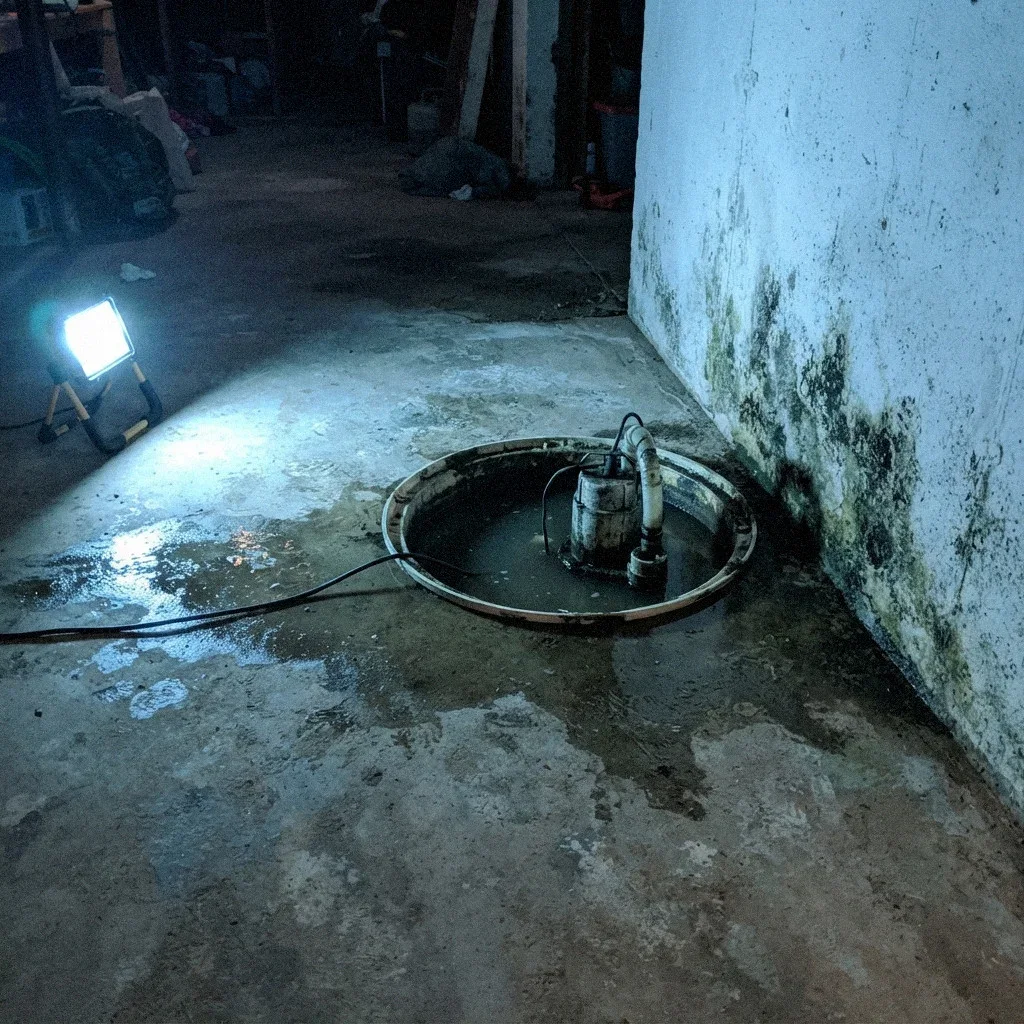
A homeowner in San Diego scrubs a dark patch off a bathroom wall, and a few weeks later it is back in the same spot, sometimes darker. That is not bad luck. Surface cleaning removes what you can see, but mold only grows where there is moisture, and if the moisture source was never addressed, the surface you cleaned will simply grow spores again as soon as conditions allow it.
What Surface Cleaning Actually Removes
Wiping a dark patch off drywall or tile changes the color, not the cause. Bleach and household cleaners kill what sits on the surface, but spores lodged in porous material like drywall paper or unfinished framing are often untouched, and a wall cavity behind the patch can stay damp long after the visible spot looks fine. Within weeks the same stain returns in the same spot, because the source of moisture was never addressed.
Bleach Treats Color, Not Growth
Bleach is effective on nonporous surfaces like glass or sealed tile, but it is not a fix for porous materials. On drywall or wood, bleach mostly whitens the surface while leaving mold structure intact below it. That is why a bleached patch in a San Diego home can look clean for a while and then darken again. The visual change is not the same thing as removing the growth or its cause.
Moisture Is the Limiting Factor
Organic material for mold to feed on is present in almost any building, so it is never the limiting factor. Moisture is. Without a source of moisture, mold does not establish itself, no matter how much cleaning was skipped. This is the core reason cleaning alone fails: it treats a symptom while the actual condition that allows growth, ongoing dampness, keeps operating in the background.
Hidden Moisture Inside a Wall Cavity
A wall cavity can stay damp for a long time without any visible sign on the painted surface. A slow plumbing leak, condensation on a pipe, or moisture intrusion from outside can sit inside the cavity, feeding mold on the back of the drywall while the front looks fine. Cleaning the visible side does not touch what is happening inside the wall, which is why the same spot keeps reappearing in the same location.
Condensate Lines as a Common Source
In San Diego homes with air conditioning, a blocked condensate line is a frequent, easy-to-miss moisture source. Water that should drain away backs up into the air handler cabinet, the drain pan, or the ceiling and wall below it. Coastal houses without air conditioning avoid that particular risk, but they also lack any mechanical way to dry out humid indoor air, which creates a different, slower moisture problem.
Why This City Grows Mold Without Rain
San Diego rarely gets storms strong enough to soak a wall outright, so recurring growth here is usually slower and quieter: a shower that runs without a fan, a marine layer morning that keeps windows sweating, condensate that backs up instead of draining outward. None of it announces itself the way a leak does, which is exactly why hidden moisture keeps winning against surface cleaning long after the last visible patch was scrubbed away.
The 24 To 48 Hour Window
The EPA advises drying wet or damp materials within 24 to 48 hours to prevent mold from establishing. That guidance is about timing, not a guarantee for any specific house. A leak that gets mopped up but leaves a damp wall cavity behind it can still miss that window on the inside, even though the visible surface looks dry within a day.
Cross Contamination While Cleaning
This is also why a stain reappearing near 30th Street, Adams Avenue, or anywhere along the University Avenue corridor in North Park and City Heights often traces back to the same unresolved leak, not a new one. Older housing stock in these areas, much of it from the 1940s through 1970s, carries plumbing and window details that let moisture in slowly and quietly over time.
Containment Prevents Spreading Spores
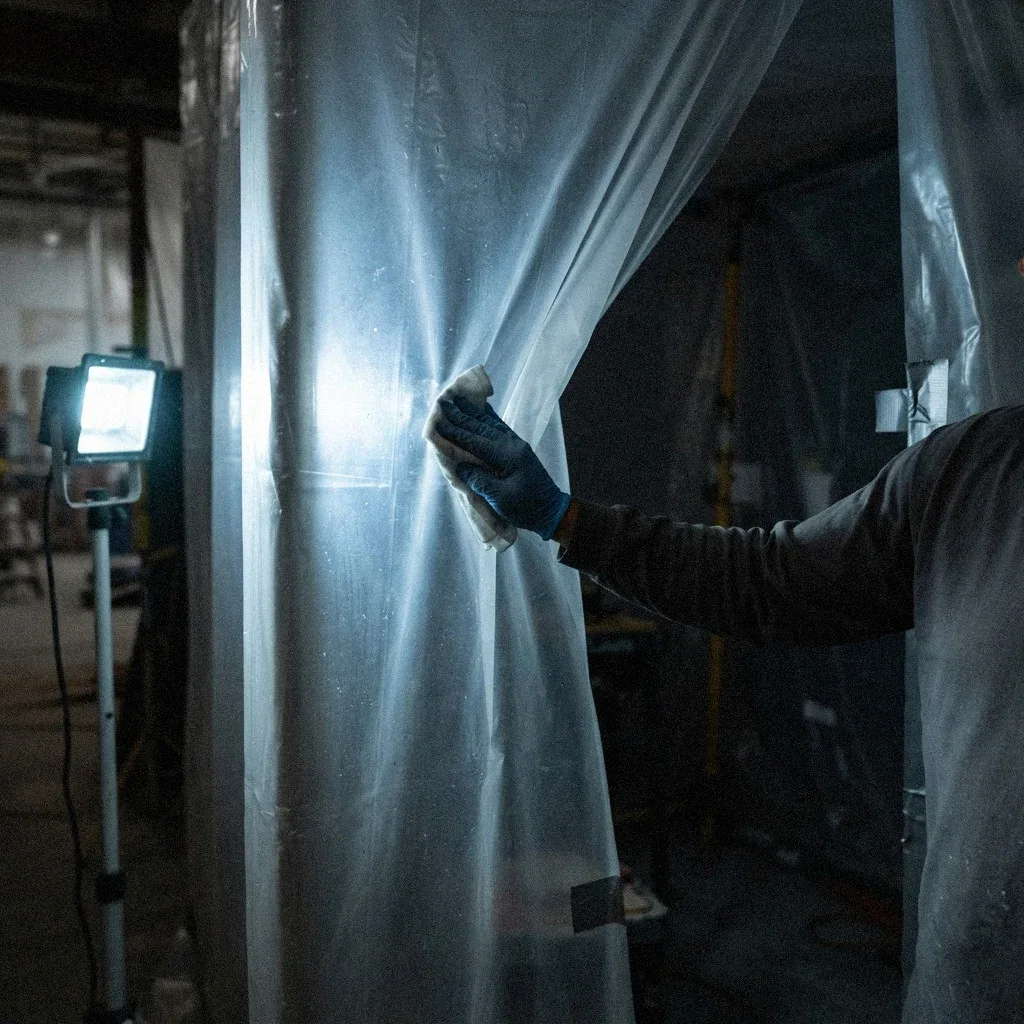
Disturbing mold without containment, scrubbing, sanding, or even vacuuming a dry patch, releases spores into the air. Without an air gap or barrier between the work area and the rest of the house, those spores settle on surfaces elsewhere, creating cross contamination in rooms that never had a moisture problem. This is one reason a small cleaning job can appear to make things worse rather than better.
Recurring Growth Signals a Bigger Issue
When mold keeps recurring in the same spot after repeated cleaning, that pattern itself is information. It means the moisture source was never identified or never stopped, whether that is a slow window leak near Mission Valley's older apartment stock, a condensate line, or humid air with nowhere to go. Recurring growth is rarely about needing a stronger cleaner. It is about needing to find the water.
What This Means Before You Clean Again
None of this means cleaning is pointless, only that it is incomplete on its own. A homeowner in Clairemont or Linda Vista dealing with a returning patch is better served by finding where the moisture is coming from first. The mold remediation process, including containment and removal, is covered in more depth on the remediation service page, since that work goes well beyond wiping a wall.
Dealing with this in your home?
Mold in San Diego rarely starts with a storm. Marine air off the coast meets a cool interior surface, or an air conditioner drips quietly behind drywall, and growth begins without a drop of rain. A 1950s tract house near Clairemont Mesa Boulevard and a Craftsman near South Park fail the same way: moisture first, staining second. Bleach handles the color. It does not handle the source.