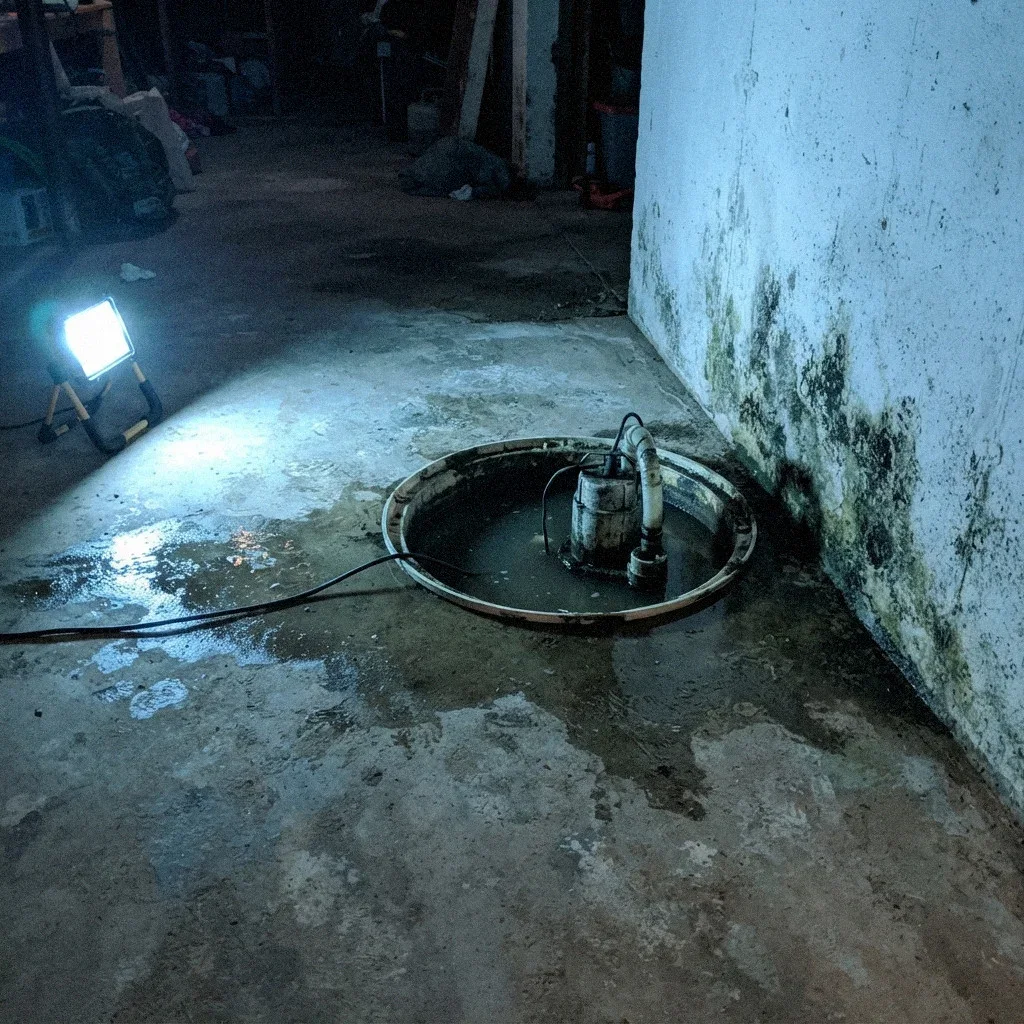
Most of the anxiety around a mold job comes from not knowing what the day looks like. San Diego houses from the 1940s through the 1970s tend to have small, closed rooms and old ventilation, so the setup takes more of the morning than the actual removal does. Knowing the order of events ahead of time turns a strange day into a predictable one. This post covers setup, noise, what you move, timing, and the walkthrough at the end.
Setup Comes Before Removal
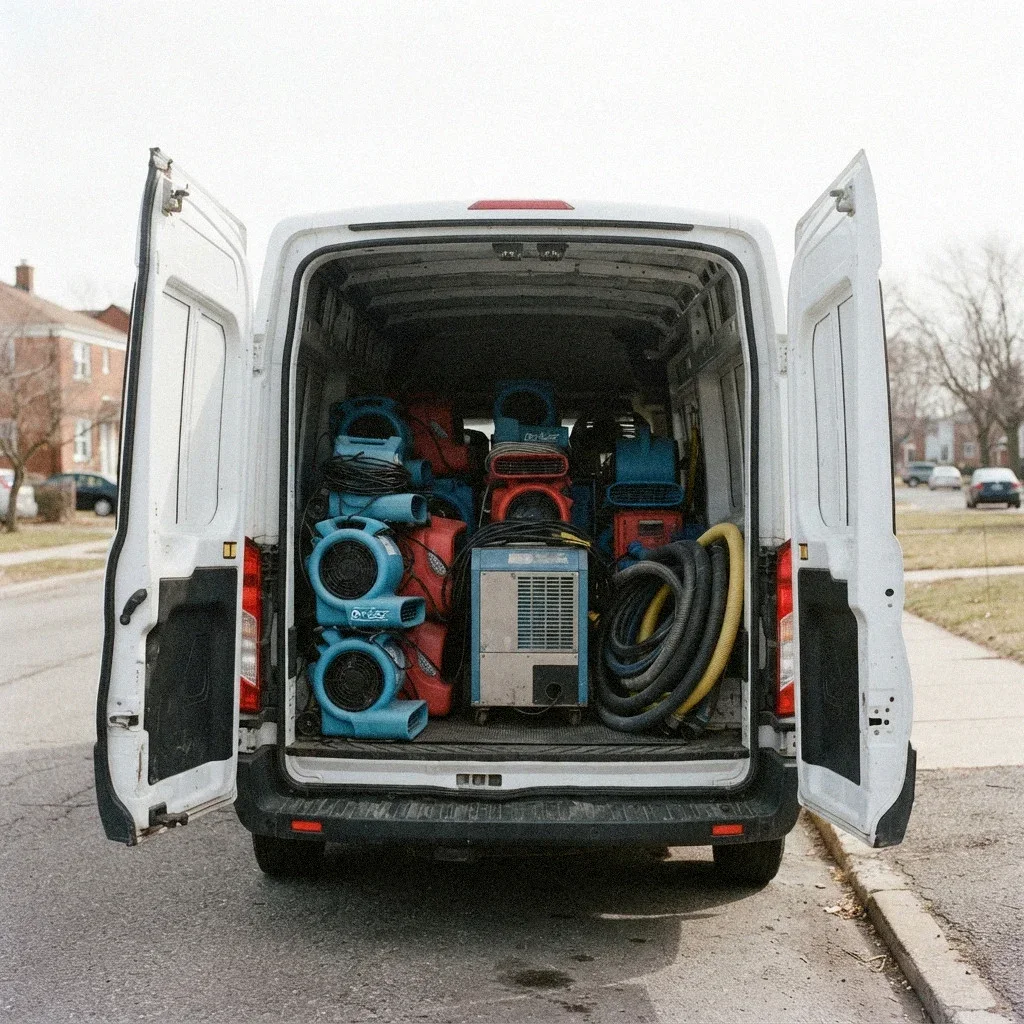
The first hour is almost entirely setup, not removal. The licensed pros we connect you with will inspect the affected area again, confirm the boundary of the work, and check nearby rooms for airflow paths before touching anything. Nothing gets disturbed until containment is in place. If your home is near a busy corridor like El Cajon Boulevard or University Avenue, expect the crew vehicle to be parked on the street rather than a driveway, which is normal.
Why Plastic Sheeting Goes Up First
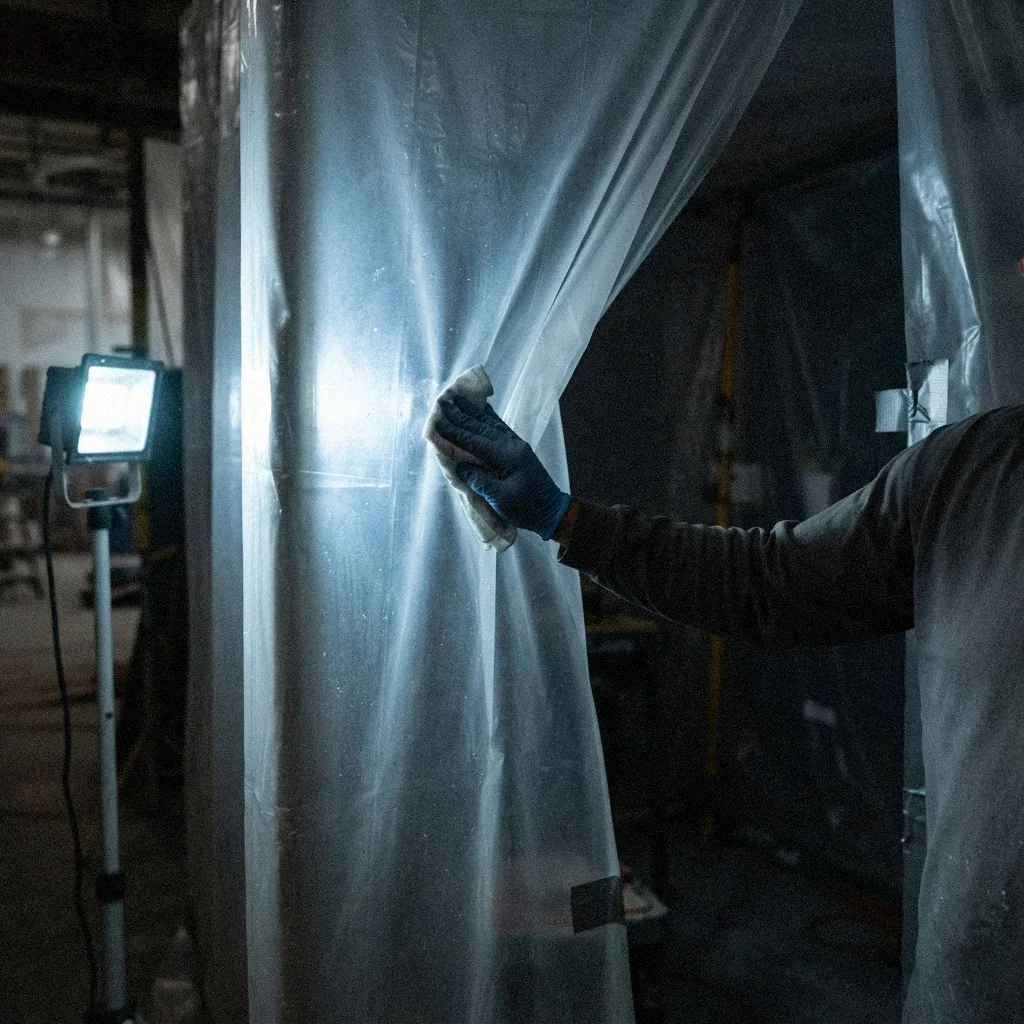
Plastic sheeting seals the work area from the rest of the house before any material is disturbed. Mold that gets disturbed releases spores into the air, and containment keeps those spores from traveling into hallways, bedrooms, or a Hillcrest bungalow's shared HVAC returns. The sheeting is taped at seams and often has a zippered flap for entry. It looks dramatic for a single closet or bathroom job, but the size of the containment is about protecting air, not about the size of the mold.
The Negative Air Machine Noise
A negative air machine or air scrubber usually runs for the duration of the job. It pulls air out of the contained space through a filter, which keeps spore-laden air from pushing outward when the plastic flap opens. It sounds like a shop vacuum left running, a steady drone rather than anything sharp. In a smaller North Park or South Park house that noise carries through thin walls, so plan a call or a video meeting around it rather than during it.
What You Need to Move Yourself
The licensed pros we connect you with will ask you to clear personal items, papers, and anything irreplaceable out of the work area before they start, since they are not there to pack or move your belongings. Furniture that can stay is usually wrapped in place. If the job is in a Kensington or Talmadge home with built-in shelving, expect them to work around it rather than remove it, unless the material itself is affected.
Removal Is the Fast Part
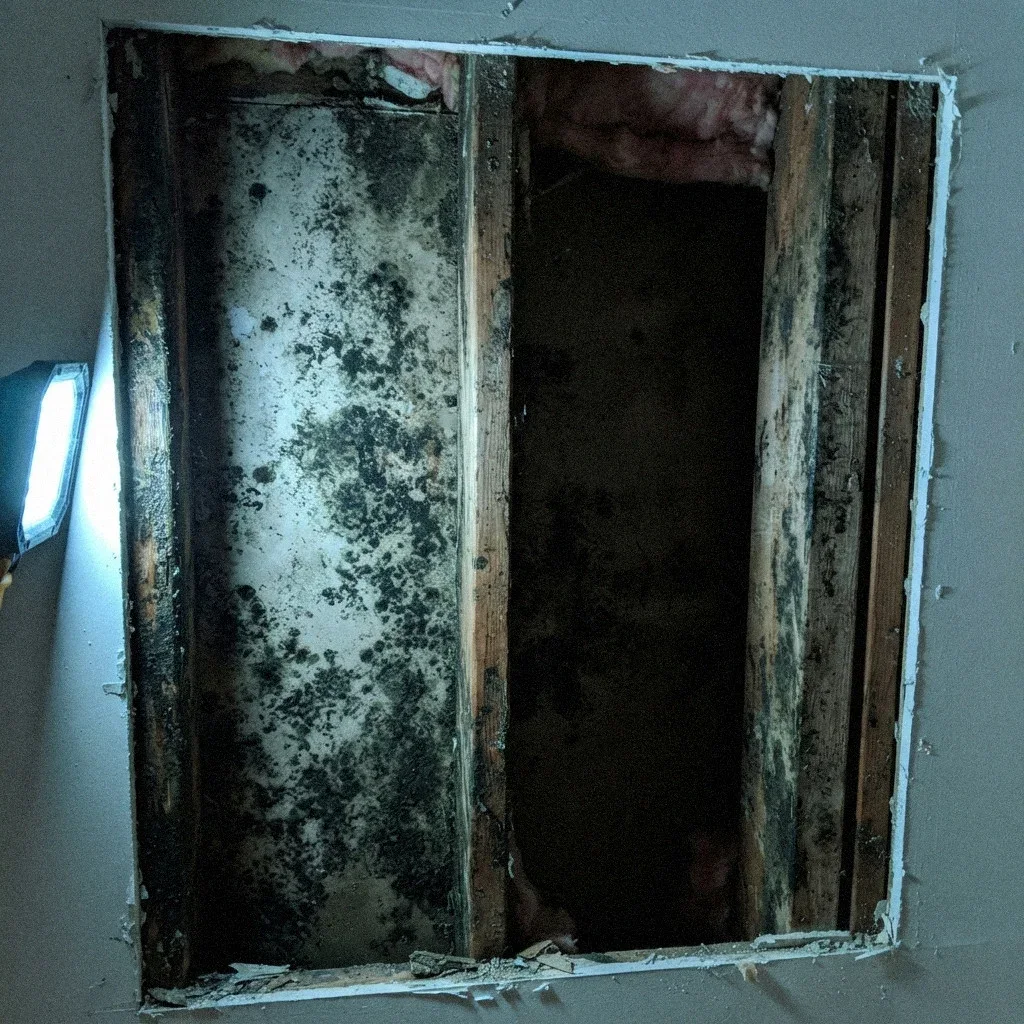
Once containment is up, removing affected material is often the quickest stage of the day. Drywall, insulation, or baseboard that cannot be cleaned gets cut out, bagged inside the containment, and carried out through the sealed path, not through the rest of the house. Surfaces that can be cleaned rather than removed are treated on site. This stage moves fast because the slow work already happened during setup and inspection.
Drying Comes After Removal
Expect the first hour to be setup, not removal. The licensed pros will walk the space, confirm what is affected, and hang plastic sheeting to separate the work zone from the rest of the house. A negative air machine or an air scrubber usually goes in next, and that is the noise you will notice most, a steady mechanical hum rather than anything sharp. Furniture and rugs in the work zone get moved or bagged before any cutting starts, since dust control matters more once material is actually disturbed.
Containment Comes Down Last
Plastic sheeting stays up until drying is confirmed complete, not just until the visible mold is gone. Taking it down early risks releasing dust and debris that settled during removal into the rest of the house. When it does come down, it is folded inward from the top so anything trapped on the inside face does not fall into the room. The area gets a final wipe-down before the containment is fully removed.
The Walkthrough at the End
Before the job is called finished, expect a walkthrough of the work area with the licensed pros we connect you with, pointing out what was removed, what was cleaned, and any material that was left in place because it tested fine or is structural. This is the moment to ask about anything you are not clear on, since the containment will already be down and the area will look close to normal again.
What the Job Does Not Cover
Toward the end, the crew reviews what came out and what stayed, and points out any wood or drywall that still needs to dry before it gets closed back up. Containment plastic comes down last, not first, so dust from the work stays inside it until cleanup is finished. Ask what was treated for moisture and not just cut out, since a room can look finished and still have a damp stud behind the new board. That question matters more in a city like San Diego, where the growth is usually about humidity, not a leak.
How Long the Whole Job Takes
A single bathroom or closet job can be done in a day for removal, with drying running longer in the background. A larger job spanning multiple rooms, maybe a Clairemont or Linda Vista home with a shared attic space, takes longer to contain and longer to dry. There is no fixed number that applies to every house; the walkthrough at the start is what sets the real timeline for yours.
Where to Read More First
This post covers the day itself, not the decision to hire someone or what the work should cost. If you are still deciding whether a job needs a professional at all, or want the fuller breakdown of the removal process, those questions are covered in the site's guides rather than repeated here. This page is meant to be read once you already have a date on the calendar.
Dealing with this in your home?
Mold in San Diego rarely starts with a storm. Marine air off the coast meets a cool interior surface, or an air conditioner drips quietly behind drywall, and growth begins without a drop of rain. A 1950s tract house near Clairemont Mesa Boulevard and a Craftsman near South Park fail the same way: moisture first, staining second. Bleach handles the color. It does not handle the source.