Health & Safety
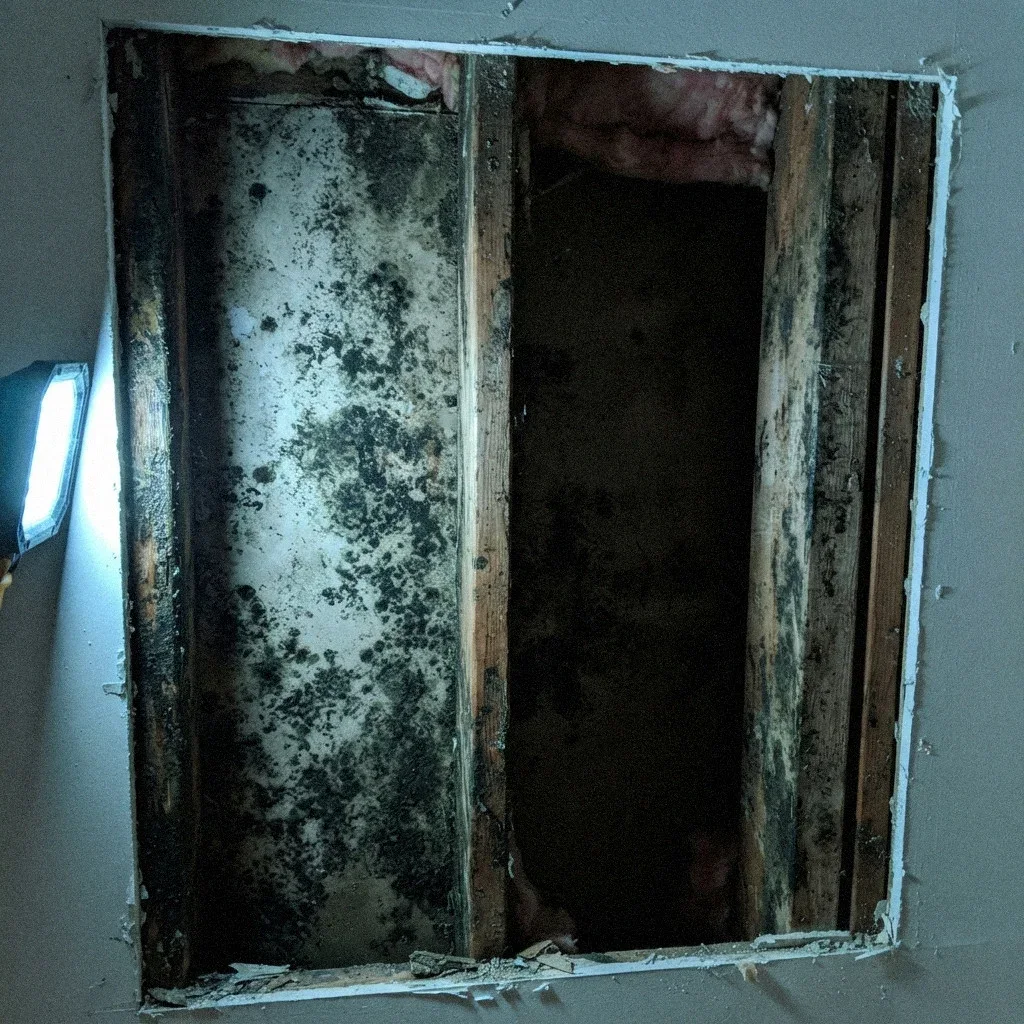
Is Black Mold Dangerous in San Diego?
Black mold sounds like a diagnosis. It is a color, not a species and not a health verdict. Here is what is genuinely established, and what is just internet noise.
Read article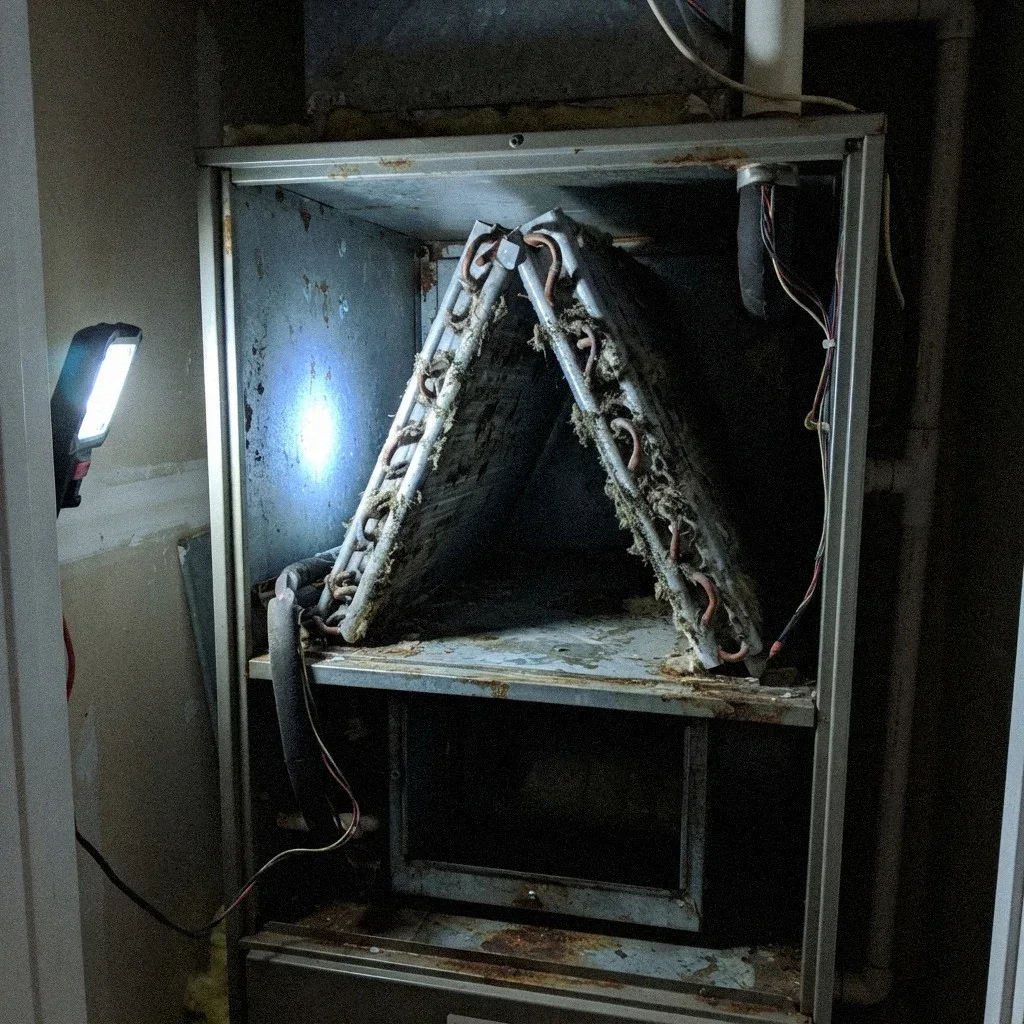
Practical humidity and ventilation fixes for San Diego's marine air.
Most people here find out they have a humidity problem the second time mold comes back in the same corner. San Diego gets very little rain and a great deal of damp air, so the moisture that feeds growth arrives quietly and overnight, through an open window or into a room nobody uses. Keeping it out has less to do with sealing the house up than with giving that wet air somewhere to go.
A pro checking humidity control starts at the bathroom fan, because so many homes near El Cajon Boulevard or Friars Road either lack one or vent it straight into the attic instead of outside. Next comes the air conditioning condensate line, then any single-glazed aluminum windows for condensation. Cost depends mostly on whether ducting needs rerouting through the roof, which takes longer on older Spanish-tile construction than on flatter rooflines.
Across San Diego County, whether you're in University City, Mira Mesa, Downtown San Diego, or elsewhere around San Diego, mold prevention & humidity control is worth arranging with somebody who works on this housing stock rather than a generic plan. Foundation type, soil and building age all change what has to happen first.
This is most often a home job — residential mold removal sets out what that involves, or see commercial mold removal if the property is a business or a rental.
Marine air off the Pacific Ocean carries moisture that condenses on cool interior surfaces long before any rain falls in San Diego. A single-glazed aluminum window fogging up overnight, a closet wall that stays cold and damp, or a corner near Mission Bay that never quite dries out are the early signs. None of these need a storm behind them. The fog rolling in off the coast most mornings does the work instead, quietly, for months at a time.
Watch for peeling paint above a shower stall, a ceiling stain below an attic hatch, or a faint sour odor that lingers after the extractor fan runs. In older Clairemont and North Park homes, a fan that pushes air into the attic instead of outside often leaves that smell behind. If it shows up every time steam builds up, the fan is likely the reason, not just the humidity.
A damp patch under a wall-mounted air conditioner, or a ceiling stain below an attic air handler, points at a condensate line rather than a roof leak. Homes in Mission Valley and inland neighborhoods run AC more than coastal ones and depend on that line draining freely. A clogged line backs water into the pan and cabinet slowly, so the stain often shows weeks after the actual blockage started.
The licensed pros we connect you with check indoor humidity levels room by room, paying particular attention to bathrooms, laundry areas and any room that runs an air conditioner.
Extractor fans get traced from the switch to their actual termination point, confirming whether they vent outside or dump into the attic space unfinished.
Air conditioning condensate lines and pans get checked for slow drainage or standing water, since a blocked line is a common hidden cause of ceiling and wall staining.
The homeowner gets a plain list of what to fix, in order, and what to check after a stretch of heavy marine fog, without a recurring plan or subscription attached.
San Diego houses run marine layer humidity through single-glazed aluminum windows and stucco walls with no wet season to expose a leak early. A slab-on-grade or crawl space home built before 1970 rarely got a bathroom fan vented outside, so moisture sits in wall cavities and attics year-round. Prevention here means managing indoor humidity and condensate paths, not waiting for a rainy season that barely comes.
There is no legal ceiling on indoor humidity in San Diego, but most building scientists point to a range in the low-to-mid thirties through the fifties as workable for a coastal city like this one. A cheap hygrometer near Mission Valley or any low-lying block will tell you more than a guess. Above that range for long stretches, window condensation and musty corners become routine rather than occasional.
Bathroom extractor fans should vent to the outside air, not into the attic, and the duct run should be as short and straight as practical. Homes near Mission Beach and Bay Park with original 1950s and 1960s bathrooms often have a fan that was never ducted outside at all. Checking where a fan actually terminates, on the roof or through a wall vent cap, is a five-minute job worth doing once.
These are the figures we quote most often for mold prevention & humidity control. Size of the property and how far the problem has spread move the number.
| Cleaning Alone | Fixing The Moisture | Doing Both |
|---|---|---|
| A house near the coast can go all summer without a drop of rain and still grow mold on a closet wall, because the trigger here is marine air condensing on a cool surface, not storm water. Inland toward El Cajon Boulevard the air runs drier, so the same house behaves differently a few miles apart. | Visible surface growth in one small room | an estimated $300–$2520 |
| Houses built in different decades fail in different ways. Older bungalows with single-pane windows condense differently than a 1960s tract house on a mesa, and a 1980s build with central air has its own condensate paths. Housing era predicts the moisture problem more than the neighborhood does. | Containment, material removal, drying, and disposal | an estimated $350–$3600 |
| The marine layer that cools San Diego mornings in summer is the same humidity that condenses on a cold window or an air conditioning line. Locally this is May Gray and June Gloom, and it is a mold driver most homeowners never connect to their own patch of growth. | Attic, crawl-space, or duct access work | an estimated $525–$5760 |
| A dry climate does not mean a dry house. Slab foundations and crawl spaces trap moisture differently than the wet-season markets most mold advice is written for, so guidance built for a rainy climate does not transfer cleanly to a city where the mold driver is humid air, not rainfall. | Final cleaning and clearance work when requested | an estimated $840–$9600 |
Cost swings less with the color or smell than with how the leak or condensation got found and stopped. Two jobs of the same size can price apart because one crew opened a wall to trace a drip and the other sprayed the surface and left, which shows up later as a callback nobody wanted.
Aim to keep indoor relative humidity in the 30 to 50 percent range. A cheap hygrometer from a hardware store tells you where you stand. In coastal San Diego neighborhoods without air conditioning, marine layer humidity can push a closed-up house above that range even in dry summer weather, so cracking windows or running a fan on foggy mornings helps more than people expect.
It should vent through the roof or an exterior wall to open air, never into the attic. Many older San Diego houses, especially around North Park and City Heights, have a fan ducted only a foot or two into the attic space. Look at the roof from outside for a vent cap, or check the attic itself for a duct that simply stops in open space.
Yes. Check where the air handler's drain line exits and clear it if algae has slowed the flow, since a stopped line lets water back up into the cabinet and drip through the ceiling below. Run bathroom fans until steam clears rather than for a fixed number of minutes, and confirm the duct ends outside rather than in the attic over Clairemont or Linda Vista framing.
Yes, and it needs to happen regardless of rainfall. San Diego mold is driven by marine humidity meeting cool surfaces and by leaks that go unnoticed with no wet season to reveal them, not by storms. A house in Clairemont or Linda Vista can grow mold through a completely dry summer if a fan vents wrong or a condensate line backs up.
Walk the house and check window sills, closet corners on exterior walls, and under any AC unit for dampness. A run of heavy marine fog along the coast, from Sunset Cliffs up through La Jolla, raises indoor humidity even without rain, and that moisture settles fastest in rooms with poor airflow. Catching a damp patch within a day or two, before it sits, is what keeps it from becoming a bigger job.
No. This is not sold as a subscription or a recurring service plan. It is a one-time visit from the licensed pros we connect you with to check ventilation, humidity levels and condensate paths, and to point out what maintenance actually matters going forward. Ongoing monitoring is something the homeowner does with a hygrometer and a bit of attention, not something billed monthly.
Testing gets asked for a lot, and it is usually the wrong first step. If you can see the patch and smell the musty air, spending money to confirm what you already know skips the harder question: where is the moisture coming from. Fix that source first, then decide whether cleanup needs a professional at all.
No agency publishes a number that marks indoor mold as safe, so a test cannot tell you the air is fine. Visible growth is usually enough to act on without lab work. What matters is finding the moisture source, drying it out, and removing the material it grew on, not naming the organism first.
Black mold sounds like a diagnosis. It is a color, not a species and not a health verdict. Here is what is genuinely established, and what is just internet noise.
Read article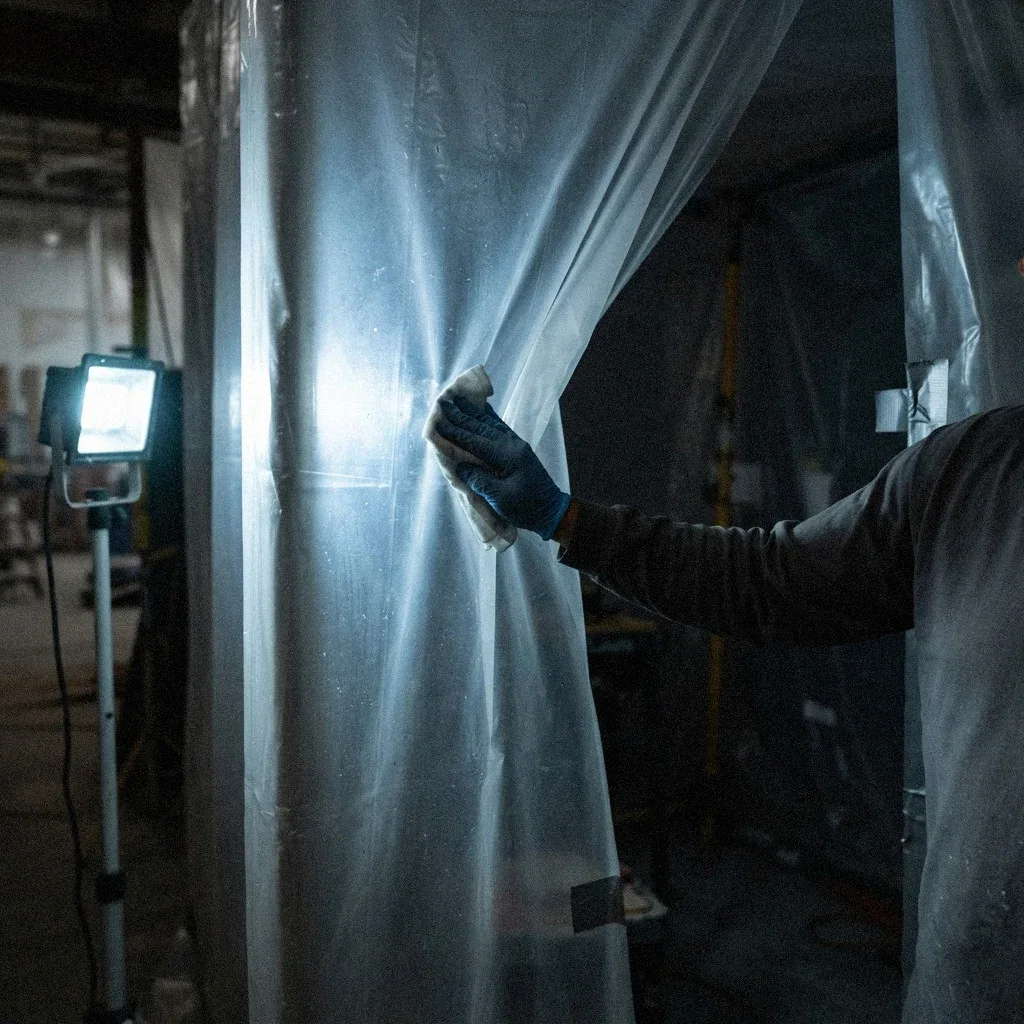
Wiping visible mold off a wall in San Diego rarely ends the problem, because the growth was never the actual issue. The moisture behind it was, and surface cleaning does not touch that.
Read article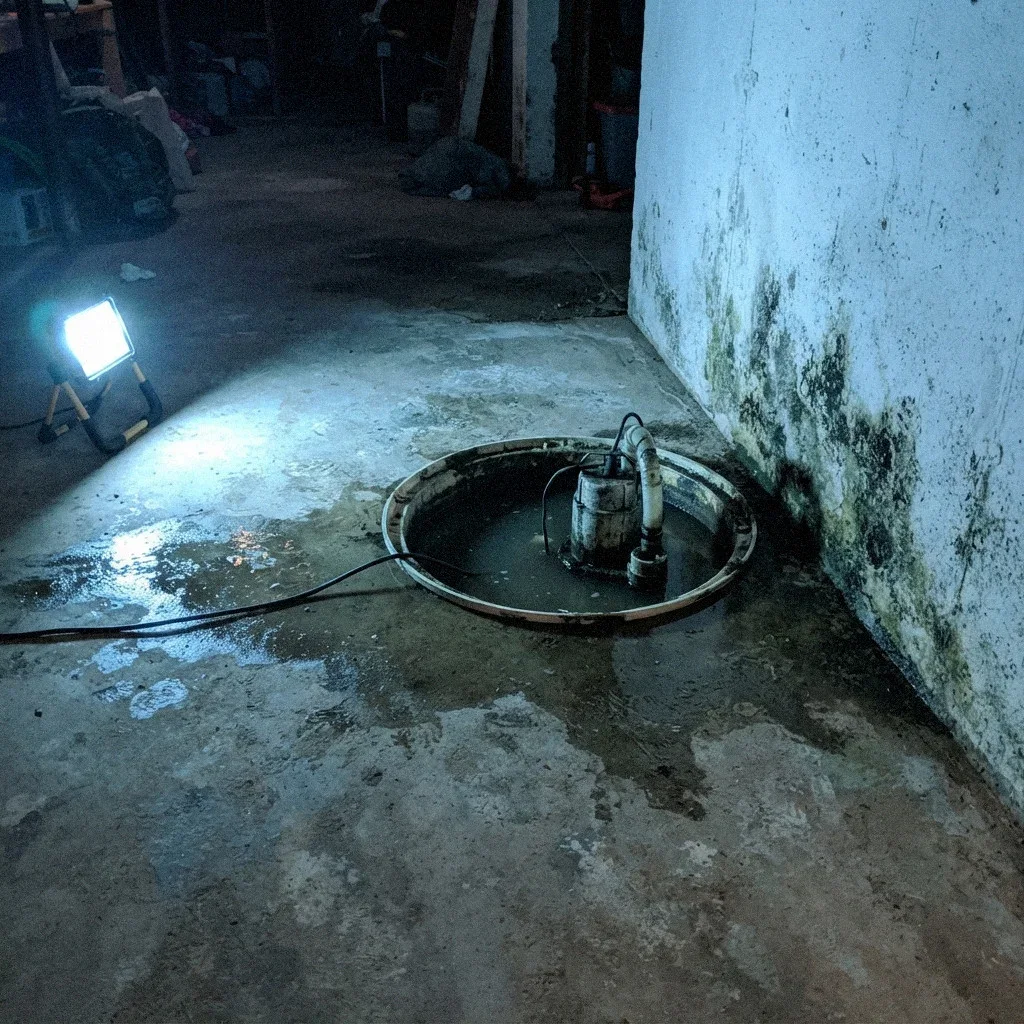
A musty odor in a San Diego house is usually moisture, not dirt. Here is how to tell ordinary dampness from a mildew smell that points to hidden mold, and what to check first.
Read articleThis is one piece of a larger job, and it rarely stands alone. A leak that stains a ceiling in Kensington or a condensation line in a Pacific Beach bathroom usually needs both the moisture stopped and the growth removed, in that order. The licensed pros we connect you with in San Diego can tell you on the call whether this service covers what you're dealing with or whether the source needs attention first. Call Now: (619) 833-1053 and describe what you're looking at.
Call (619) 833-1053