When Warm House Air Meets a Cold Roof in San Diego, CA
Attic mold from trapped moisture, not always a roof leak.
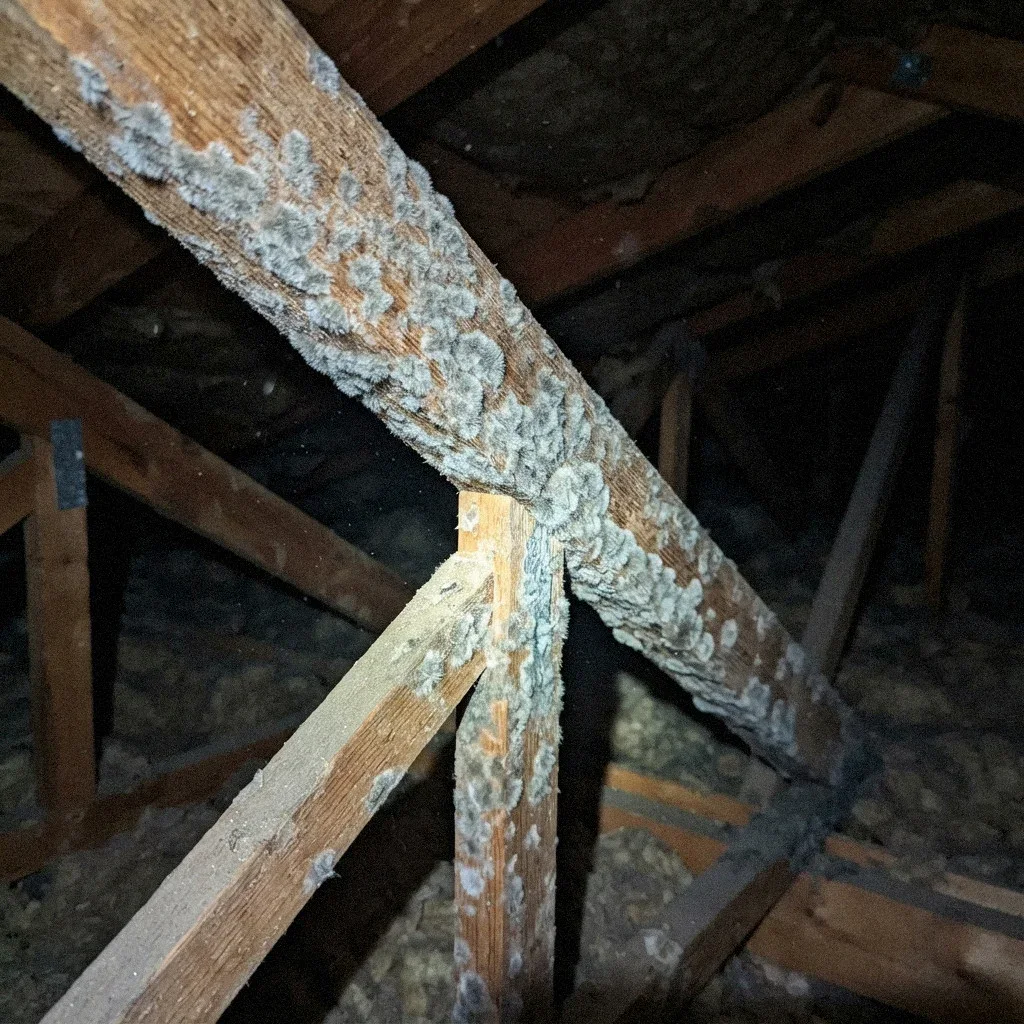
A dark stain spreading across the plywood above the insulation in a Clairemont or Serra Mesa attic rarely starts with a roof leak. It starts with a bathroom fan that dumps warm, damp house air into the roof space instead of outside, or a soffit that never got a baffle. The underside of the sheathing is the coldest surface in the house on a marine-layer morning, and that is where the moisture lands.
A pro checking attic mold removal starts at the fan ducting, not the shingles: where it terminates, whether baffles keep insulation off the vents, and whether ridge and soffit vents actually move air. Access through a scuttle hole in a 1950s Bay Park or Allied Gardens house adds time before any cleaning starts. Contaminated insulation usually comes out rather than getting treated, and the airflow fix travels with the price, not as an add-on billed later.
Across San Diego County, whether you're in Mission Valley, Old Town, Point Loma, or elsewhere around San Diego, attic mold removal is worth arranging with somebody who works on this housing stock rather than a generic plan. Foundation type, soil and building age all change what has to happen first.
For a private home, residential mold removal sets out what a visit involves. For a shop, office, or tenanted building, commercial mold removal is the right starting point.
Signs You May Need Attic Mold Removal
Dark Staining on the Sheathing
A musty smell noticed in an upstairs bedroom or hallway closet, stronger on humid mornings, often points to the attic above rather than anything inside the room. In San Diego, where marine layer fog keeps morning humidity high along the coast and inland alike, that smell is frequently the first sign anyone gets before dark patches show up on sheathing during an attic entry for another reason entirely.
A Musty Smell From the Ceiling
Insulation is often the first casualty. Once the paper facing or loose fill has taken on moisture near Mission Trails Regional Park homes and others across San Diego, it loses its R-value and stays damp against the underside of the sheathing, which keeps the growth going. Pulling stained insulation is normal here, not a sign the job grew, and replacing it is part of stopping the cycle rather than a separate charge.
Damp or Matted Insulation
Insulation that looks matted, discolored, or compressed in patches, rather than evenly fluffy across the attic floor, usually means water has been dripping or condensing onto it from above. This shows up in older San Diego homes near El Cajon Boulevard and University Avenue with minimal soffit venting, where insulation sits close against the roof deck with no airspace and takes on moisture the same way a sponge would.
Our Attic Mold Removal Process
Attic Inspection in San Diego CA
An attic entry to inspect sheathing, rafters, and insulation directly, checking for the extent of growth, moisture readings in the wood, and whether ventilation components like soffit vents or baffles are present or missing.
Containment Set Up in San Diego CA
Containment set up around the attic access point before any disturbance of moldy material, keeping spores from moving into bedrooms and hallways below through the hatch during removal work.
Removal and Cleaning in San Diego CA
Removal of contaminated insulation and treatment of affected sheathing and framing, using methods suited to structural wood rather than surface-only cleaning that would leave growth underneath.
Airflow Fix in San Diego CA
Correction of the airflow fault found during inspection, such as rerouting a bathroom fan duct outside, adding soffit baffles, or clearing blocked vents, followed by replacement insulation where needed.
Why this matters
Attic framing in San Diego houses is often original single-layer sheathing with minimal ventilation, especially in older neighborhoods like North Park and Kensington. Once a bathroom fan vents into that space instead of outside, warm moist air has nowhere to go but into cold roof timber. Mold follows fast, and insulation stays wet underneath it, holding moisture against the wood long after the air itself has dried out.
Code-Compliant Attic Mold Removal in California
IICRC S520 as the Reference Point
San Diego attics were mostly built for a mild climate, not for managing indoor humidity, so many have no ridge vent, no soffit baffles, or both. Marine layer fog rolling in off the Pacific Ocean keeps outside air damp for hours some mornings, and without a clear path for air to move through the attic, that moisture and whatever the house adds to it just sits against the roof deck.
Ask What the Contractor Holds
A lot of San Diego bathroom fans, particularly in houses built before extractor fans were routinely ducted outside, still exhaust straight into the attic instead of through a roof cap. Neighborhoods like Talmadge and Normal Heights have plenty of this vintage housing stock, and it is one of the most common single causes found once someone actually gets up into the attic to look.
What You Would Pay for Attic Mold Removal
Here is roughly what attic mold removal runs locally. Treat it as a guide — the property itself decides where inside the range you land.
| Best Suited For | What It Finds | What It Misses |
|---|---|---|
| A licensed pro walks in looking for water, not color. Where a surface is wet, why it stayed wet, and what is feeding that moisture over time. Skip that question and any quote is a guess dressed up as a number, because the same patch comes back once the visit ends. | Drying for a limited, easy-to-reach area | an estimated $935–$6825 |
| Anyone can spray a chemical on a stain and call it remediation. A licensed pro checks moisture readings, traces the source, and only then decides what gets removed versus cleaned. That sequence is the entire difference between a fix and a repeat visit six months later. | HEPA cleaning for one affected room | an estimated $1100–$9750 |
| A quote that skips the moisture question is a price on half a job. The licensed pros we connect you with start by finding where the water is coming from, because removing growth without stopping its source just buys the same house a second remediation later. | Several rooms or a hard-to-reach cavity | an estimated $1650–$15600 |
| Sealing off the work area matters because disturbed growth releases particles into air that was clean a minute earlier. A tented, negative-pressure section keeps that particle load from settling in a hallway near Lake Murray or drifting through the return vents into a bedroom three rooms away. | Multiple containment zones and extensive removal | an estimated $2640–$26000 |
Two quotes for the same visible patch can differ widely because one bid covers only the moldy surface and the other covers the moisture behind it. The lower number often means the job gets repeated. The licensed pros we connect you with should explain what part of the price is the cleanup and what part is stopping the water.
Frequently Asked Questions
Do you have to replace all the insulation?
Not always. Insulation directly stained, wet, or matted from condensation usually needs replacing because it stays damp and cannot be reliably cleaned. Insulation nearby that is dry and untouched can often stay in place. The licensed pros we connect you with will look at each section rather than assume the whole attic needs to come out.
Is this from a roof leak or something else?
Usually not. Attic mold in San Diego more often traces back to warm household air condensing against a cold roof deck, especially where a bathroom fan vents into the attic instead of outside, or where soffit vents are missing or blocked. A real roof leak is possible too, so the cause gets checked before anyone assumes either one.
How does mold get into a closed-up attic?
Every shower, load of laundry, and pot of boiling water sends humid air upward through the house. If it has a path into the attic, whether through a fan duct, a gap around a light fixture, or an attic hatch, it hits the cold underside of the roof on foggy San Diego mornings and condenses there, feeding mold on wood and insulation.
How do you get up into the attic to check it?
Sheathing and rafters can often be cleaned and treated rather than replaced, since structural wood is usually sound underneath surface growth. Insulation is different: once it has absorbed moisture it tends to stay contaminated and loses its effectiveness, so it is more often removed and replaced than cleaned.
Why did my insulation get pulled out with the mold?
A single-family attic with one contained area of growth is often finished within a day. Larger jobs involving insulation removal, sheathing treatment, and correcting the ventilation fault can take a few days, particularly if soffit baffles need adding or a fan duct needs rerouting to the roof or a gable vent.
Will you also fix the fan causing the problem?
Removing the mold without addressing why it grew back just delays the same problem. The licensed pros we connect you with typically identify the airflow issue, whether it is a fan venting into the attic, missing baffles, or blocked soffits, and address it as part of the same visit rather than leaving it as a separate call.
How much does attic mold removal cost in San Diego?
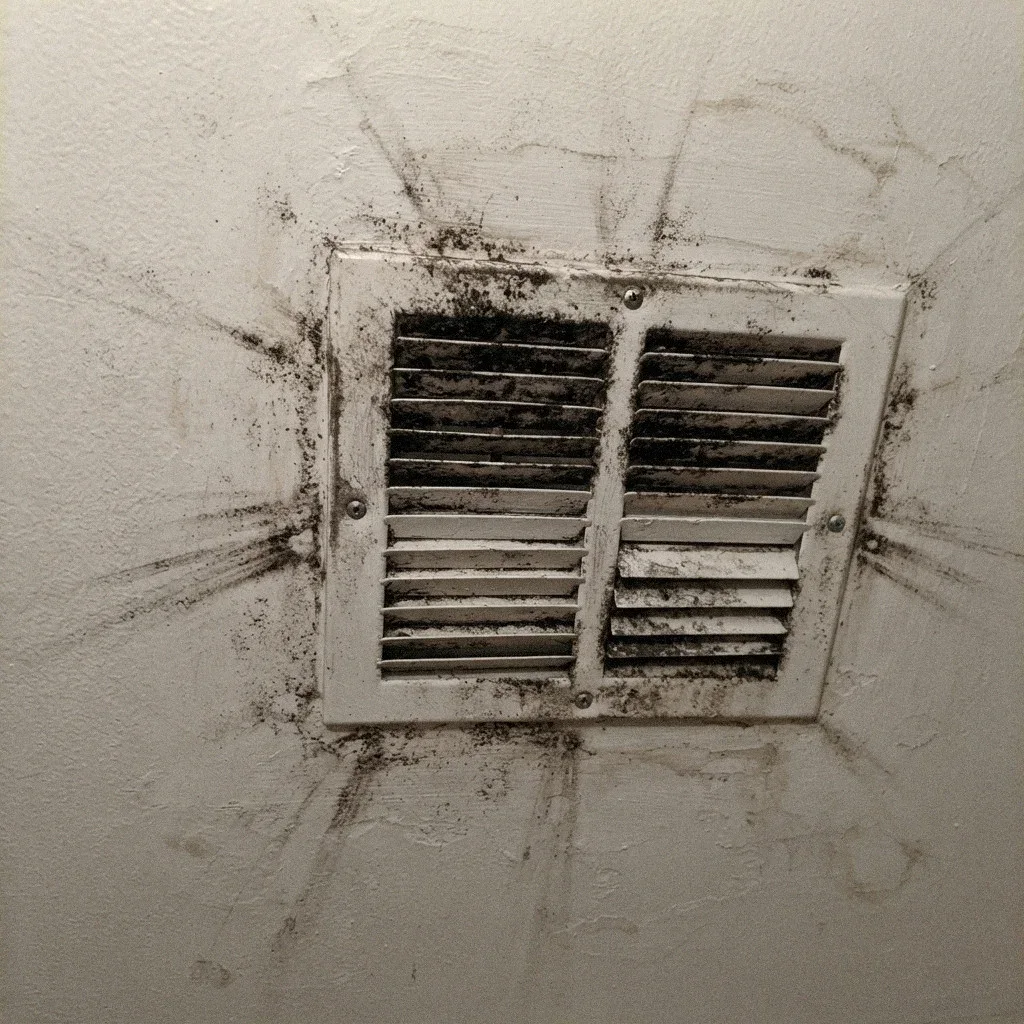
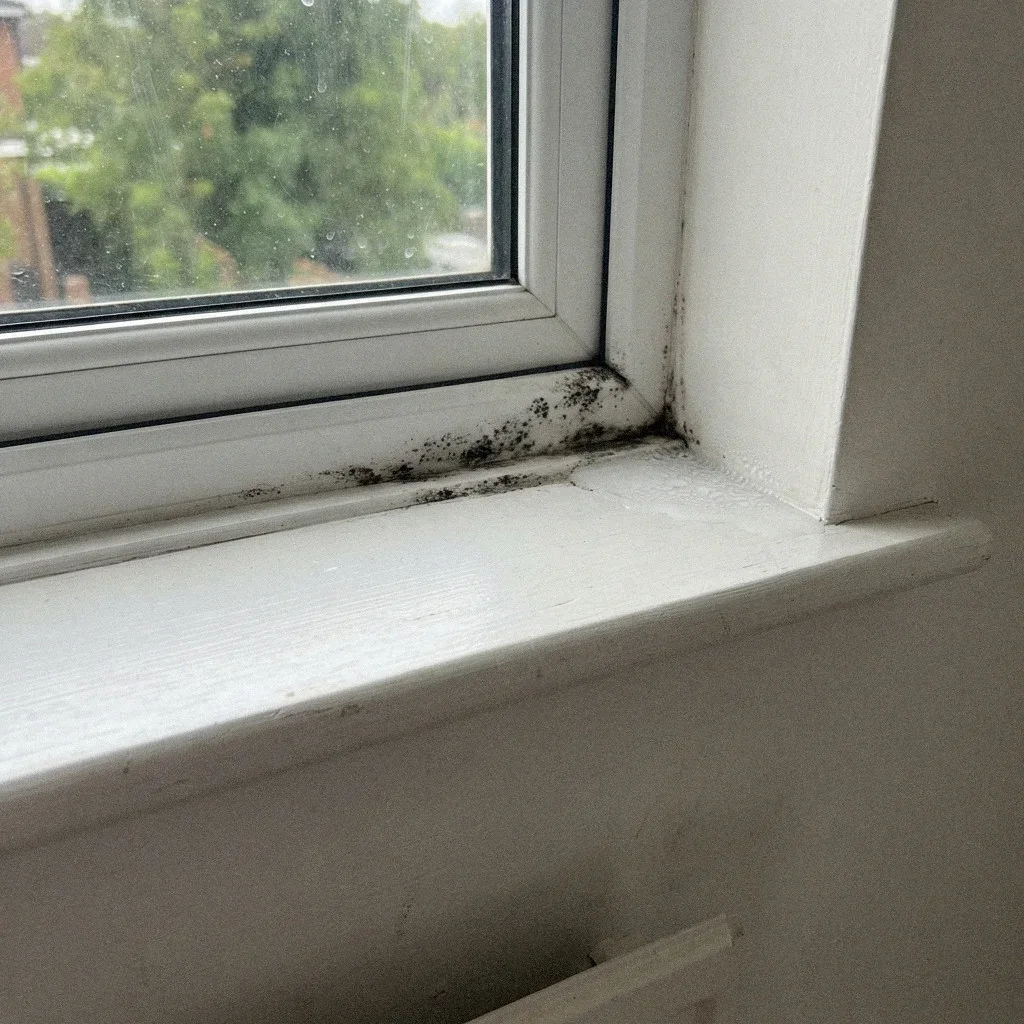
Mold needs moisture more than it needs a source of rain, which is why some of the driest months on record can still produce active growth on an interior wall. Marine air, air conditioning condensate, and a slow leak behind a fixture all supply enough dampness on their own. The climate outside a house tells you less than the surface temperature inside it.
Related Services & Areas
Talk through this specific job
This is one piece of a larger job, and it rarely stands alone. A leak that stains a ceiling in Kensington or a condensation line in a Pacific Beach bathroom usually needs both the moisture stopped and the growth removed, in that order. The licensed pros we connect you with in San Diego can tell you on the call whether this service covers what you're dealing with or whether the source needs attention first. Call Now: (619) 833-1053 and describe what you're looking at.
Call (619) 833-1053