Multifamily & Apartment Complexes
Commercial Property. Who pays, who is notified, and what stays open while a unit gets remediated.
See what this involves
Commercial buildings in San Diego run air conditioning across long dry stretches, and that condensate is a moisture source landlords rarely check. A property near Kearny Mesa or Miramar can have a rooftop unit dripping into a ceiling cavity for months before a tenant reports a smell. Mold here does not wait for rain. It waits for a cool surface and humid marine air.
Office suites near Kearny Mesa, retail fronts in the Gaslamp Quarter, restaurants along 30th Street: each carries its own moisture pattern, from packed occupancy loads to walk-in coolers to backroom stock nobody moves for months. The licensed pros we connect you with read the building before naming a cause, because a rooftop unit and a slab leak fail the same drywall differently.
Retail and office space built on the mesas above Mission Valley or out toward Sorrento Valley often has flat roofs and long duct runs, both common points where condensation collects unseen. Lease terms complicate who is responsible for a slow leak, but the moisture problem does not wait for that answer to get resolved on paper first.
A tenant or employee complaint about air quality is not something a lease clause or an air freshener resolves. Documentation matters for liability, and so does calling someone who checks the mechanism before the surface. Buildings near Convoy Street or Sorrento Valley face the same marine humidity as any house here, just on a bigger HVAC system.
Commercial Property. Who pays, who is notified, and what stays open while a unit gets remediated.
See what this involves
Condo & HOA. Where the association's liability ends and the unit owner's begins.
See what this involves
Hotels & Hospitality. Guest rooms, HVAC chases, and pool areas each hide moisture differently than a house does.
See what this involves
Food Service. Why a working kitchen changes how the job is staged and documented.
See what this involves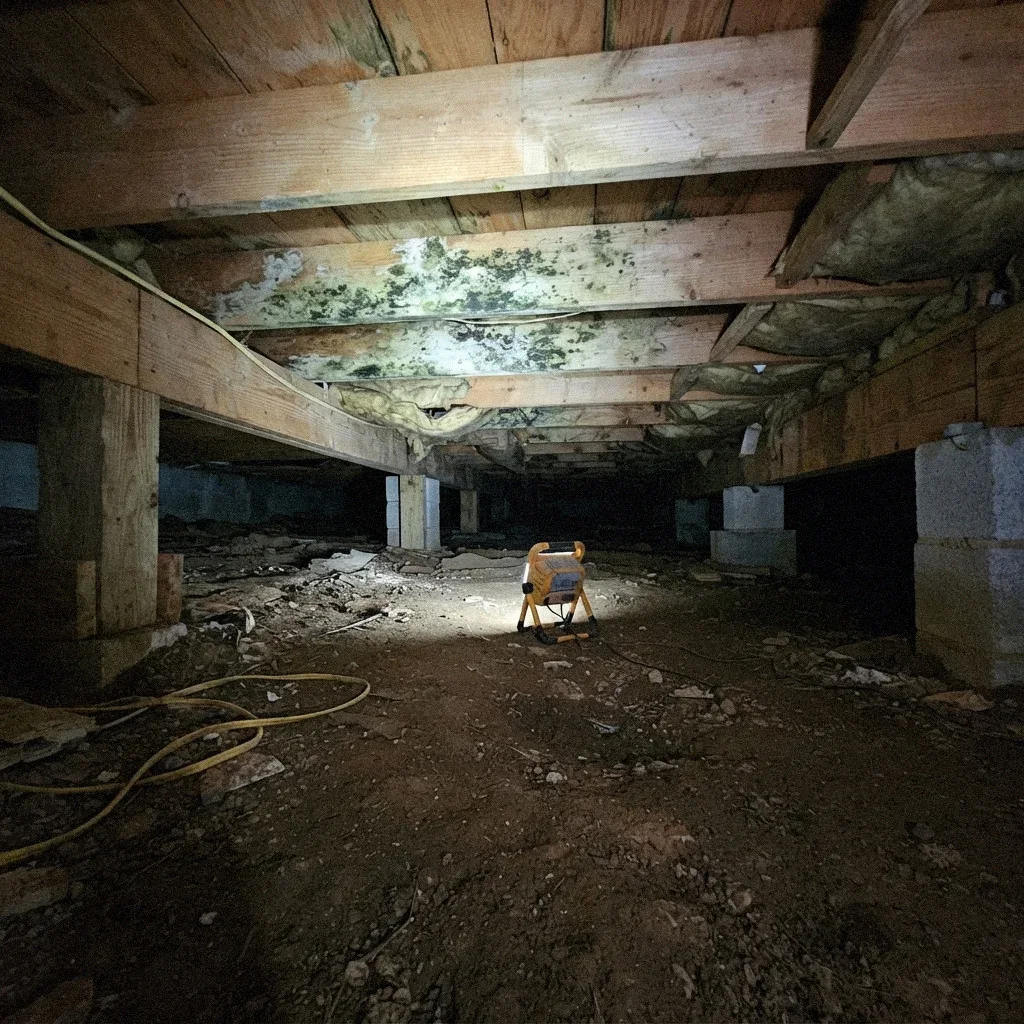
Commercial Mold. Occupied floors, shared air handlers, and a lease that decides who is responsible.
See what this involves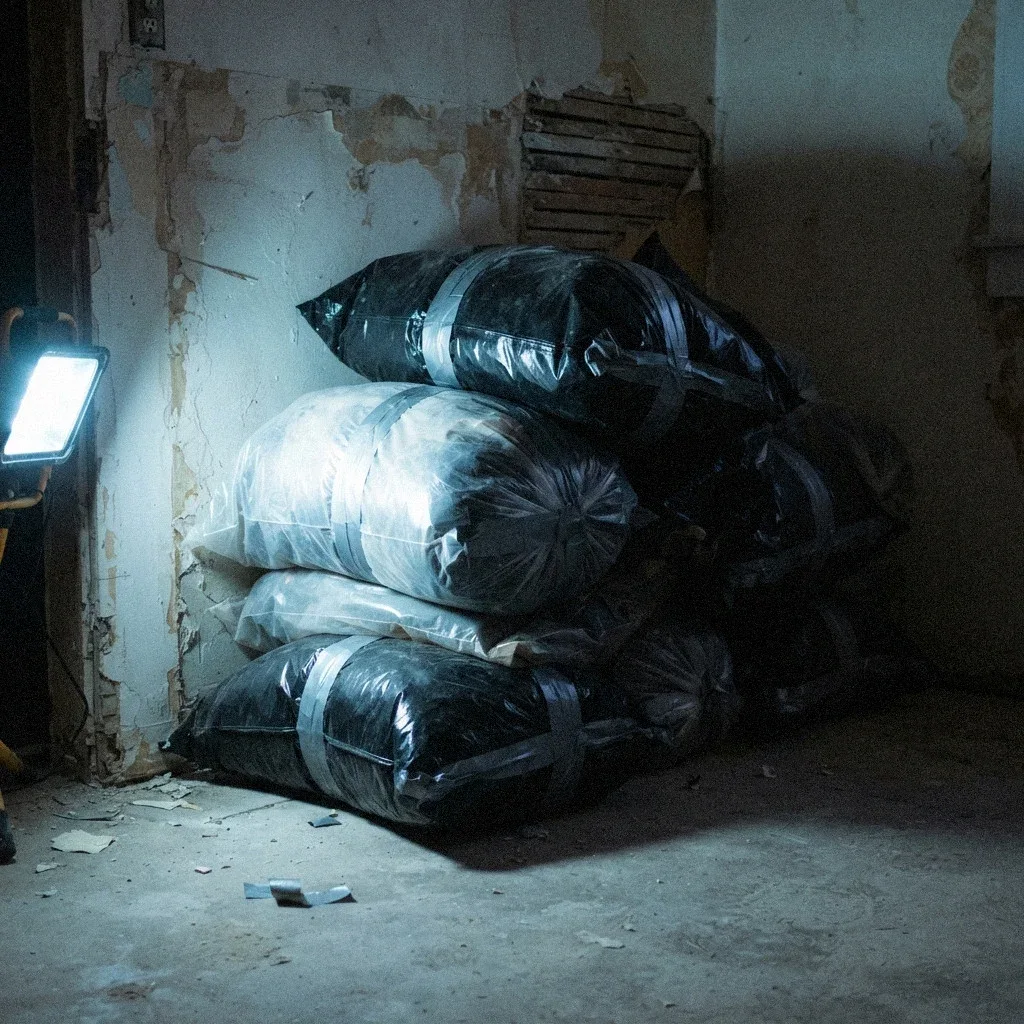
Healthcare Facilities. Vulnerable occupants and infection control change how the work has to be contained and documented.
See what this involves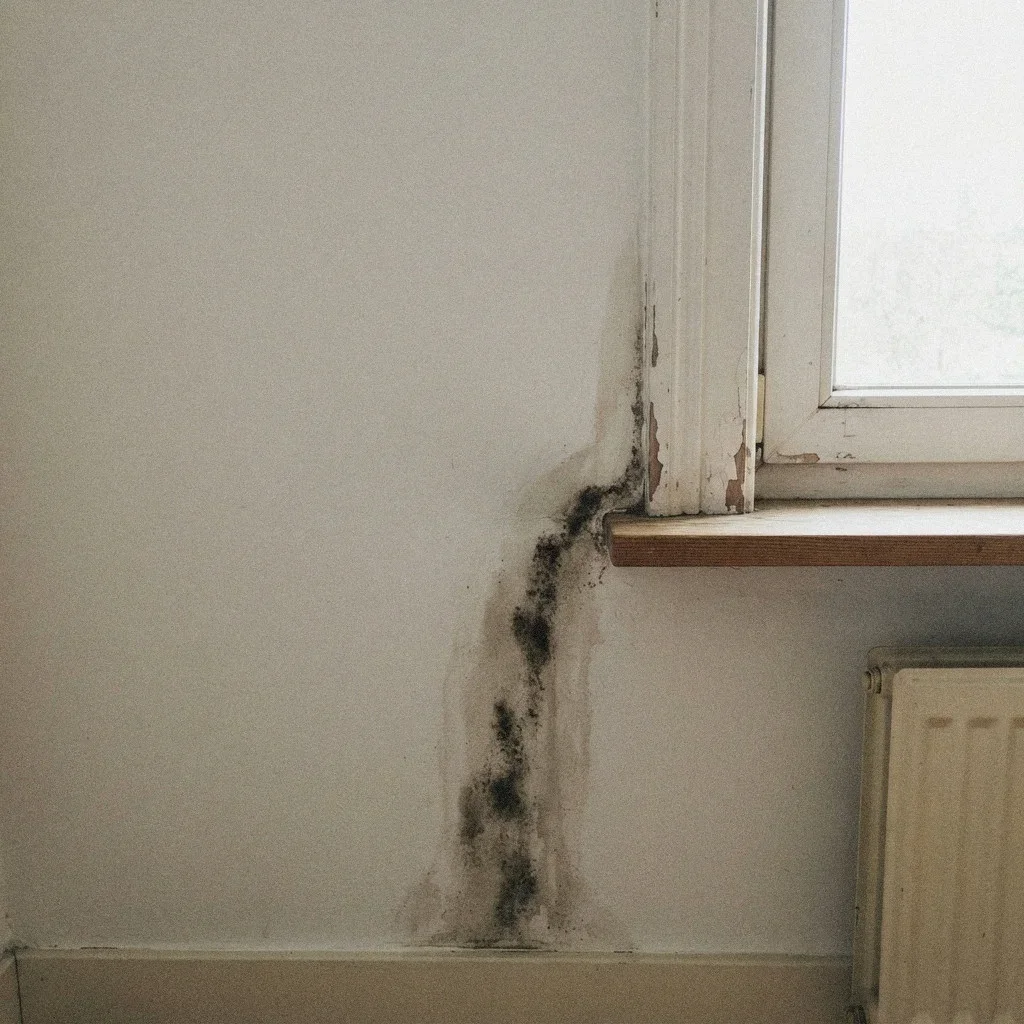
Commercial Mold. Metal envelopes, stored goods, and roofs nobody walks — different building, different problem.
See what this involves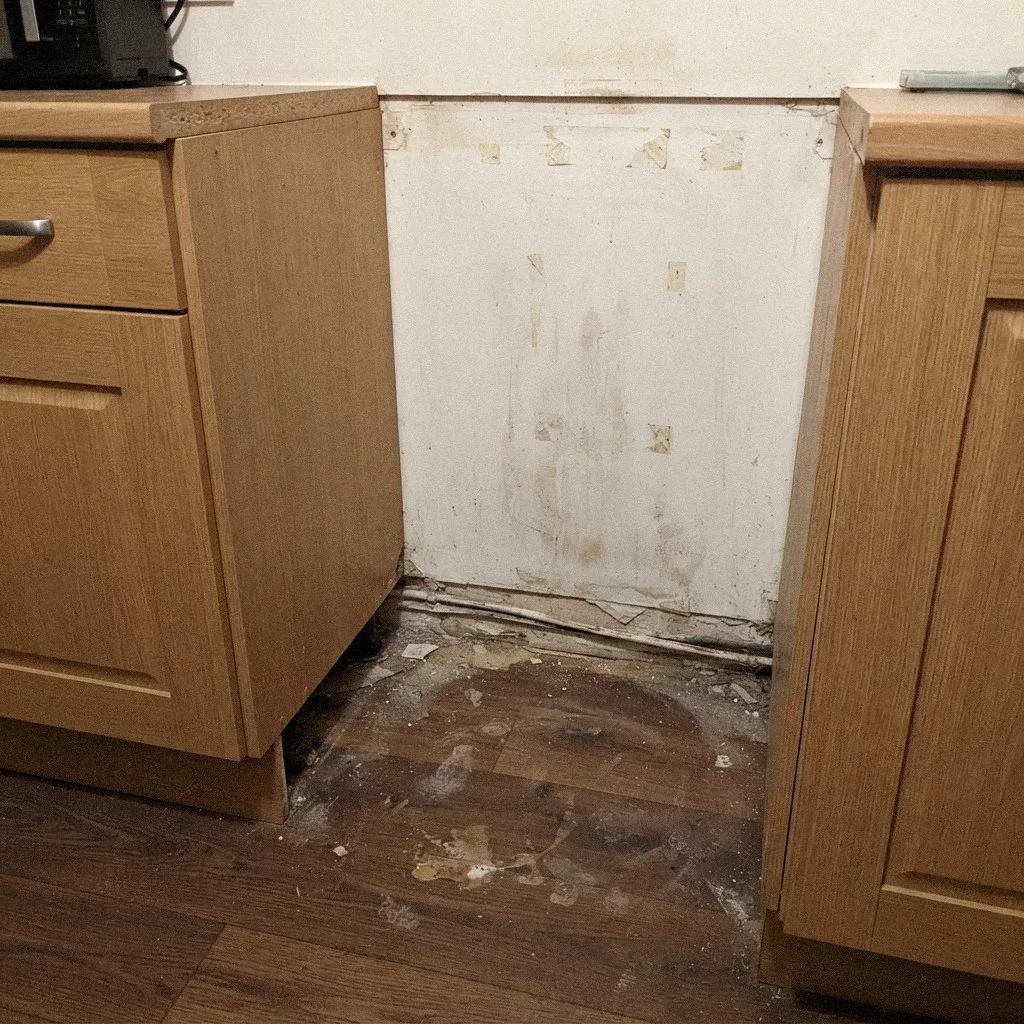
Nonprofit Buildings. Old buildings, thin budgets, and a hall that has to open Sunday no matter what.
See what this involves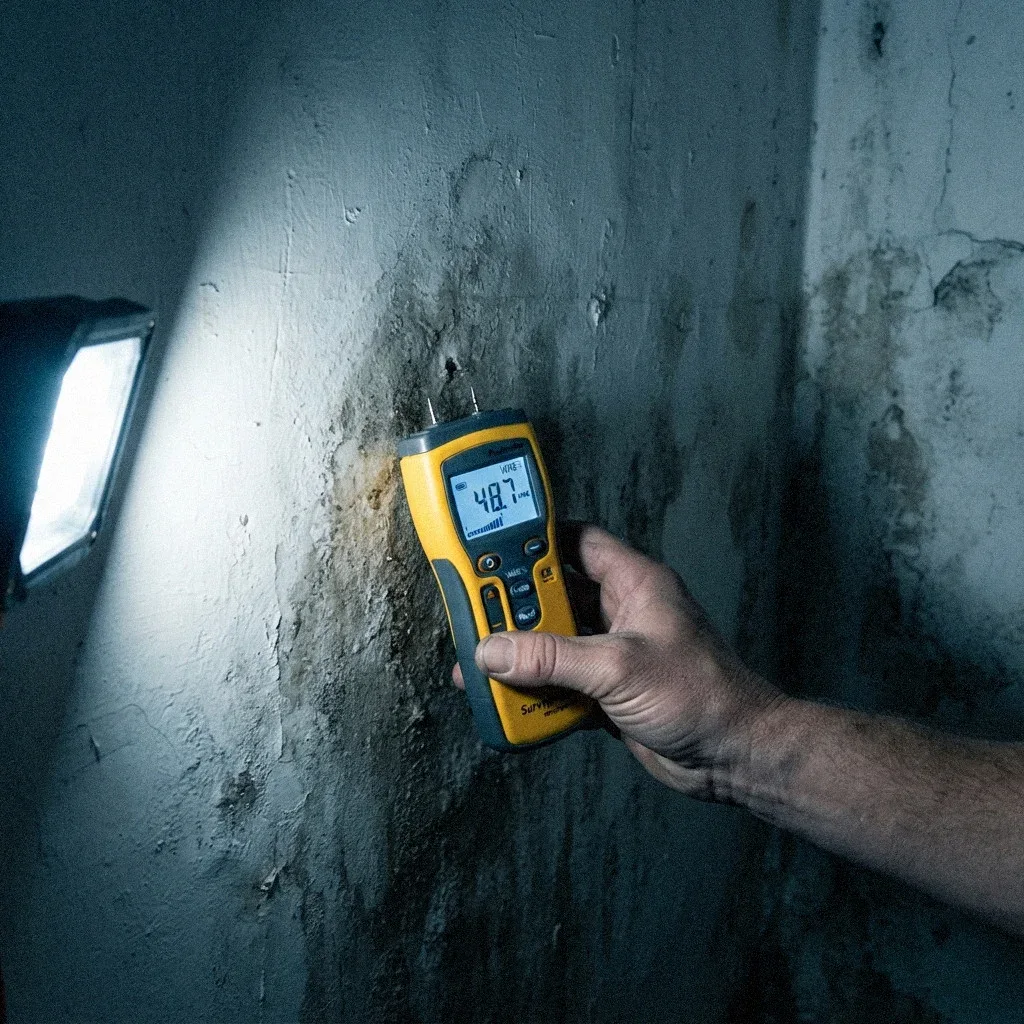
Moisture readings first, lab sampling when it helps, and a written report you can hand to a landlord, buyer or insurer.
Learn about Mold Inspection & Testing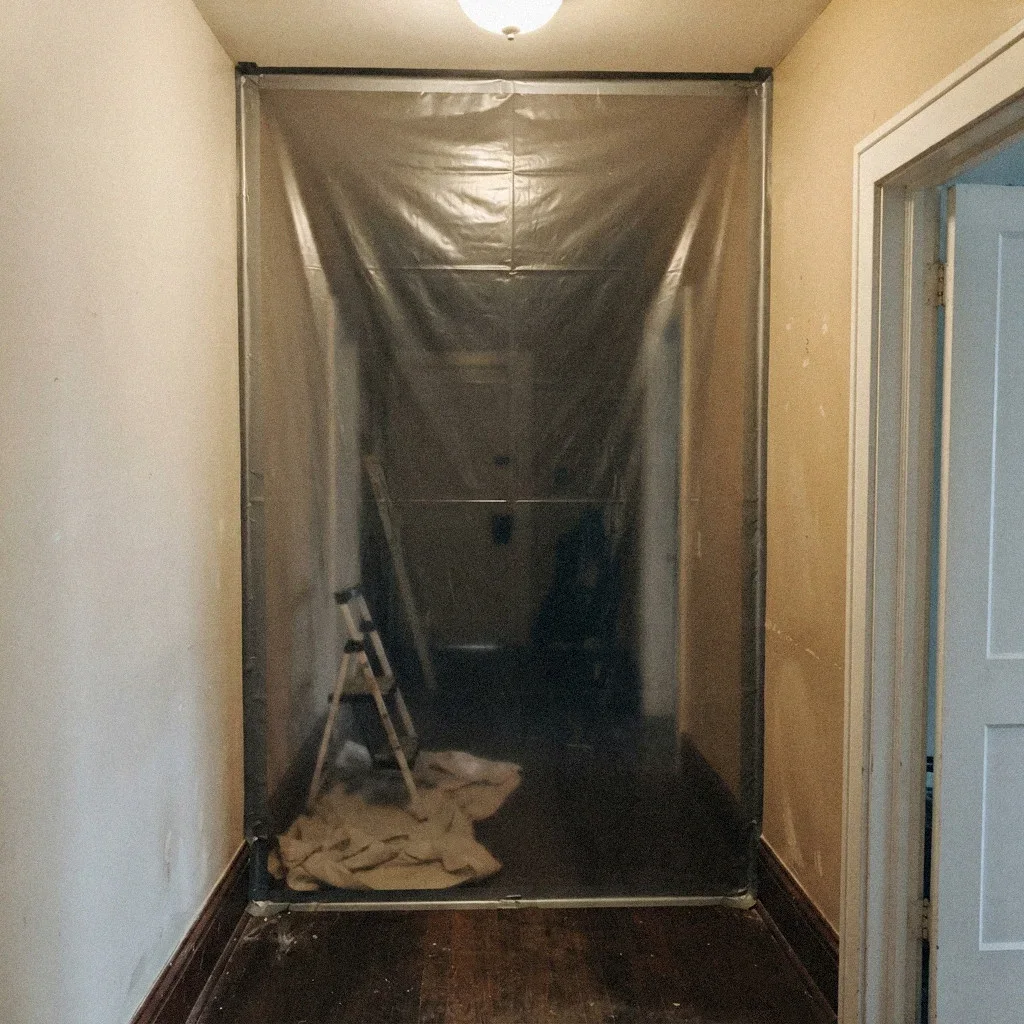
Containment, removal, and HEPA cleaning done in the right order, by licensed pros we connect you with.
Learn about Mold Remediation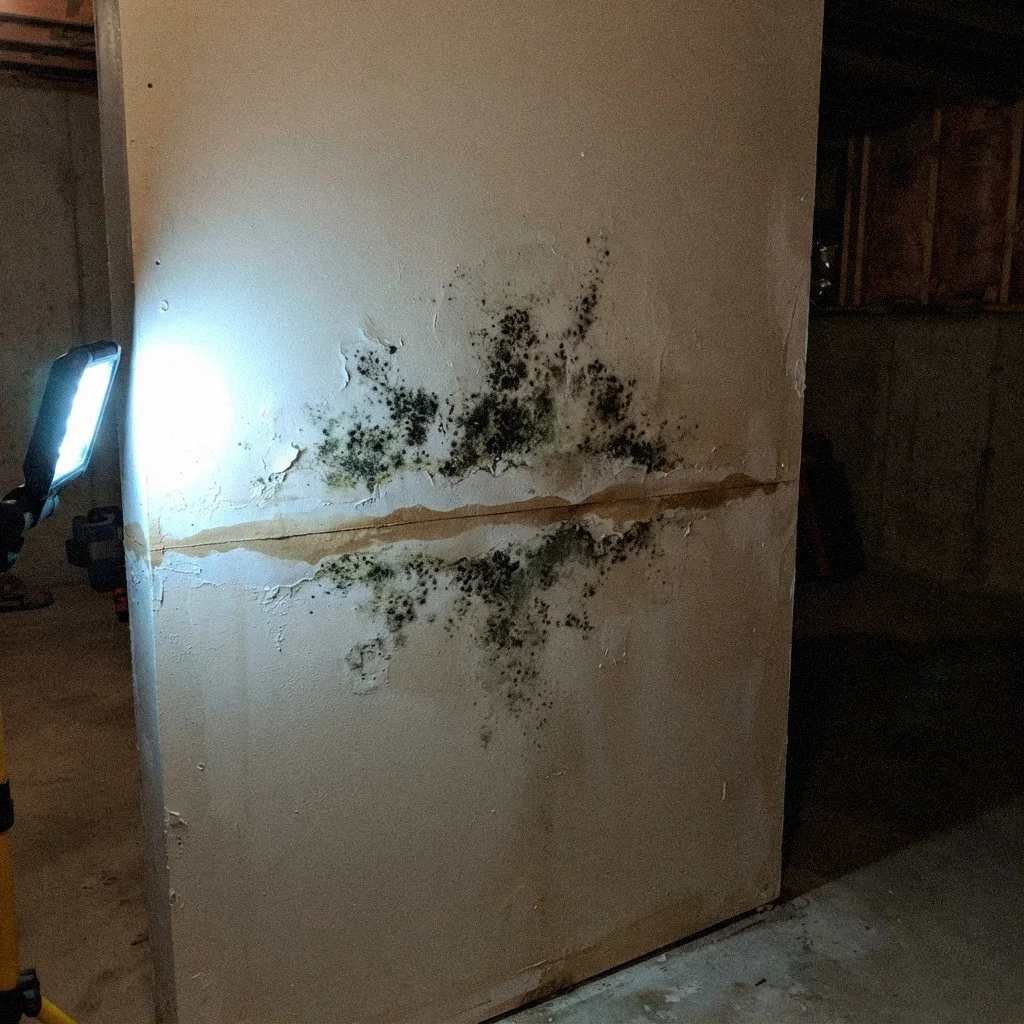
Dark mold on drywall or grout, removed by material, not by color. Call now for a straight assessment.
Learn about Black Mold Removal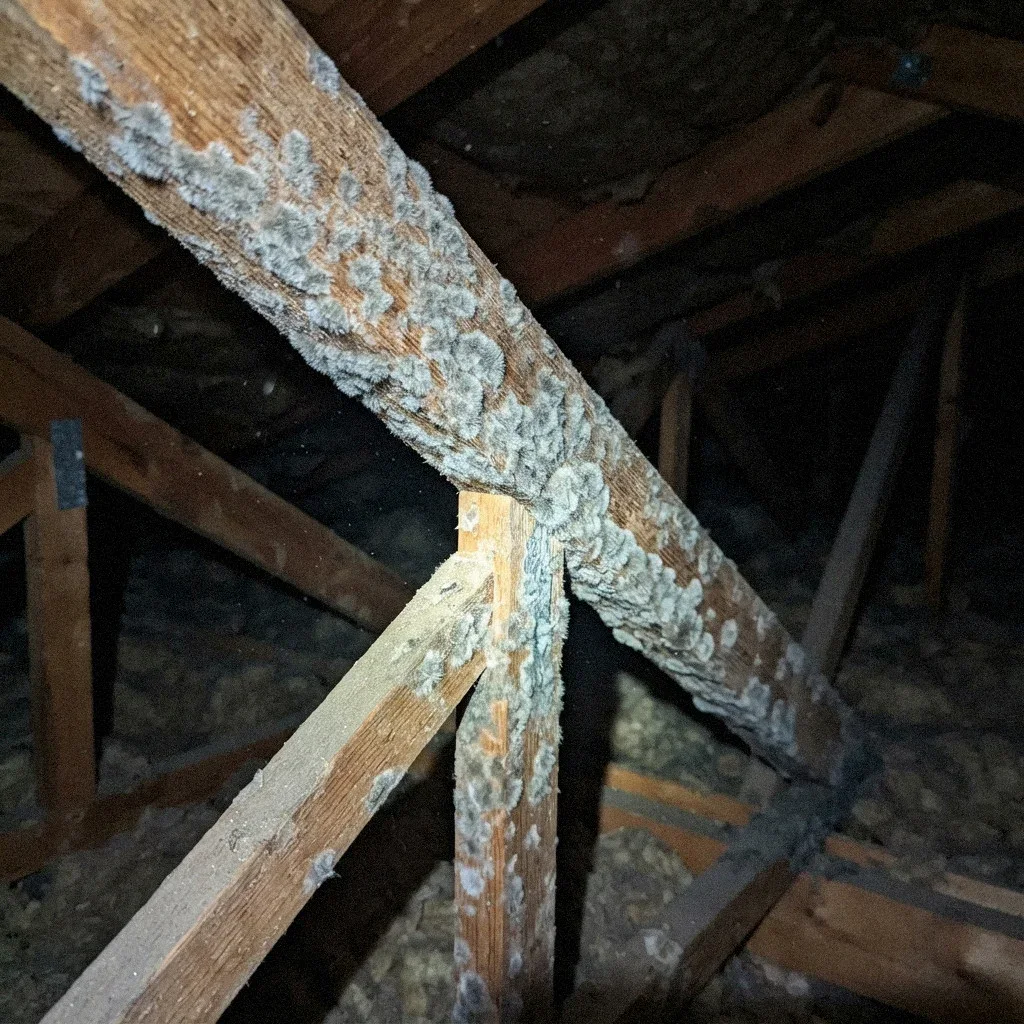
Attic mold usually comes from trapped moist air, not a roof leak. Get a local licensed pro on it now.
Learn about Attic Mold Removal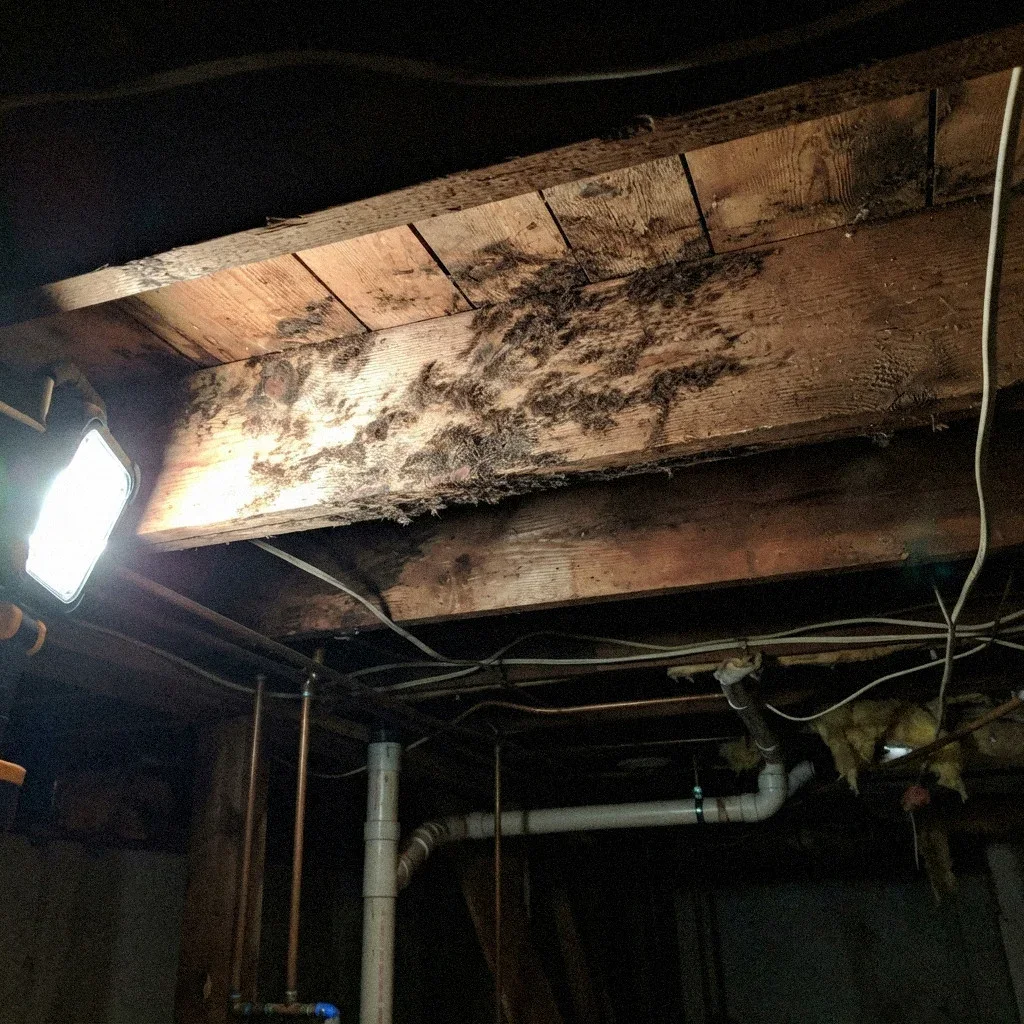
Licensed local pros clear mold from joists, subfloor and vapor barrier, then seal the ground. Call now.
Learn about Crawl Space Mold Removal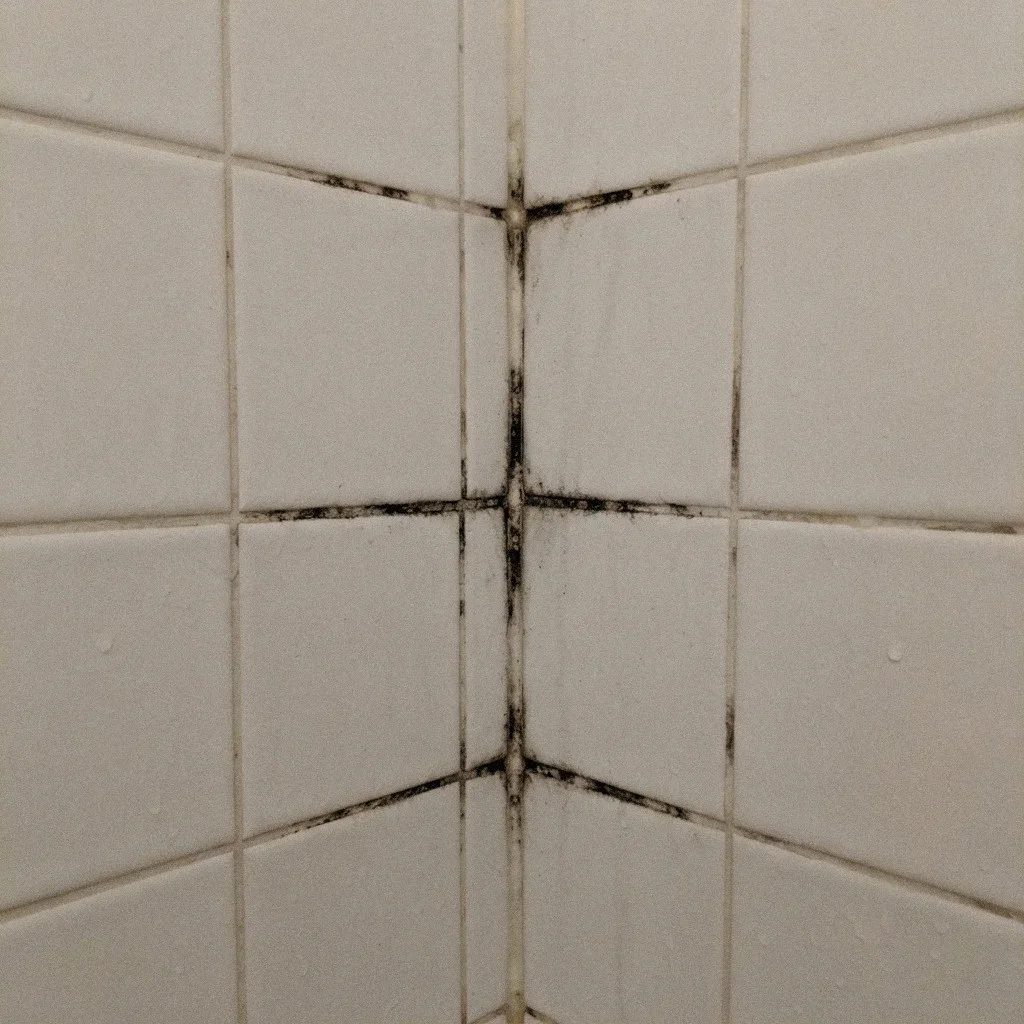
Grout, silicone, ceiling paint and the wall behind the shower, handled by a local licensed pro.
Learn about Bathroom & Shower Mold Removal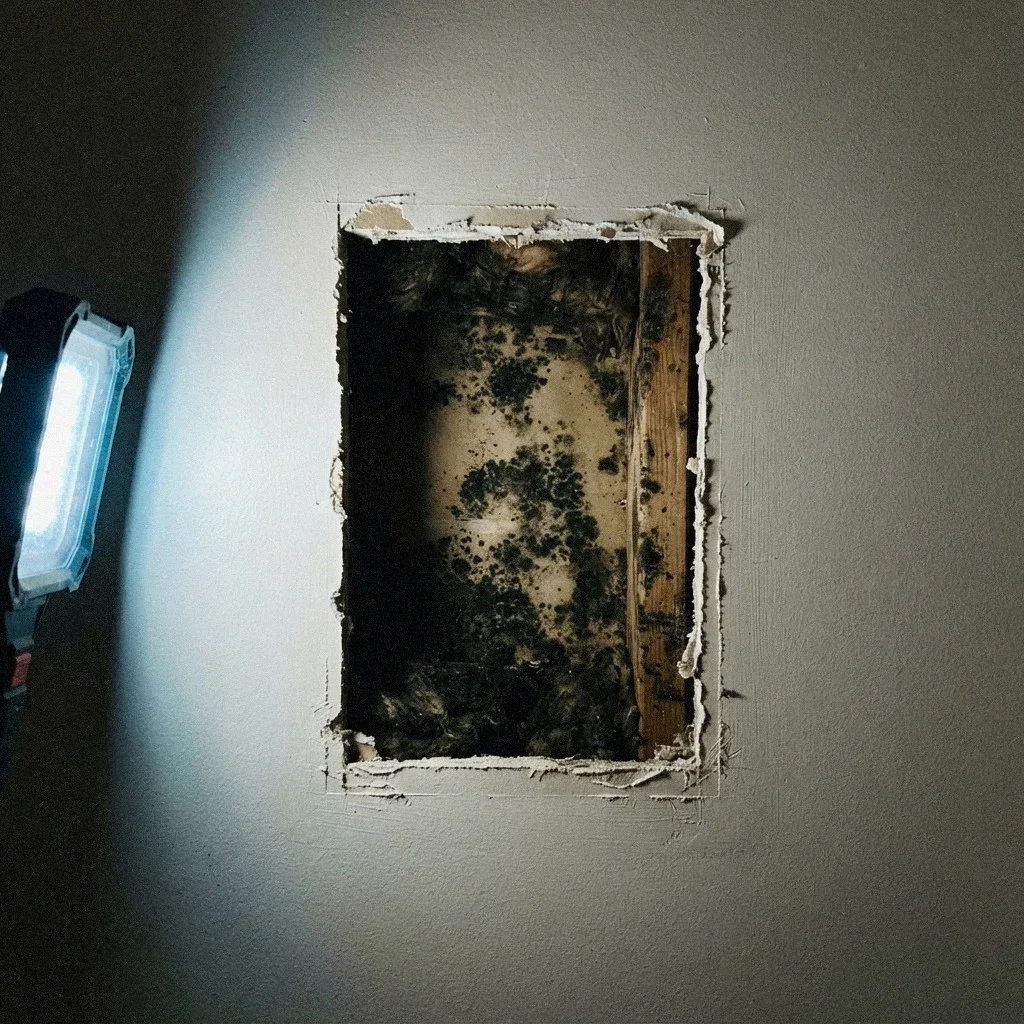
Mold gets cut out of your walls, not painted over. Call a local licensed pro today.
Learn about Drywall & Wall Cavity Mold Removal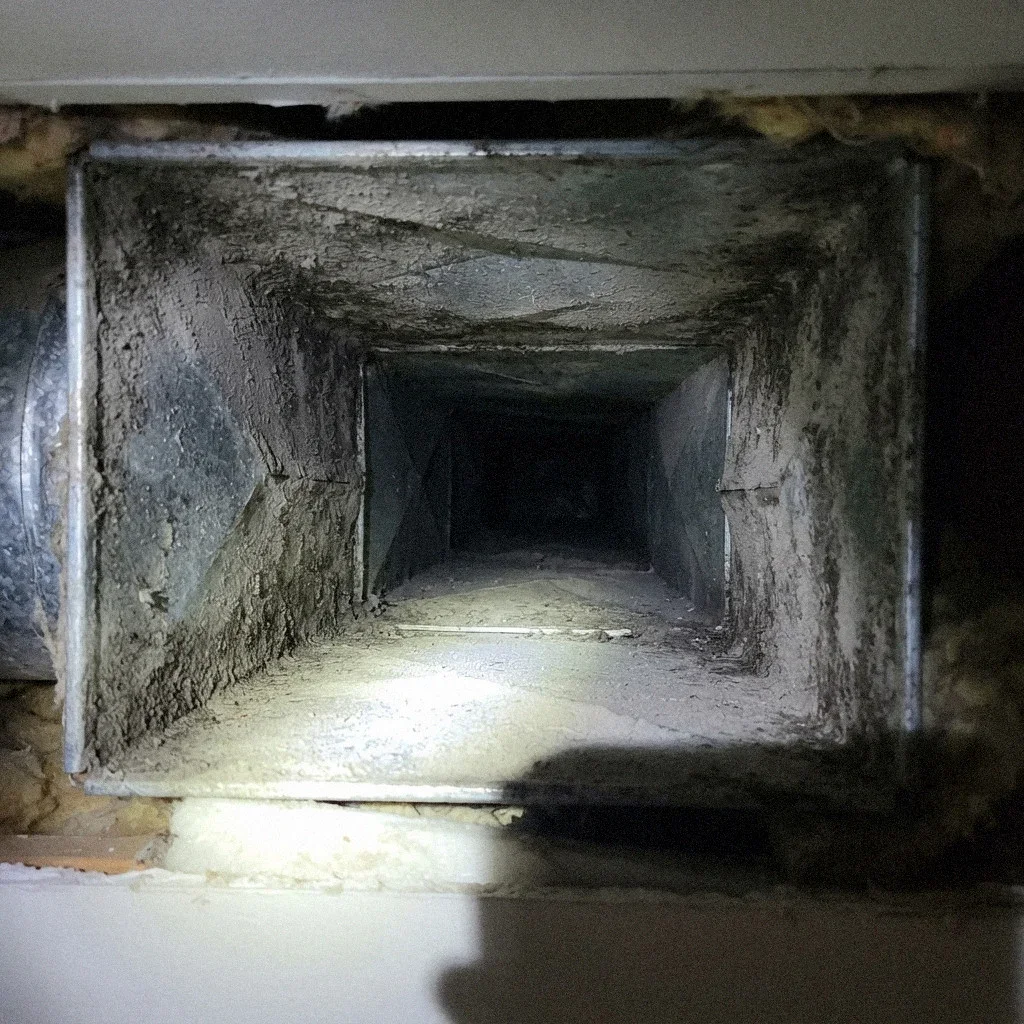
Mold in the air handler gets blown into every room the system feeds. Get it checked and cleaned now.
Learn about HVAC & Air Duct Mold Removal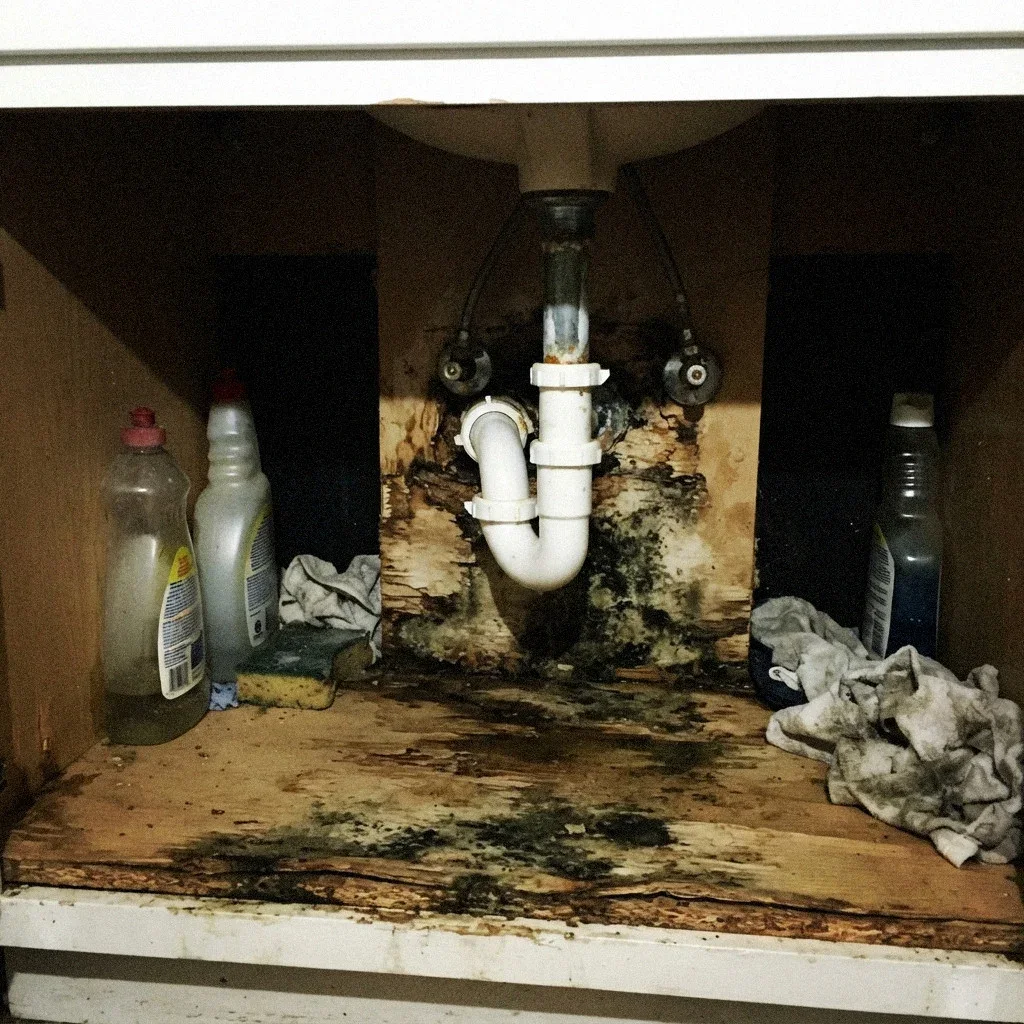
Under the sink, behind the fridge, inside the cabinet backing. Get a local licensed pro on the job fast.
Learn about Kitchen & Cabinet Mold RemovalCost depends on square footage affected, whether growth sits on drywall or framing, and how it got wet. A bathroom patch in a North Park bungalow runs far less than growth spreading through crawl space framing in a Clairemont tract home. Get the moisture source diagnosed first; a fair quote follows from that inspection, not from a phone estimate on size alone.
Depends on what's behind the wall. A stained ceiling tile in Clairemont or a musty closet in Serra Mesa might be a half-day job. Mold traced to a leaking supply line under a North Park bungalow, or condensate pooling near ductwork in a Mira Mesa slab home, means opening material and drying framing before anyone touches the growth itself. Ask what's driving the moisture before you ask what the job costs, since that number moves with the source, not the stain.
Usually not. If mold is visible in a Kearny Mesa office or a Miramar warehouse, the industry standard (IICRC S520) treats visible growth as enough to start remediation. Testing adds cost without changing the plan, since no test can tell you whether the air is safe to breathe anyway, only which surfaces have mold. The pros we connect you with will want to find the moisture source first, not order a lab report.
Rates track how much moisture the job involves, not the square footage of visible growth. A closed-up room off Balboa Avenue with a slow AC condensate leak costs less than a Clairemont crawl space where damp soil has fed growth across floor joists for months. The licensed pros we connect you with base a number on moisture readings and containment needs, not a guess at color or smell.
Every property is different, so the only accurate number comes from a quick inspection. That said, most commercial mold removal jobs in San Diego run an estimated $3500–$25000 per visit, depending on the size of the property and how severe the problem is. Pricing is confirmed in writing before any work begins, and our rates tend to sit a little under the typical local going rate.
Flat and low-slope roofs cover most commercial buildings from Kearny Mesa to the Midway District, and a slow leak through one can feed mold above a suspended ceiling for months before a tenant notices. A property manager calling about a smell on one floor is usually dealing with a roof or a mechanical problem, not a cleaning problem. The licensed pros we connect you with can trace the water before anyone touches the growth. Call (619) 833-1053 to get the source identified.
Call (619) 833-1053