A warm patch on the floor
A warm or damp patch on tile or laminate flooring, often near a wall, means water is migrating up through the slab from a broken supply line below. It will not dry on its own; the source has to be found and cut off first.
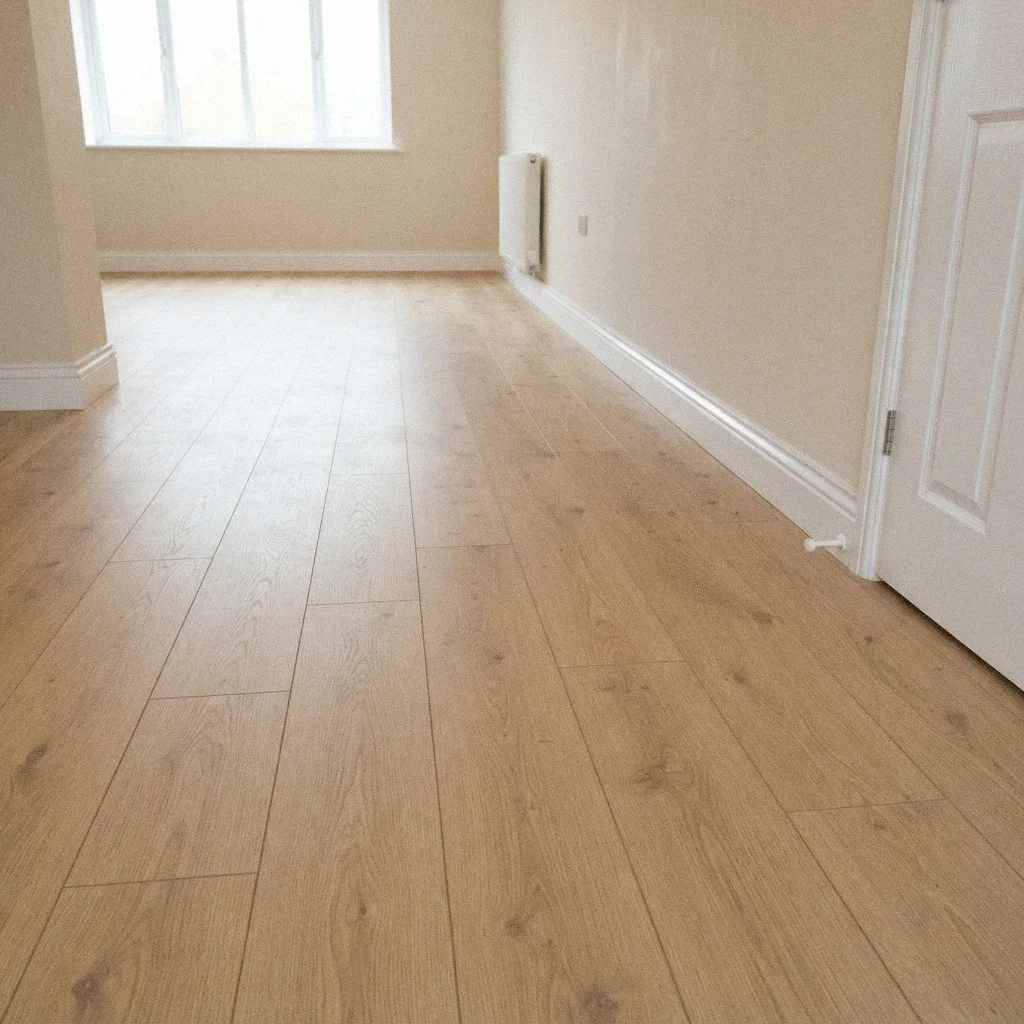
A slab leak does not follow a season the way roof leaks or storm damage might elsewhere. It can start any month, since the water is coming from inside the pipe, not from rain, and San Diego's dry summers give no reprieve from it.
A slab leak is a broken water line under a concrete floor. It stays hidden until flooring warms, water bills spike, or mold appears, and it needs a plumber before any cleanup starts.
Houses built across different decades fail in different places. Older framing with original windows tends to condense at the glass and sill. Additions and remodels tend to leak at the seam where new work meets old. Knowing the era of a house narrows down where to look before anyone opens a wall to find the moisture source.
A warm or damp patch on tile or laminate flooring, often near a wall, means water is migrating up through the slab from a broken supply line below. It will not dry on its own; the source has to be found and cut off first.
A water bill that jumps with no new usage points to a slab leak running continuously, day and night, unlike a toilet overflow that stops once someone notices it. Call a plumber to trace the line before flooring or baseboards start growing mold.
The sound of water moving through pipes when every fixture in the house is off is one of the clearer slab leak signs. It means pressurized water is escaping somewhere under the floor and needs to be located before drying anything is worthwhile.
Baseboards that separate from the wall or buckle near the floor mean moisture has been wicking up through the slab long enough to swell the wood. Mold often starts behind that baseboard before it is visible on the face of it.
A musty smell concentrated in one room, with no visible roof leak or condensate clog nearby, suggests the moisture source is below the floor rather than above it. A camera inspection of the slab confirms it before any cleanup starts.
San Diego's older homes run copper and, in some cases, aging cast iron pipe through concrete poured decades ago. Ground movement and pipe corrosion over that many years make a slab leak more likely than in newer construction elsewhere in the county.
Because so much of the city sits on a poured slab rather than a raised floor, a supply line failure has nowhere to go but up through the concrete and into the living space, unlike a crawl space home where a leak might drip into open ground first.
Color does not identify a species, and a test is usually unnecessary once mold is already visible. What matters more is the moisture behind it: a leak, a condensation point, poor airflow in a room built decades before central air was standard. Fix that and the growth stops coming back. Clean it without fixing that and it returns, often in the same spot, within a season.
Water staining and efflorescence get blamed first. Efflorescence is the white mineral crust that forms as water evaporates through masonry or concrete, left behind by dissolved salts, not by mold, and it wipes off dry rather than smearing. Press a cloth to the mark. Efflorescence is chalky and does not darken the cloth. Mold from a slab leak stains flooring adhesive brown or black, smells musty, and the concrete underneath still tests damp days after any surface water has gone.
A plumber locates the exact point of the slab leak using acoustic or thermal equipment, then cuts a small access point through the concrete to reach and replace the failed section of pipe rather than guessing at the location.
Once the leak is repaired, the slab and any flooring above it need real drying time, sometimes with fans or dehumidifiers running for days, before new flooring goes down. Skipping that step traps moisture the mold picks up again.
Bleach changes the color you are looking at, not the colony underneath it. It kills what the wipe touches and leaves roots in the material behind. If the wall board or the framing stayed damp, the same patch returns in weeks, which is why the fix has to start with the water source, not the stain.
| What you are dealing with | What normally fits |
|---|---|
| Growth does not wait for a season here, since the marine layer keeps interior air damp through months when no rain falls at all. A house can pick up mold in the driest stretch of summer if a surface stays cool enough for condensation to form and linger. | Mold needs moisture more than it needs anything else. Organic material to feed on is already present in nearly any building material, so the question worth asking is not whether mold could grow but where the water or the humid air is getting in. A quote that skips that question is pricing half the job. |
| Color does not identify a species, and it never told anyone whether a patch is dangerous. Black, green and white growth can be the same organism reacting to different surfaces. A lab can name what is growing; it cannot say whether that name matters more than finding and stopping the water feeding it. | Mold needs moisture, not rain. In San Diego, marine humidity meeting a cool wall or window does the work a storm would do elsewhere, so a house can grow mold through a dry summer. Color does not tell you the species, and no test proves the air is safe. Find the water source before anyone starts cleaning. |
| A dark patch on drywall is a symptom, not the diagnosis. Every case traces back to a specific source: condensate off a cooling coil, a slow roof flashing leak, a bathroom fan venting into an attic instead of outside. Fix the surface without finding that source and the same patch returns within a season, often larger. | Mold needs moisture, not rain. San Diego's marine air meets a cool interior surface, an air conditioner drips condensate, a slow leak runs unnoticed because there's no wet season to expose it. No color identifies a species, no test proves the air is safe, and bleach only bleaches. The licensed pros we connect you with start by finding the water, not the stain. |
A homeowner can shut off the main water valve and watch the meter to confirm a leak exists, and can pull up a small section of flooring to look. Locating the actual break under the slab and repairing cast iron or copper pipe is plumber's work.
No safe exposure limit for mold exists under California guidance, so there is no number that tells a homeowner their air is fine. Visible mold from a slab leak should be treated as something to remove, not something to test first.
Most slab leak jobs in San Diego land between an estimated $450 and $2800, and the property decides where inside that. What moves the price on this page is almost never the mold itself — it is what the water reached and how much of it has to come out. Surface growth on tile or paint in a well-ventilated bathroom is the cheap end. The same size patch on drywall with insulation behind it is a different job, because porous material is removed rather than cleaned and the area has to be contained while that happens. Get the cause identified before you compare two quotes, or you are comparing two different scopes. pricing guide, and the service that handles this is Moisture Source & Leak Detection.
Slab leak repair and mold cleanup are priced separately, since one is plumbing and the other is remediation. The two costs together depend on how far water traveled and how much flooring or drywall it reached before anyone noticed.
Moisture Cause. A bathroom fan venting into the attic dumps humid shower air onto roof sheathing instead of outside, causing condensation and mold.
Moisture Sources. Window condensation is beads of water forming on cold glass or an aluminum frame when warm, humid indoor air meets a cold surface.
Moisture Sources. Failed stucco flashing lets water get behind the stucco at a window or roof line instead of draining off it.
A slab leak is a broken supply line or drain running under the concrete floor, not visible like a burst pipe overhead. Cast iron pipe corrodes with age, and pressurized water finds its way up through the slab into flooring and baseboards. By the time carpet or laminate feels damp near Clairemont Mesa Boulevard homes, water has usually been moving underneath for weeks.
Yes. Warm water rising through concrete raises the humidity right at the surface it touches, which is exactly the film mold needs. Add a bathroom shower pan seal that has failed or a P-trap seeping slowly nearby, and the slab stays damp continuously rather than drying between events, unlike a one-time toilet overflow.
A warm patch on the floor, a spike in the water bill, or the sound of running water when everything is off points to a slab leak rather than a roof leak or condensate clog. A plumber traces it with listening equipment before anyone in Golden Hill or North Park opens the floor.
Not safely. Cutting into a slab to find a corroded cast iron line or a failing supply line is plumbing work, and drying the concrete afterward takes equipment most households do not have. The licensed pros we connect you with handle the leak repair and the drying together, since one without the other invites the mold back.
No agency sets a safe indoor exposure number for mold, and color alone will not tell you what is growing on drywall near an AC vent or a slab foundation. What matters is whether the surface stays wet. Dry it out and most visible patches stop being a mystery worth swabbing.
Call (619) 833-1053