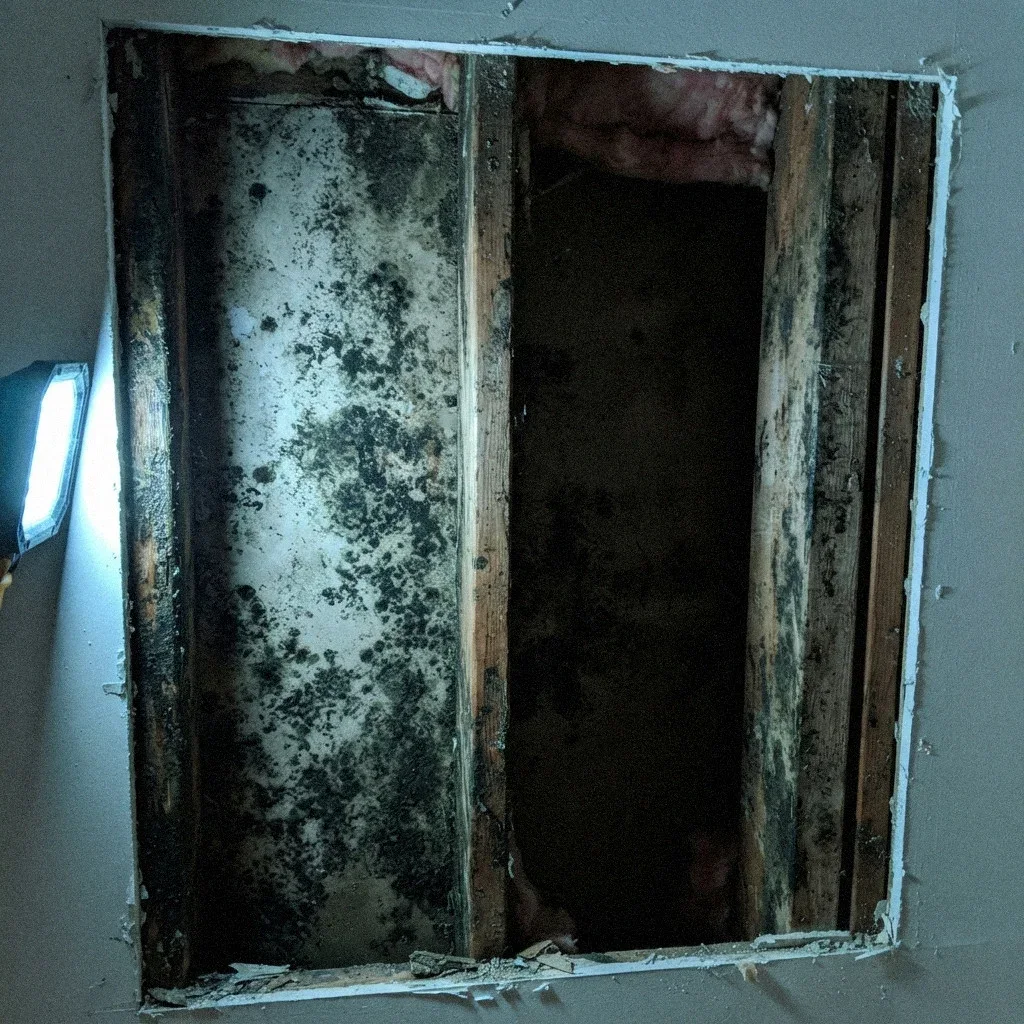
Health & Safety
Is Black Mold Dangerous in San Diego?
Black mold sounds like a diagnosis. It is a color, not a species and not a health verdict. Here is what is genuinely established, and what is just internet noise.
Read article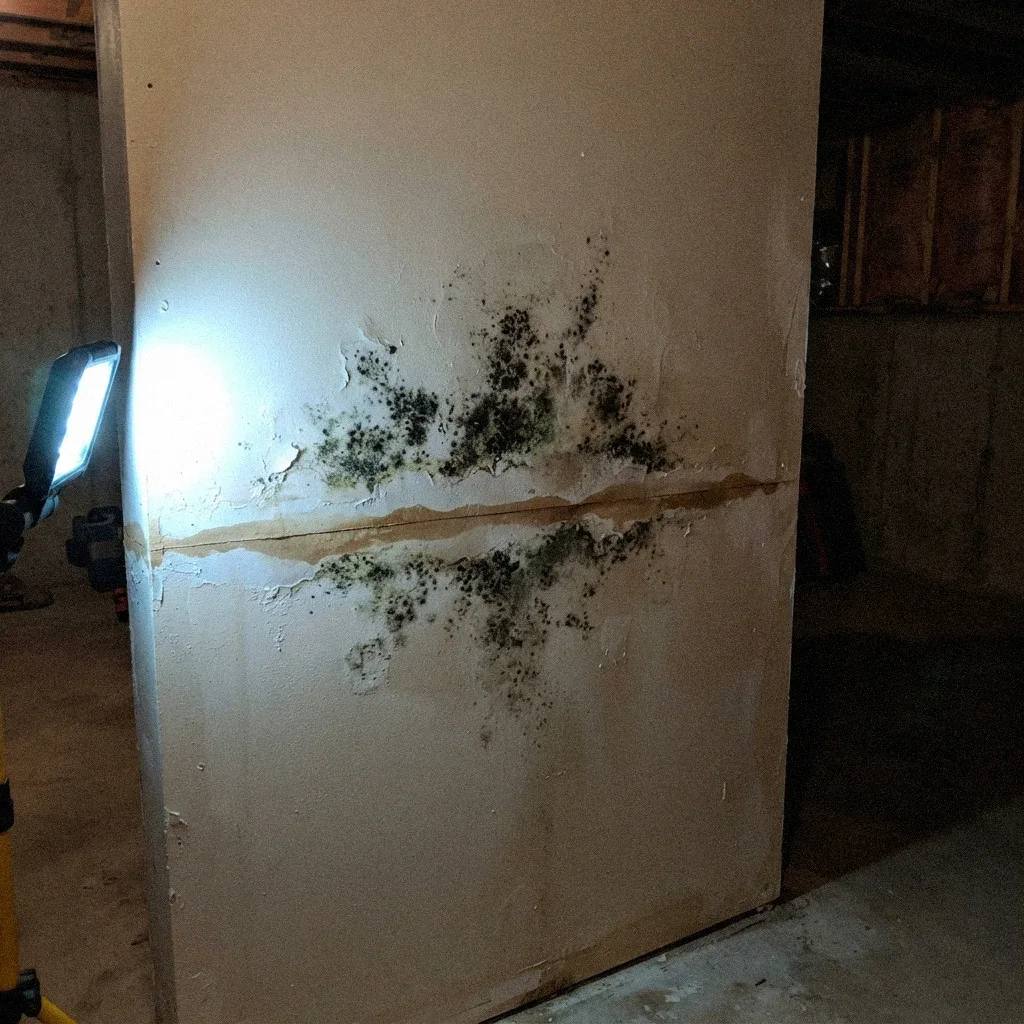
Dark mold on drywall or grout, removed by material, not by color. Call now for a straight assessment.
Black mold removal San Diego, CA works by material, not by color: drywall gets cut out, grout gets cleaned or the tile comes off, and wood trim gets sanded or replaced. A local licensed pro checks how far moisture traveled behind the surface before any work starts.
San Diego's marine air keeps interior surfaces damp enough for dark mold to grow without a drop of rain. Don't wait for it to spread: call (619) 833-1053 and we'll connect you with a licensed pro.
A black mold inspector finds how far moisture traveled behind a dark stain and what is feeding it. Color cannot name the species, so a good black mold specialist looks at the material and the moisture, not the label.
Species testing is rarely needed for visible growth. A lab can name the genus on a sample but cannot tell you your air is safe, because California never set an exposure limit for indoor mold.
Mold inspection and testing earns its cost when growth is hidden inside a wall, or when a landlord or buyer needs a written record.
Dark patches on drywall, ceilings or grout that keep growing are active growth. Find the moisture source before anything else.
A soft patch on drywall means the mold has fed on the material. Porous material like that usually has to come out, not be scrubbed.
Odor without stains often means growth inside a wall cavity or under flooring, common in older Normal Heights and City Heights homes. Open up the area; a spray will not fix it.
Dark growth on a bathroom ceiling or closet wall points to warm air condensing on a cooler surface, or a slow leak nobody traced.
The pro notes the material, the extent of the dark patch, and where humidity or a leak is likely coming from. You get a plain explanation before any work starts.
Affected porous material like drywall or insulation is contained and removed following IICRC S520 practices. That limits spread to the rest of the home.
Hard surfaces are cleaned and non-porous material is treated. The moisture source, whether condensation, a slow leak or a ventilation gap, is identified and addressed.
Removed material is replaced and the area is left dry. Growth returns if the moisture problem is not fixed.
Marine humidity off the Pacific settles on cool interior surfaces year-round, so dark growth on a bathroom ceiling or closet wall has little to do with rainfall. Wood-frame homes with stucco siding can also hold moisture behind the wall when window flashing or roof-to-wall junctions fail.
The state has not set an exposure figure for mold in a house, and neither has any federal agency. A lab report names what turned up but cannot say whether it is dangerous.
IICRC S520 is the voluntary industry standard for mold remediation. It covers containment, removal method by material, and clearance criteria.
California has no mold-specific contractor license, so ask what the contractor holds under the Contractors State License Board. They should also be able to name IICRC S520 without hesitating.
Most black mold removal jobs in San Diego fall inside these ranges. The inspection costs nothing and the exact figure is written down before any work starts.
| What It Covers | Where To Start | What It Skips |
|---|---|---|
| Bleach whitens the patch you scrubbed and leaves the rest of the colony rooted in the material underneath. A remediation crew removes what is holding the growth, not just the shade of it. If the moisture feeding it stays, whatever painted over the stain returns within a season, in Del Cerro or anywhere else in the county. | Moisture check, containment, and surface cleanup | an estimated $1190–$6300 |
| A can of mold-killing spray treats one visible patch on one visit. It says nothing about the leak, the condensation point, or the airflow gap that grew that patch in the first place. Spray it again next month and the same stain reappears, because the surface was never the actual problem to begin with. | Limited wall opening with moisture-source tracing | an estimated $1400–$9000 |
| Cleaning products are rated for hard, nonporous surfaces like tile and glass. Drywall, wood trim, and insulation absorb moisture and hold growth below the surface, where a wipe or spray cannot reach. Porous material with real growth in it usually gets removed and replaced, not scrubbed and resealed. | Longer drying and repeated moisture checks | an estimated $2100–$14400 |
| Store-bought treatments are built to satisfy a one-time visible complaint, not to diagnose why a surface stayed damp long enough to grow something. Without finding and closing off the moisture source, any cleaning is temporary. The stain returns because the same conditions that made it are still sitting behind the wall. | Whole-home or major hidden-growth project | an estimated $3360–$24000 |
Price ranges are wide because mold jobs are not standard units. A closet with poor airflow, a wall with condensation behind drywall, and a ceiling under a slow roof leak all get treated differently. What drives the number is the moisture behind the surface, which is why an estimate should start with a look at the source.
There is no way to know from looking. Cladosporium and some Aspergillus species can look just as black on drywall or grout, and only lab testing can name the species. The removal method depends on the material the mold is growing on, so the pros we connect you with treat the surface, not the name.
No. A lab can name the genus on your sample, but no agency has set a number for safe air, so there is nothing to compare it against. Testing mostly earns its cost when mold is hidden in a wall or when a landlord or buyer needs a written record.
California has no mold-specific contractor license. Contractors doing this work hold a classification from the Contractors State License Board. Ask which one they hold and whether they follow IICRC S520.
Bleach dulls the dark tint on hard surfaces like tile or glass, but it does not reach roots growing into drywall paper or wood. It also adds water that can feed what is left behind. Porous material with roots in it typically has to come out.
Yes. Marine humidity condenses on cool interior surfaces, so a poorly ventilated bathroom, a condensing window or a sweating air conditioning line can grow mold through a dry summer. The pros we connect you with look for that kind of moisture source first.
Expect an estimated $1400–$6000 per treatment for black mold removal around San Diego. Where you land inside that depends on the size of the building and how long the problem has been running. The inspection is free, so you get a real figure rather than a guess, and it is written down before anyone starts.
Bleach lightens what you can see on the surface but does nothing to the moisture feeding it underneath, so the stain is often back within weeks. Lasting repair means finding where the water or humidity is entering first, then addressing the growth itself, in that order and not the reverse.
Black mold sounds like a diagnosis. It is a color, not a species and not a health verdict. Here is what is genuinely established, and what is just internet noise.
Read article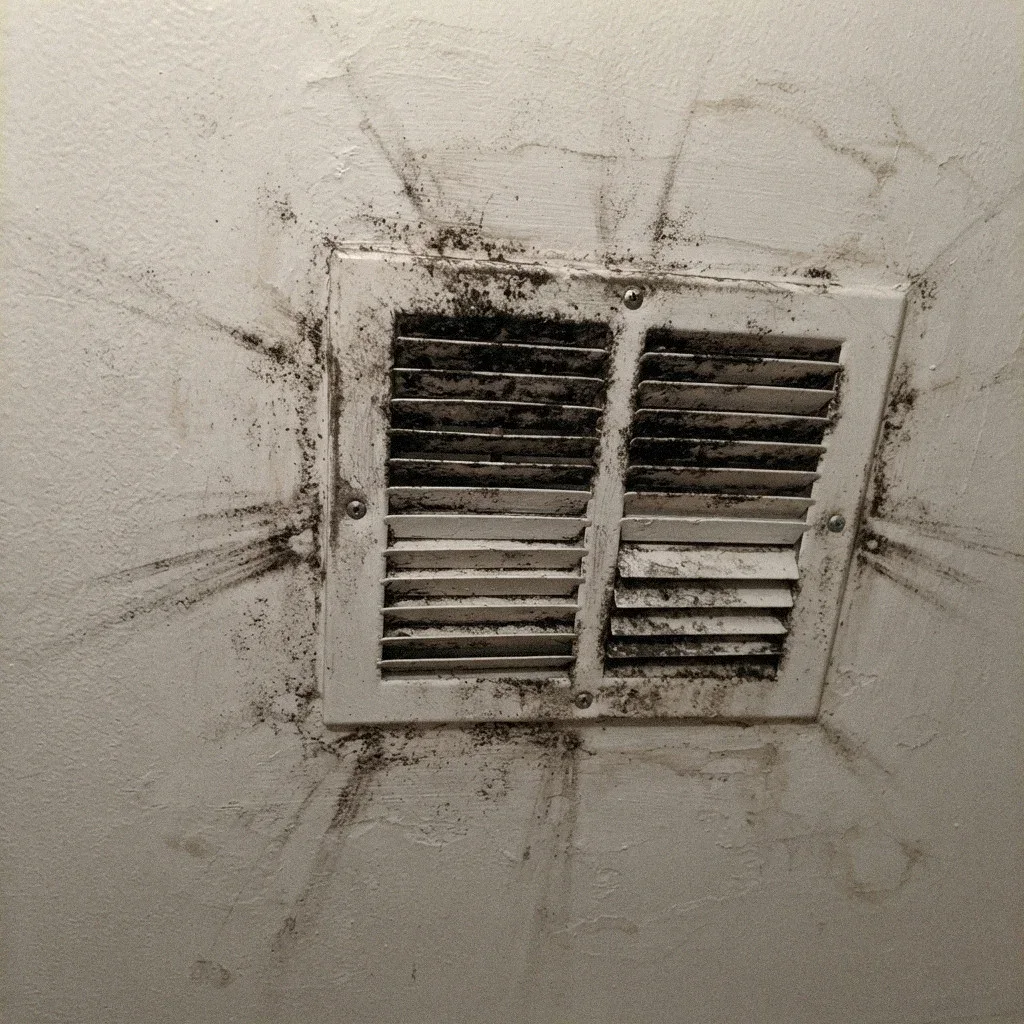
A HEPA air purifier catches airborne mold spores passing through it, which is real and useful. It does nothing to growth already sitting on a windowsill, drywall or AC coil, and it will not tell you where the water is coming from.
Read article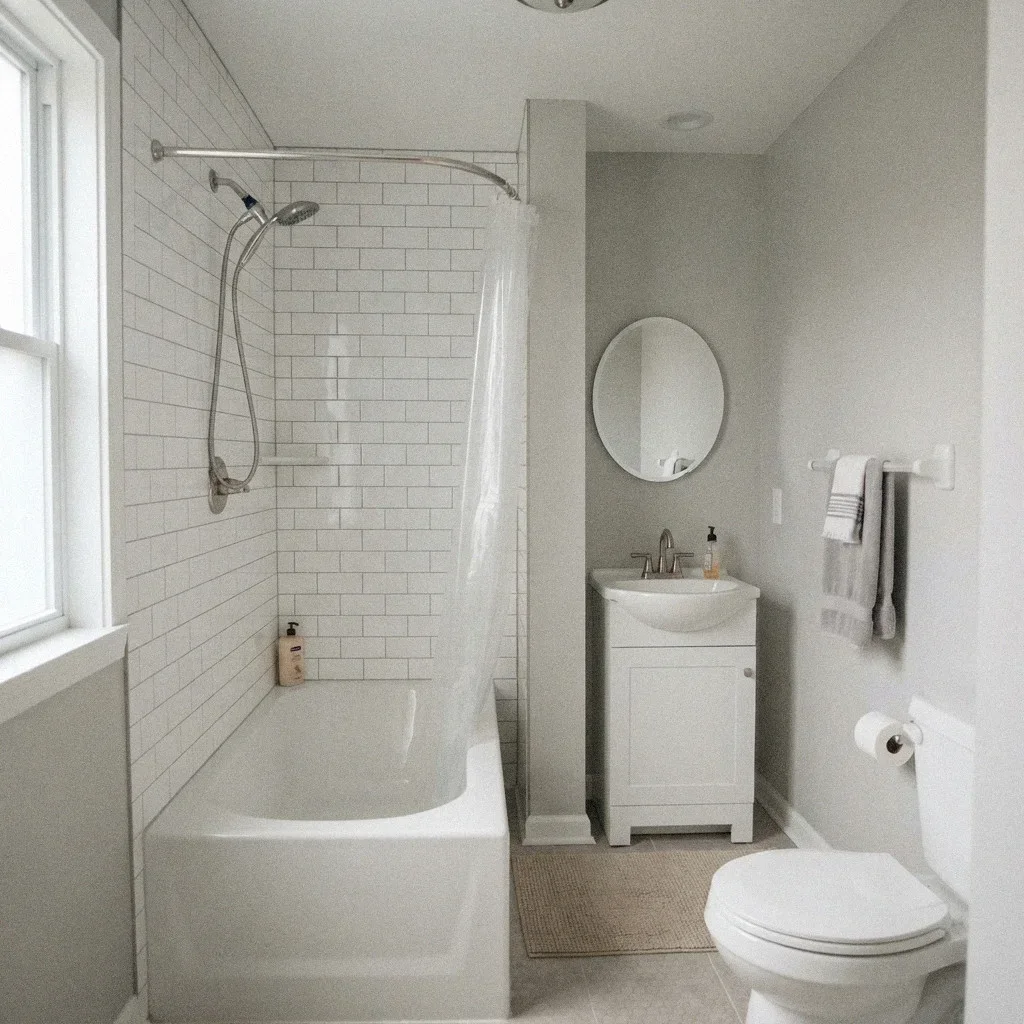
A bathroom extractor fan that sounds fine can still be venting straight into the roof space above it. In San Diego's marine humidity, that single wiring mistake feeds mold in two rooms instead of none.
Read articleThis is one piece of a larger job, and it rarely stands alone. A leak that stains a ceiling in Kensington or a condensation line in a Pacific Beach bathroom usually needs both the moisture stopped and the growth removed, in that order. The licensed pros we connect you with in San Diego can tell you on the call whether this service covers what you're dealing with or whether the source needs attention first. Call Now: (619) 833-1053 and describe what you're looking at.
Call (619) 833-1053