Hotels & Hospitality
Hotels & Hospitality
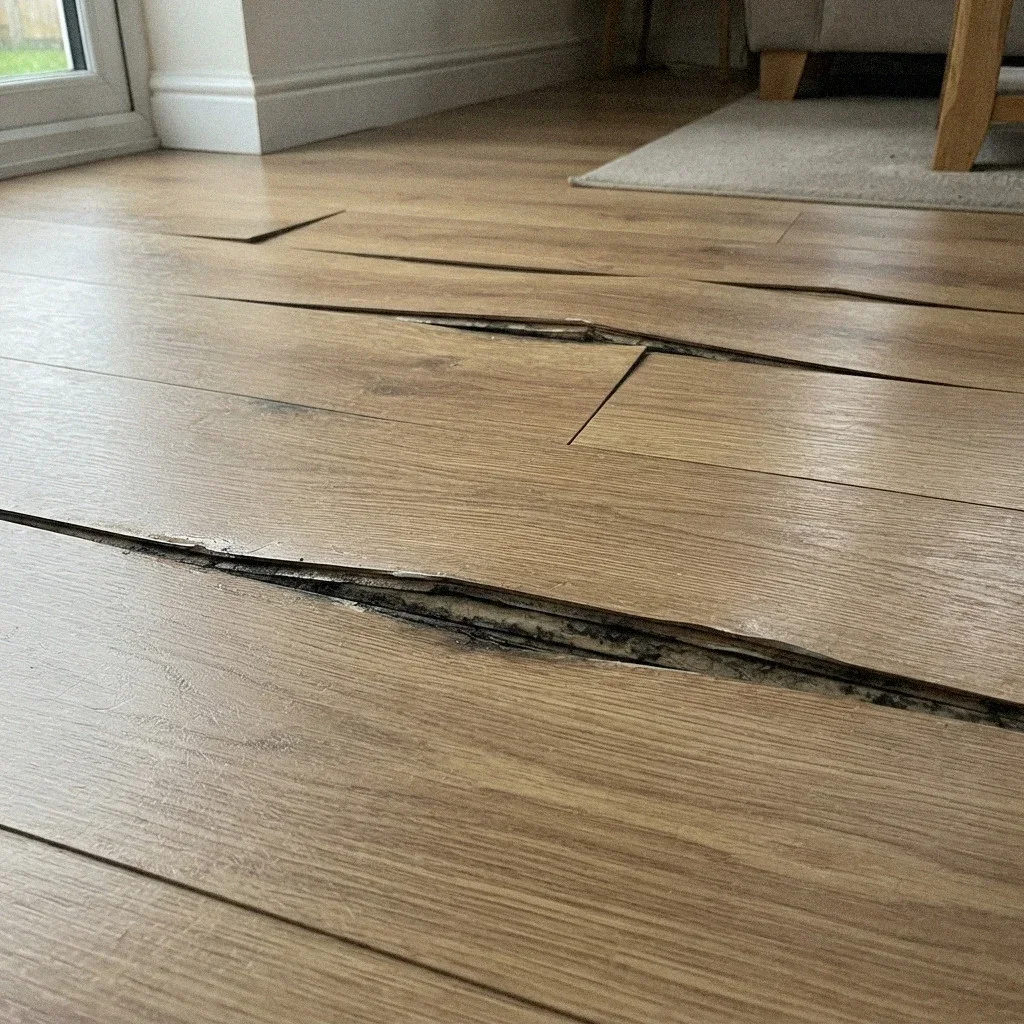
Who pays, who is notified, and what stays open while a unit gets remediated.
In a San Diego apartment building, the landlord is responsible for mold caused by a structural or plumbing failure, while a tenant is usually responsible for mold from their own housekeeping. Insurers and property managers separate the two before anyone pays for remediation.
An apartment building in North Park or a condo tower in East Village behaves differently from a house the moment mold shows up, because the leak rarely stays inside the unit where it started. Water moves through a shared wall, a shared subfloor, or a chase that runs vertically past several units at once. A slow leak on the fourth floor can show up as a ceiling stain two floors down. That physical reality is what makes multifamily mold a building-wide problem rather than a private one, and it is the reason the response has to start with where the water is, not with the unit where it was noticed.
San Diego's marine humidity means this happens without a storm. A property near Mission Bay or along the coast in Pacific Beach holds damp air against cool stucco and single-glazed windows for weeks at a time, and condensation on a cold surface does not need a leak to keep a wall damp. Add one plumbing failure inside a shared wall assembly, and a multifamily building has two moisture sources working on the same drywall at once. Anyone assessing the unit needs to separate which is which before deciding what gets opened up.
The building type also decides how many people are affected by one decision. A single-family repair involves one household. A repair in a Kearny Mesa or Clairemont apartment complex can involve a neighbor's ceiling, a shared attic space above several units, or a corridor that every resident on the floor uses to get to their door. The scope of who has to be told, and who has to stay out, gets set by the building's structure before anyone opens a wall.
Liability in a multifamily building usually splits along a line that has nothing to do with who found the mold first. The landlord is generally responsible for the building's structure: the roof, the exterior walls, the plumbing lines that run through common areas, and anything that failed because of a maintenance issue rather than a tenant's own actions. What a tenant owns inside the unit, along with a tenant's furniture, boxes, and belongings, is typically the tenant's own responsibility, and it is often not covered by the landlord's building policy at all.
That split matters most when a leak in a common wall or a roof over a Golden Hill or South Park courtyard building damages both the structure and a resident's belongings at the same time. The question of who arranges and pays for which part of the work does not answer itself, and it is worth settling before remediation starts rather than during it. A property manager who documents the source of the water and the extent of the damage on both sides of that line has a much easier time afterward than one who does not.
| Issue | Rule | Note |
|---|---|---|
| Building structure vs. unit contents | Roof, plumbing, or wall leak | Tenant housekeeping or ventilation |
| Usually pays | Landlord or property manager | Tenant, via renters insurance |
| What's covered | Drywall, framing, flooring | Furniture, belongings, contents |
| Access needed | Shared pipe chase or roof | Inside the tenant's own unit |
| Notice required | To adjoining units, in advance | To landlord, upon discovery |
| Common areas vs. leased unit repairs | Building-wide repair record | Landlord pays, lease terms permitting |
| Access to the unit | Written notice per lease terms | Tenant cannot refuse indefinitely |
| Neighboring units | Notify if shared wall or line | Inspect before assuming it's contained |
Access is where multifamily buildings differ most from a single house. A remediation crew cannot simply show up at a unit the way they might at a detached home; occupied units generally require advance notice before anyone enters, and that notice period shapes how fast containment can start once a leak is found. A leak that is left running for even a day past discovery, while notice requirements are worked out, can turn a contained repair into a multi-unit one.
Vacant units simplify this considerably, which is one reason turnover periods matter for multifamily maintenance planning. A unit between tenants in a Normal Heights or City Heights building can be opened, inspected, and dried without coordinating around anyone's work schedule or asking a resident to leave a room for several days. Building managers who address a suspected leak during a vacancy window, rather than waiting for a new tenant to move in and report it, generally have fewer competing schedules to manage.
Shared systems complicate the picture further. A central HVAC system that serves multiple units, or a shared attic and roof structure over an entire building, means the air and the moisture are not contained to one address. A moisture problem in a Mira Mesa or Rancho Bernardo apartment building's shared mechanical space can affect the indoor air quality of units that never had a leak of their own, which is a different notification and access problem than a single leaking unit.
Multifamily buildings rarely close entirely for mold work. What closes is usually the specific unit, the specific hallway segment, or the specific amenity space involved, while the rest of the building continues operating as normal. A leak traced to a shared laundry room or a below-grade parking structure in a Bankers Hill or Hillcrest building typically means that space is fenced off during the work, not that residents lose access to their homes.
Containment during active work is what keeps the rest of the building functioning. Sealing off the work area with physical barriers and controlling air movement between that space and the corridor is standard practice specifically because a multifamily building has people living on the other side of that wall the entire time. The goal is a building that keeps functioning around a contained job, not a building that empties out for the duration.
Owners and managers of multifamily properties need paperwork that a single-family homeowner rarely has to produce: a record showing which unit was affected, when it was reported, when it was accessed, and what was done, along with dated photographs of the affected area before, during, and after the work. This record is what answers a tenant's question about their unit six months later, and it is what a property changes hands with if the building is sold.
That same documentation is what separates a structural repair from a tenant's contents claim when the two get disputed later. A written scope of work, a clear description of what part of the building was affected, and photographs tied to dates give a property manager something concrete to point to instead of relying on memory. Buildings near Mission Valley or the College Area that turn over tenants often benefit most from keeping this record consistent unit by unit, since the same documentation gets reused each time a new resident asks about a unit's history.
Testing is usually not the first step, in a multifamily building any more than in a house. Visible mold on a wall or ceiling tells an inspector what they need to know without a lab confirming a species, and there is no published safe exposure level a test result could be measured against anyway. What is worth documenting instead is the moisture source itself and how far it traveled through the building's structure, since that is the information that determines scope.
None of this changes because the property is in San Diego rather than a wetter climate. The marine air along the coast and the condensation it leaves on cool surfaces keeps multifamily buildings from Point Loma to University City exposed to the same moisture pressure year-round, with or without rain. A building's age, its shared systems, and its occupancy status decide how a mold problem spreads and who has to be told about it; the climate simply keeps the underlying moisture supply steady.
After the work, the owner or manager needs the same three items regardless of unit count: a moisture source finding, a written scope tied to that source, and a clearance description showing the affected material was removed or treated per IICRC S520 guidelines. Insurers and future buyers in San Diego both ask for this paperwork. Without it, a resale disclosure or a claim on an adjoining unit's damage has nothing to point to, and the building's history reads as guesswork instead of a documented repair.
A 1950s tract home near Serra Mesa and a 1920s bungalow off Adams Avenue fail differently. Older crawl spaces trap ground moisture; newer slab construction traps condensation behind drywall. Bleach lightens what you see without reaching the material underneath. Matching the fix to the house era matters more than the product used.Hillcrest, North Park and South Park. Mold shows up on different building stock across San Diego for different reasons. A 1920s bungalow near North Park or Ocean Beach traps marine humidity behind old plaster. A 1960s tract house on a Clairemont or Serra Mesa mesa condenses moisture at a leaky window seal. Same growth, different mechanism, different fix.
Marine air holds more moisture than most homeowners assume, and San Diego sits right in its path. When that damp air touches a colder surface indoors, it gives up water it was carrying. No storm required, no leak required. Just warm air, a cooler surface, and enough hours for a patch of growth to start somewhere quiet.Commercial quotes in San Diego vary with occupied hours, not just square footage. A Kearny Mesa office or Convoy Street kitchen that cannot close for remediation costs more to treat than an empty unit near Miramar, because containment has to work around people, not around a schedule. pricing guide, and the commercial overview covers how a scheduled program works.
Hotels & Hospitality
Condo & HOA
Liability usually splits along the same line as maintenance responsibility: the landlord's insurance and structure cover the building's walls, subfloor, and shared systems, while a tenant's renters policy covers their own furniture and belongings. If the mold traces to a maintenance failure, like a slow roof or plumbing leak the landlord knew about, that shifts more of the cost onto the property side rather than the tenant's contents policy.
California law does not set a fixed notice period for mold access, but standard practice in San Diego rental buildings is written notice before entry, except when the leak is active and causing ongoing damage, which counts as an emergency. Multifamily leases in the city commonly specify 24 hours for non-emergency repairs, and remediation crews follow whatever notice term the lease already sets.
Neighboring units usually stay open unless the moisture source is shared, like a common wall, a roof deck above multiple units, or a plumbing chase serving several apartments. A single interior leak inside one unit's walls rarely requires displacing the unit next door, but any adjoining unit showing its own smell or staining needs its own inspection, not an assumption that it is fine.
Get a written scope describing what was removed and why, moisture readings showing the space is dry, and a clearance statement referencing IICRC S520 guidelines. Keep this with the unit's maintenance file. If the source was a building system, like a roof or a shared pipe, note the repair date too, since a future leak in the same spot without a repair record looks like the same unresolved problem.
Managing a multifamily property with a mold complaint from one unit? Call (619) 833-1053 to talk through liability, notice, and scope before work starts.
Call (619) 833-1053