Condo & HOA Properties
Condo & HOA
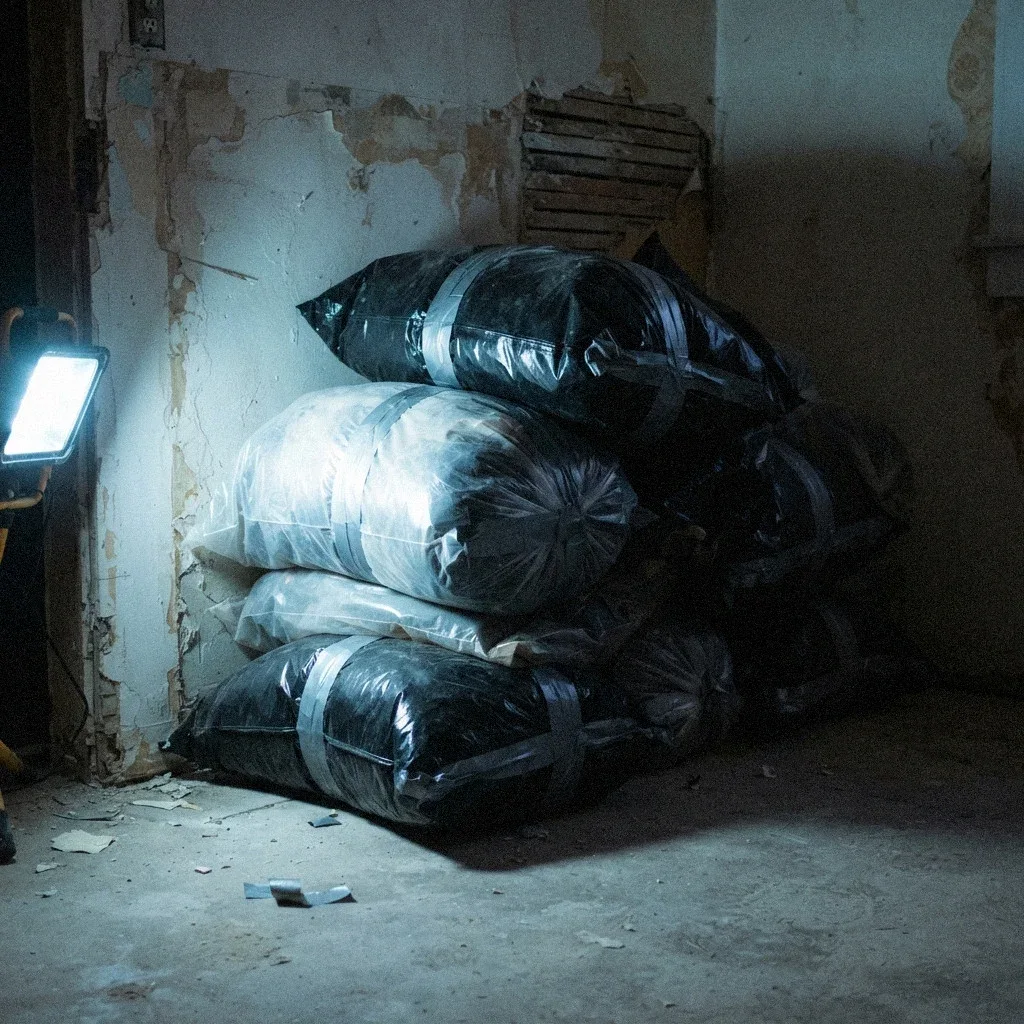
Vulnerable occupants and infection control change how the work has to be contained and documented.
Mold in a medical or healthcare facility triggers infection control review, not just cleanup. Containment must isolate the work area from patient zones, and the facility needs documented clearance before affected space reopens. Liability for exposure to vulnerable occupants falls on the facility, and IICRC S520 containment protocols are the reference the work gets judged against.
A hospital, clinic, or long-term care facility in San Diego has occupants who cannot simply leave a wing while it dries out. Immune-compromised patients, post-surgical wards, and elderly residents change what mold means here: exposure that a healthy adult shrugs off can be a real risk for someone already fighting infection. That shifts the whole job. Containment is not a courtesy in a medical building, it is the difference between a contained repair and an outbreak investigation, and infection control has to sign off before work starts, not after.
The building science does not change because the occupants are sicker. A flat roof over a wing of a Kearny Mesa clinic ponds the same way a flat roof over a house does, and a slow leak behind a wall in a Hillcrest medical office grows the same way. What changes is who has to know about it and how fast. A property manager who treats a positive air sample near a nursing unit the way they would treat one in an empty office is the person who gets the facility named in a complaint later.
This page is about the layer around the remediation, not the remediation itself. The scraping, HEPA filtration, and drying work follow the same IICRC S520 framework used anywhere else in San Diego. What is different is everything wrapped around it: who signs off before the crew enters, who gets told, what keeps running during the work, and what paperwork the facility needs when it is done. That layer is where medical mold jobs succeed or fail.
Liability in a healthcare setting rarely sits with one party. The building owner is responsible for the structure and the moisture source, but a hospital or clinic operator carries separate exposure for patient and staff safety once the problem is known and not acted on. Facilities that lease space, common near Hillcrest and Kearny Mesa's medical corridors, add a third layer: the lease usually decides who orders remediation, and it is worth reading before deciding who calls anyone.
Notification is where medical buildings diverge sharply from an office or a retail space. Staff working near an affected area need to know before the containment barrier goes up, not after. Depending on the wing, that can mean informing charge nurses, infection preventionists, and facilities managers as a coordinated step rather than a memo. Patients or residents housed nearby may need to be relocated for the duration, which is a scheduling decision the facility makes, not the remediation crew.
| Question | Who Answers It | Why It Matters Here |
|---|---|---|
| Patient room | Full isolation, negative air | Infection control clearance |
| Surgical suite | Sealed barrier, HEPA filtration | Air sampling before reopening |
| Waiting area | Partial closure, plastic barriers | Visual inspection sign-off |
| Administrative office | Standard containment | Written completion report |
| Storage or supply room | Standard containment | Written completion report |
| Mechanical room | Isolation from air handlers | Immunocompromised patients tolerate no ambiguity |
| Who tells the fire marshal or inspector | Facility management, not the remediation crew | Life-safety systems can't be disabled without notice |
| Who keeps the closeout report | Facility management and risk or compliance staff | Accreditation surveys ask for it later |
Very little of a medical facility can simply close. An outpatient clinic might be able to shift appointments for a day, but a hospital floor, an urgent care, or a skilled nursing unit generally has to keep functioning around the work. That means containment barriers, negative air machines, and sealed doorways are not optional extras, they are what allows the rest of the building to stay open while one section is treated as its own sealed environment.
The area affected also determines how strict containment needs to be. A supply closet or administrative office has different requirements than a space near a sterile processing room or an area adjoining patient care. The pros doing the work will typically scale containment to proximity: the closer the affected area sits to vulnerable occupants, the tighter the seal and the more filtration running before anyone opens a wall.
San Diego's mold problem does not wait for a rainy season to show up in these buildings any more than it does in a house. Marine layer humidity drifting in from the coast, condensation on cooling equipment, and a slow leak in a low-slope roof are enough on their own. A medical building near the coast in La Jolla deals with the same steady moisture load as one inland near El Cajon Boulevard, just from a different source, so containment planning cannot assume the risk is seasonal.
Documentation in a medical facility is not a courtesy for the file, it is what the facility produces if a regulator, an accreditation surveyor, or a patient's attorney ever asks what happened. That means a written scope of the affected area, photos before containment goes up, air sample results if any were taken, and a clearance report once the space is dry and cleared, all dated and tied to a specific location in the building rather than a general description of a wing.
A clearance report matters more here than in almost any other commercial setting, because it is the document that lets the facility reopen a space to patients rather than just to staff. It should state what was tested or inspected, what standard the work followed, and what condition the space was in when the containment came down. A facility manager who cannot produce that document has no way to show the space was safe to reoccupy, only that work was done.
None of this depends on a big leak. A single-glazed window in an older medical office building near Hillcrest condensing every morning, a condensate line from a rooftop HVAC unit draining into a ceiling cavity instead of outside, or a flat roof over a wing that ponds after nothing more than a normal San Diego winter can each start the same slow growth behind a wall. The mechanism is moisture finding a surface it can sit on, not the size of the storm that caused it, and most of the year there is no storm at all.
That is also why testing is usually not the first move, even in a medical building. If growth is visible and its source is identified, the more useful step is fixing the moisture and remediating the affected material, not paying for a lab report on a patch everyone can already see. Air sampling earns its cost when the question is whether an adjacent, non-visible space was affected, which is a real question near patient care areas in a way it usually is not in a supply room.
Color is not a diagnosis here or anywhere else. A dark stain on a ceiling tile near a nursing station does not tell anyone which organism is growing, and no visual inspection substitutes for a moisture reading and, where warranted, a sample. Bleach on a stained tile changes its color and does nothing to the growth underneath it, which is a bad outcome to discover in a building where the next patient in that room may have a compromised immune system.
There is also no such thing as a safe exposure limit for mold, in a hospital corridor or in a house in Golden Hill. What differs by building is the population standing closest to it and how much margin the facility can afford to lose. A manager weighing a quote for a medical space should be asking the same question this whole site keeps coming back to: has anyone identified where the water is coming from, or is the quote only for cleaning up what it left behind.
Documentation from a medical or healthcare facility job needs to answer one question: how do you know the air is safe again. That means a written scope of work, daily containment logs, air samples read against outdoor background levels, and a clearance report signed before any barrier comes down. Sharp HealthCare, Scripps Health, UC San Diego Health and Kaiser Permanente facilities in San Diego all answer to infection control committees who will ask for this file before the space reopens, not after.
A 1950s tract home near Serra Mesa and a 1920s bungalow off Adams Avenue fail differently. Older crawl spaces trap ground moisture; newer slab construction traps condensation behind drywall. Bleach lightens what you see without reaching the material underneath. Matching the fix to the house era matters more than the product used.Point Loma, Ocean Beach and Pacific Beach. Mold shows up on different building stock across San Diego for different reasons. A 1920s bungalow near North Park or Ocean Beach traps marine humidity behind old plaster. A 1960s tract house on a Clairemont or Serra Mesa mesa condenses moisture at a leaky window seal. Same growth, different mechanism, different fix.
Mold needs moisture, not rain. A house in San Diego can grow it through a dry summer if humid air keeps meeting a cool surface somewhere. That is the mechanism worth understanding before anyone talks about cleaning it off. Ask where the water or the condensation is coming from first; the answer usually points straight at the fix.Commercial quotes in San Diego vary with occupied hours, not just square footage. A Kearny Mesa office or Convoy Street kitchen that cannot close for remediation costs more to treat than an empty unit near Miramar, because containment has to work around people, not around a schedule. pricing guide, and the commercial overview covers how a scheduled program works.
Condo & HOA
Hotels & Hospitality
Food Service
Facility management holds liability, not the remediation crew. In a hospital or clinic near Mission Valley, Hillcrest or Kearny Mesa, the owner or operator is responsible for occupant safety once mold is identified, and that responsibility does not transfer just because licensed pros were called in to do the physical work.
State licensing boards for hospitals and skilled nursing facilities generally expect notification of any environmental hazard affecting patient areas, and infection control staff need to know before work starts, not after. Facility leadership typically loops in risk management and, depending on the payer and accreditation relationships involved, may have separate reporting obligations. San Diego facilities should confirm exact notification steps with their compliance officer rather than assume a single rule covers every case.
It depends on where the growth is. A supply closet or unused wing can often be sealed and worked on while the rest of a San Diego facility stays open. A patient room, operating suite or anywhere near ventilation serving occupied space usually has to close until containment and clearance are complete.
At minimum: a written scope of work, daily containment and negative-air logs, pre- and post-work air sample results, and a final clearance report. Facilities in San Diego typically keep this file permanently, since it is the record that shows infection control requirements were met before the space reopened.
Call (619) 833-1053 to talk through containment and clearance documentation before scheduling work in an occupied facility.
Call (619) 833-1053