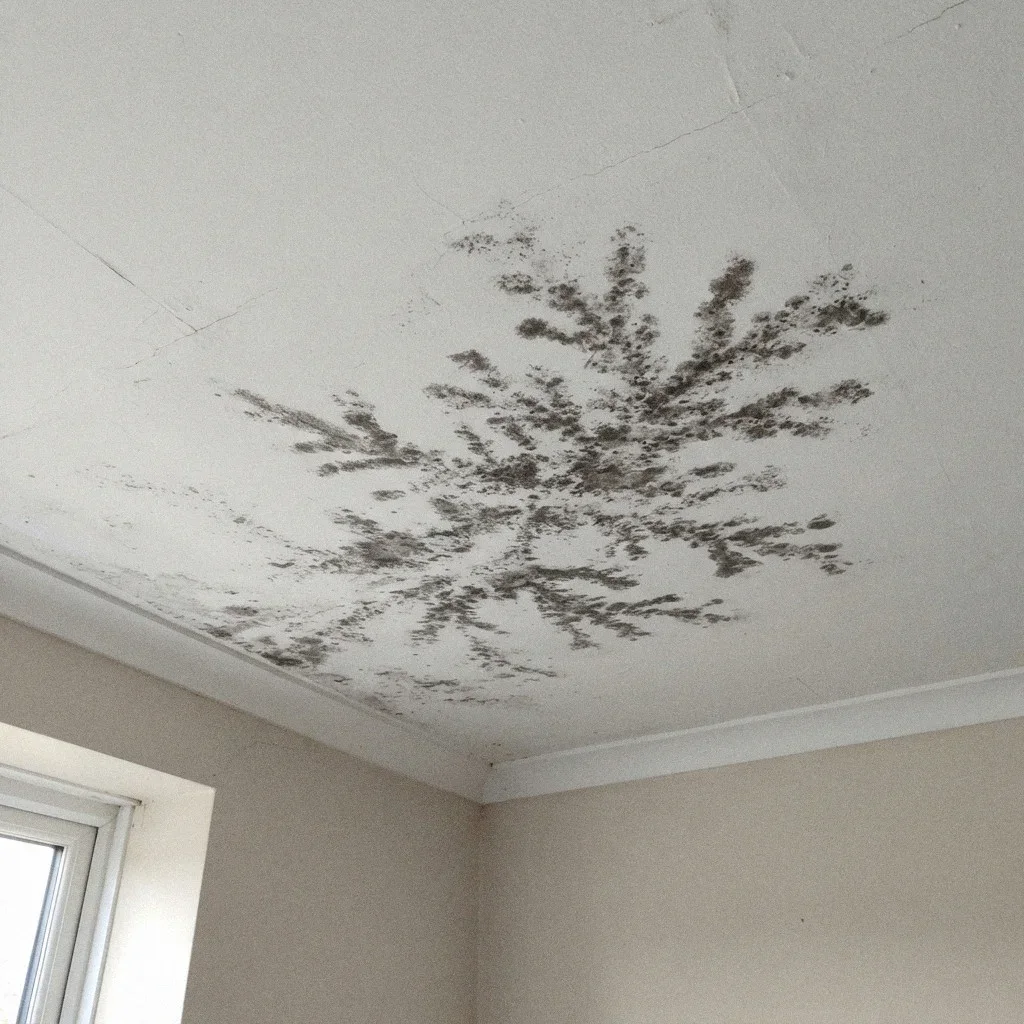
A patch of mold on a bathroom ceiling in San Diego does not affect everyone in the house the same way. An infant, an older dog, and an adult with asthma are not starting from the same place, and the advice that fits one does not automatically fit the others. This piece is about who tends to be more affected, what that means in practical terms during cleanup, and where the line sits for keeping someone out of a room while work happens.
Who Is More Sensitive
The recognized higher-risk groups for mold-related respiratory and allergic symptoms are people with asthma or existing allergies, infants and young children, older adults, and anyone who is immunocompromised. This is not a claim that mold causes a specific illness in any of these groups. It is a pattern of who tends to react to airborne irritants generally, mold spores included, more readily than a healthy adult does.
What Symptoms Actually Look Like
Infants, people with asthma, and pets share one trait that matters here: they spend more time close to floors and vents, where spores settle and where a blocked air conditioning condensate line drips first. Recognized higher-risk groups also include older adults and anyone with existing lung sensitivity. None of this means a household is in danger from a small patch on a Clairemont bathroom ceiling. It means the same patch deserves faster attention in a home with a crawling baby than in one without.
Babies and Very Young Children
Infants spend a lot of time close to the floor and close to walls, in rooms adults may not check often, in houses across San Diego from Clairemont to City Heights. That proximity matters more than any special vulnerability specific to mold. During active cleanup, the practical step is the same one that applies to any household chemical or dust-generating work: keep the baby in a different part of the house until the area has been cleaned and aired out.
Pets and Household Animals
Dogs and cats investigate a moldy corner the way they investigate anything new, nose first, low to the ground, in the exact zone where spores settle. There is no established veterinary guidance in the facts here to cite, and none should be implied. The reasonable step is the same as for people: keep pets out of the room being cleaned, and do not let them chew on removed drywall or insulation on its way to the trash.
Asthma and Existing Allergies
Someone with asthma already has airways that react more readily to irritants, and mold spores are one more irritant among many, alongside dust, pollen off the marine layer, and cleaning fumes. That person does not need to be told mold is dangerous in the abstract. They need the room aired out, the surface cleaned, and the moisture source found, the same as anyone else, just with less patience for being in the room while it happens.
Older Adults in the Home
Age alone does not create a mold problem, but older adults are grouped among the higher-risk categories for the same general reason infants are: reduced tolerance for airborne irritants, and sometimes less ability to leave a room quickly or notice a smell that a younger household member would catch first. In a multigenerational household in a neighborhood like Talmadge or Kensington, that is worth factoring into who checks on a damp closet or a musty bedroom.
During the Work, Not Just Before
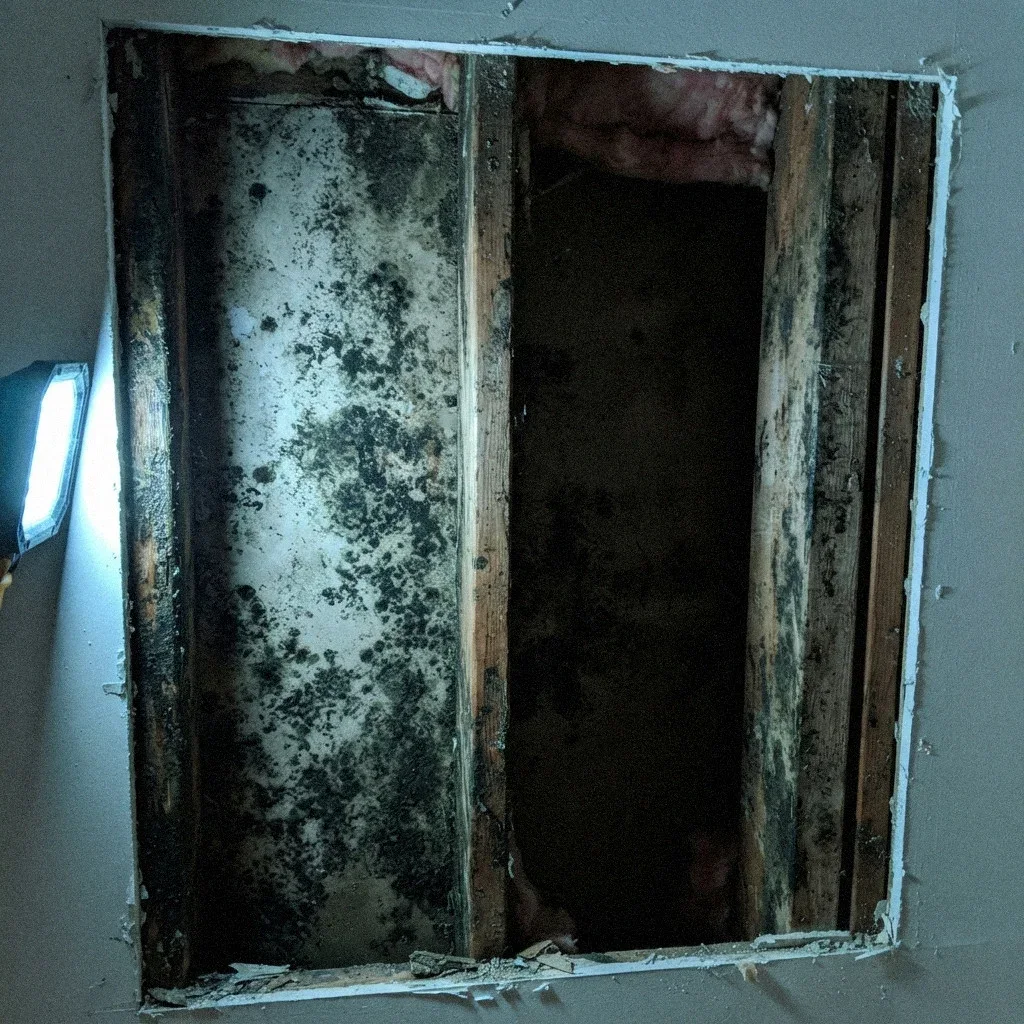
Disturbing mold, scrubbing it, cutting into drywall behind it, sanding it, releases more spores into the air than the patch was releasing while it sat still. That is true whether the work happens in a raised-floor bungalow near Adams Avenue or a condo off Genesee Avenue. The higher-risk household members should be out of the room for that part specifically, not just kept from touching the wall, and the room should stay closed off and vented afterward before anyone sensitive returns.
When to Keep Someone Out Entirely
For a small, contained patch, closing the door and airing the room after cleanup is usually enough. For a larger area, a smell that reaches other rooms, or visible growth across a ceiling or a run of drywall, the more cautious step is keeping higher-risk household members out of that part of the house until the work is done and the space has aired out, not just out of the one room being touched.
Testing Will Not Settle This
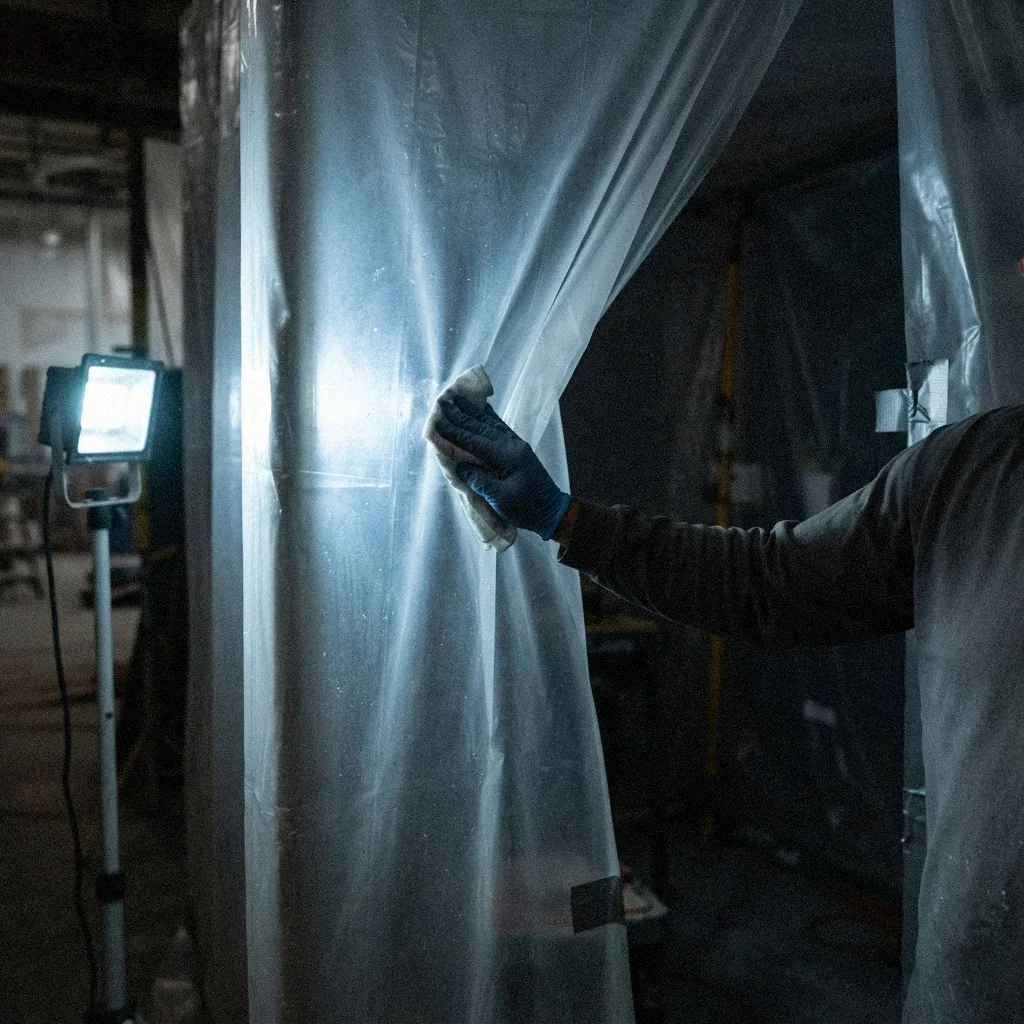
If someone in the house is pregnant, an infant, elderly, or already managing asthma or allergies, the practical move is distance, not diagnosis. Keep that person away from Del Cerro or Clairemont-style attics and crawl spaces during removal, since disturbed material is airborne material. Pets react too; a cat or dog can be shut in a closed room with the door sealed. Once containment comes down and the area airs out, there is no fixed waiting period, just common sense about dust settling before anyone sensitive comes back through.
This Does Not Replace the Guide
This page is about who in the house is more affected and what to do about it in the moment. It is not a walkthrough of how to remove mold safely, what to wear, or how to contain a work area room by room. That belongs in the full removal guide, and a household with a higher-risk member benefits from reading both rather than treating this page as the complete instructions.
The Moisture Question Underneath
None of this changes if the mold keeps coming back, and in San Diego it often does, because the marine layer that settles over neighborhoods from Pacific Beach to Linda Vista keeps interior surfaces humid long after any rain has stopped. A higher-risk household gets more benefit from finding the moisture source, an AC condensate line, a poorly vented bathroom, than from any one cleanup done well but repeated every year.
Dealing with this in your home?
Mold in San Diego rarely starts with a storm. Marine air off the coast meets a cool interior surface, or an air conditioner drips quietly behind drywall, and growth begins without a drop of rain. A 1950s tract house near Clairemont Mesa Boulevard and a Craftsman near South Park fail the same way: moisture first, staining second. Bleach handles the color. It does not handle the source.