Somebody notices a dark patch on a bedroom ceiling or a musty smell near the closet, and the question that follows is simple: can I sleep in here tonight. There is no single answer that fits every San Diego house, but there are things worth knowing before you decide. This is not a same-night emergency for most people, and it is not nothing either.
What the Smell Usually Means
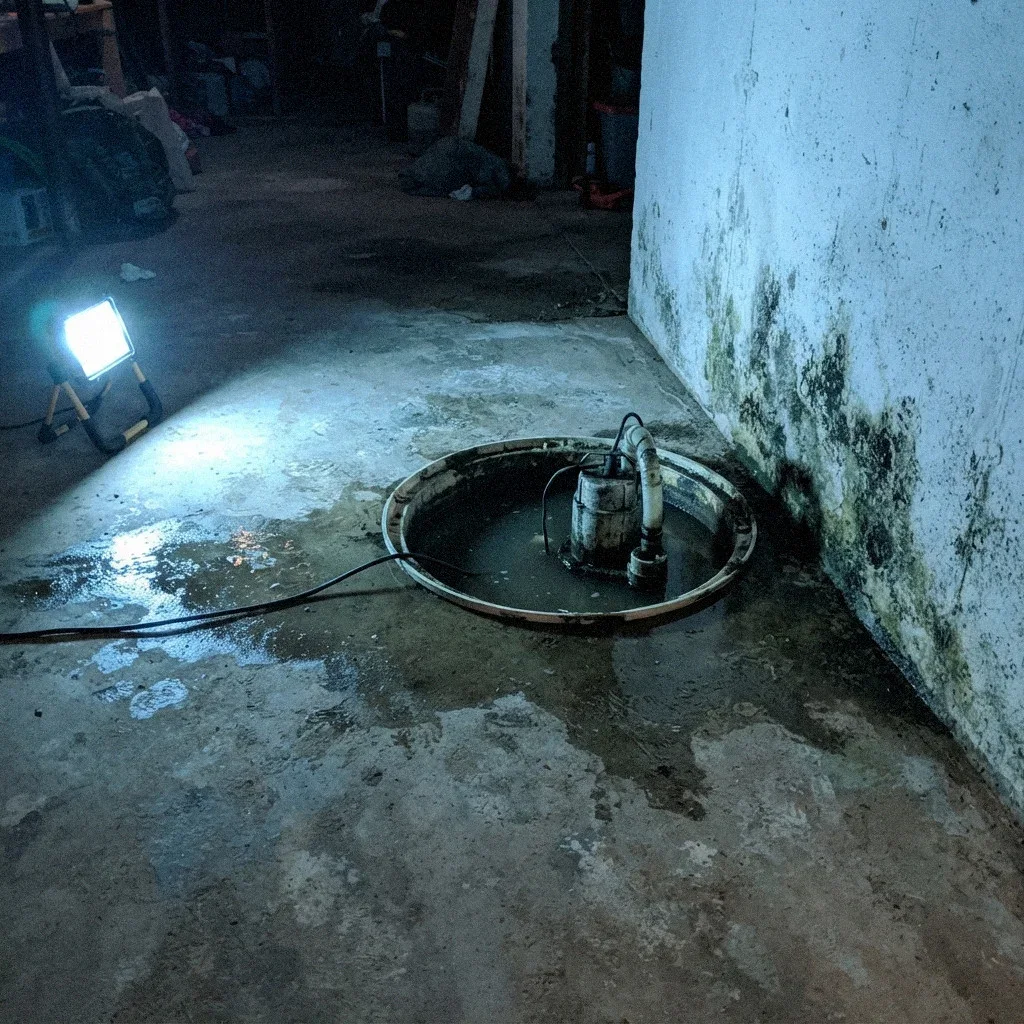
The honest answer depends on how much mold and where. A small patch on a bathroom windowsill in a Clairemont rental is not the same problem as a spreading patch across a bedroom ceiling near Mission Valley. If the growth is small and contained, sleeping there while you plan cleanup is unlikely to be the deciding factor. If it covers a wide area, sits directly above the bed, or comes with a strong persistent odor, moving to another room until it is addressed is the more sensible choice.
Who Should Move Rooms
People with asthma, hay fever, or other allergic sensitivities are the ones who tend to notice symptoms first in a room with active mold growth, and they are the ones with the most reason to sleep elsewhere until it is addressed. Infants and anyone recovering from respiratory illness fall in the same category. Someone without those sensitivities is less likely to notice an effect, but that does not mean the moisture problem can wait indefinitely.
No Safe Exposure Number
Mold exposure does not have an agreed safe threshold, so nobody can tell you a square footage that is fine and one that is not. What matters more is who is sleeping in the room. Someone with asthma, allergies, or a respiratory sensitivity is more likely to notice symptoms from ongoing exposure than someone without one. If a household member in North Park or Golden Hill already deals with hay fever or asthma, give that person the guest room or couch first, not last.
Small Patch Versus Spreading Growth
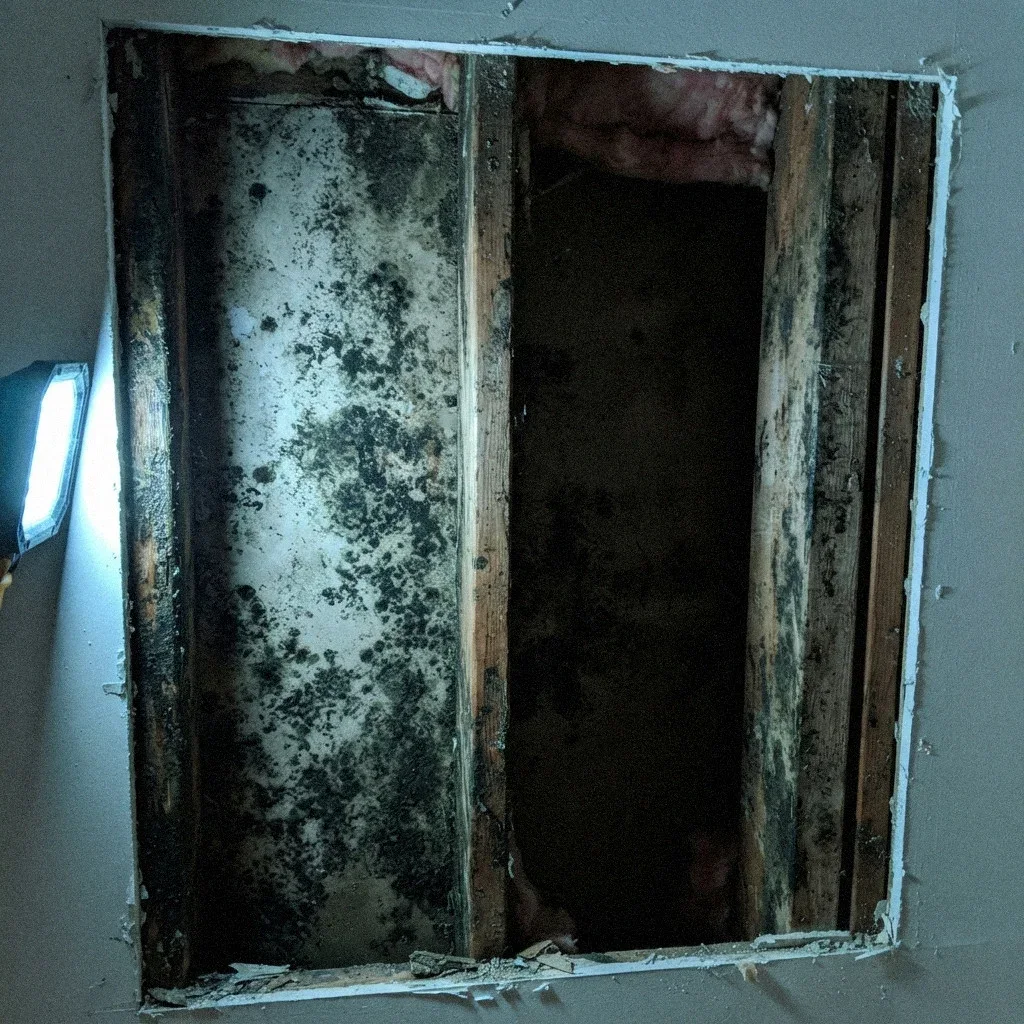
A small, contained patch in a corner behaves differently than growth spreading across a ceiling or down a wall from a closet. The larger and more active it looks, the more reason there is to sleep somewhere else in the house while it gets sorted out. A patch the size of a dinner plate is a different conversation than one that has crossed the ceiling toward the window.
What Not to Do in the Meantime
Do not run a fan aimed at the patch, since that can push spores further into the room's air rather than containing them. Do not scrub it with bleach as a stopgap, since bleach changes the color without addressing the growth underneath. Close the door if you can, keep the air conditioning condensate line clear if that is the likely source, and leave the surface alone until someone can look at what is actually happening.
Color Tells You Nothing
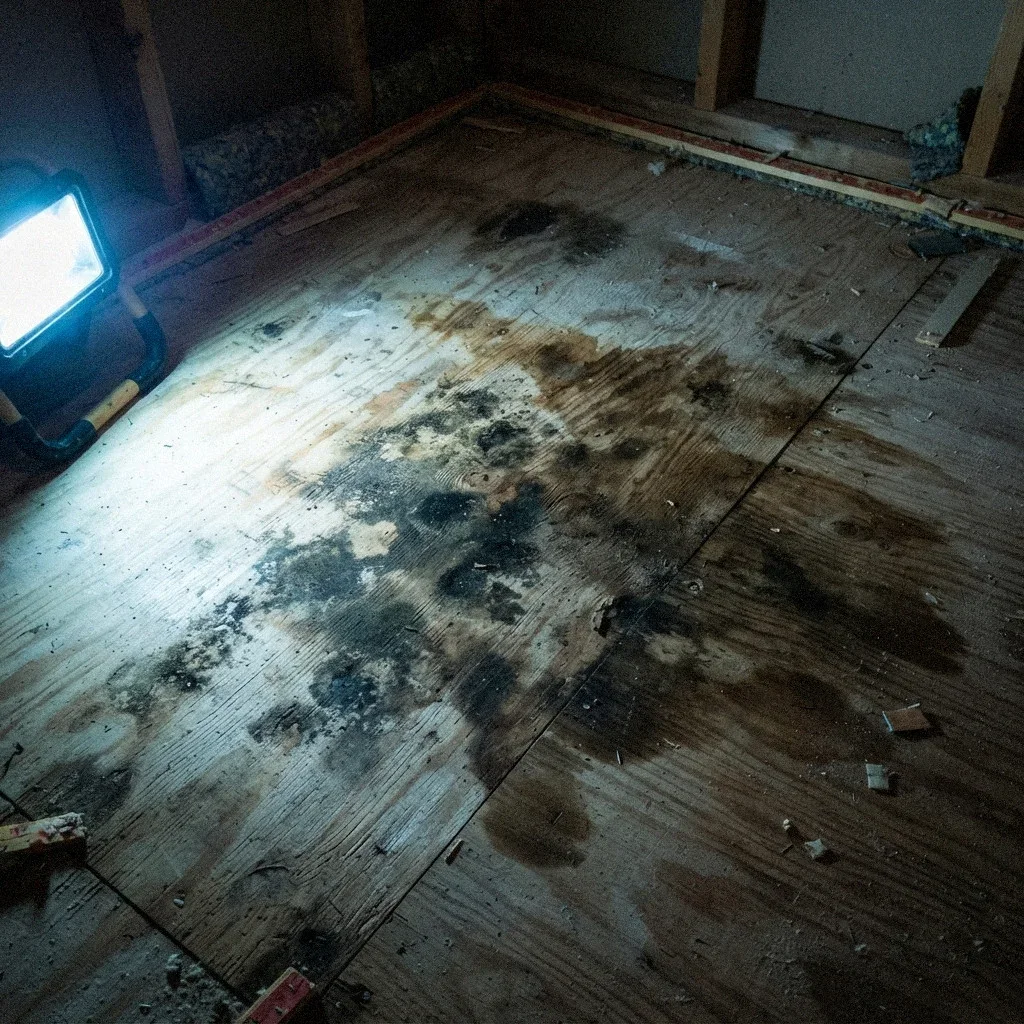
Black, green, or white growth on a ceiling does not tell you which species it is, and color is not a reliable way to judge severity either. A pale patch can be just as established as a dark one. What matters more is size, how long it has likely been there, and what is feeding it, not the shade a homeowner sees under a bedroom light.
Coastal Homes Without Air Conditioning
In the meantime, close the door to slow spread into hallways, run a window fan or crack a window if the marine layer outside has cleared, and avoid running a bedroom air conditioner unit that shares ductwork with the rest of the house. Do not paint or bleach the patch and call it solved. A rented ozone machine or a scented spray is not a fix either. Treating the surface without finding why moisture is collecting there, whether that is a leak near Kearny Mesa or condensation elsewhere, just brings the patch back.
Testing Is Rarely the Next Step
Testing for mold in a bedroom is usually unnecessary when the growth is already visible. A lab result telling you what species is on the ceiling does not change what needs to happen, which is finding the moisture source and removing the growth. Testing has a narrow use in specific situations, but deciding whether to sleep in the room tonight is not one of them.
When It Is Worth Acting Sooner
Growth that has appeared quickly, covers a large area, or sits near where someone with asthma or allergies sleeps each night is worth acting on sooner rather than living around. That does not mean panicking or assuming the worst, it means treating the moisture behind it as the actual problem rather than something to paper over with an air freshener or a closed door indefinitely.
Finding the Water First
Every bedroom mold question eventually comes back to where the water is coming from, whether that is a condensate line, a leak behind a closet wall, or humid air with nowhere to go. Anyone who looks at the growth without asking that question is only addressing half of it. Fixing the surface without fixing the source means the same patch reappears in a few months.
The Longer Guide on Removal
This page is about the one question of sleeping in the room tonight, not the full process of getting mold removed properly. For the fuller picture of how remediation actually works in a San Diego house, the mold remediation process guide covers that in more depth. If the patch is spreading or someone in the house is reacting to it, (619) 833-1053 connects you with the licensed pros who can look at it directly.
Dealing with this in your home?
Mold in San Diego rarely starts with a storm. Marine air off the coast meets a cool interior surface, or an air conditioner drips quietly behind drywall, and growth begins without a drop of rain. A 1950s tract house near Clairemont Mesa Boulevard and a Craftsman near South Park fail the same way: moisture first, staining second. Bleach handles the color. It does not handle the source.