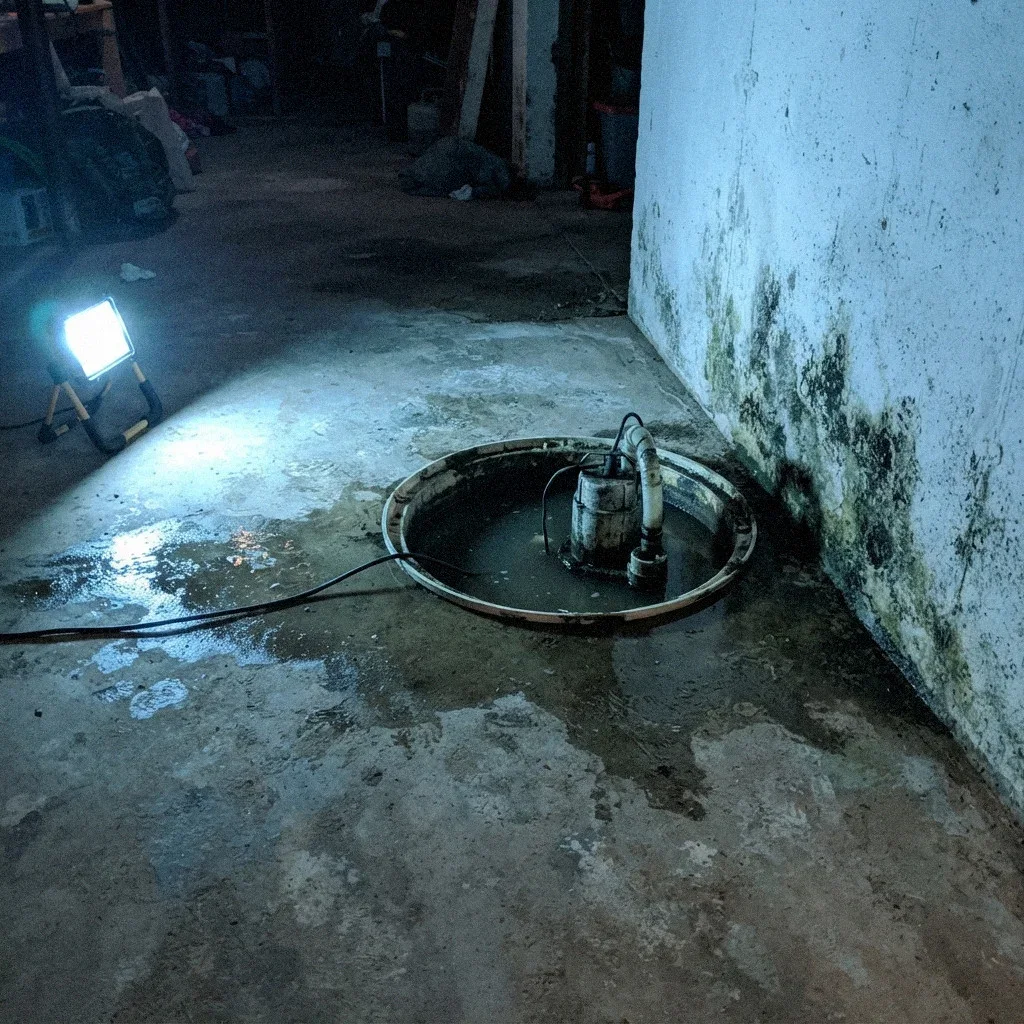
A resident in a University City or Bankers Hill condo finds a dark patch near a window and calls the property manager, expecting a straightforward answer. Instead they get a question back: is this on a common element or inside the unit. That distinction, not the mold itself, decides who pays. San Diego's condo stock spans 1960s low-rise buildings to newer towers downtown, and the paperwork governing each one varies, but the underlying logic is the same everywhere.
Common Elements Defined
Common elements are the parts of a building every owner shares an interest in: roofs, exterior walls, structural framing, shared plumbing risers, and building envelope components like windows and stucco in most California condo declarations. The unit is everything inside the finished surfaces an owner controls exclusively, sometimes down to the drywall, sometimes including it. A leak starting in a shared roof over a Hillcrest or North Park building is usually a common element problem even if the mold shows up inside one owner's ceiling.
Where The Line Sits
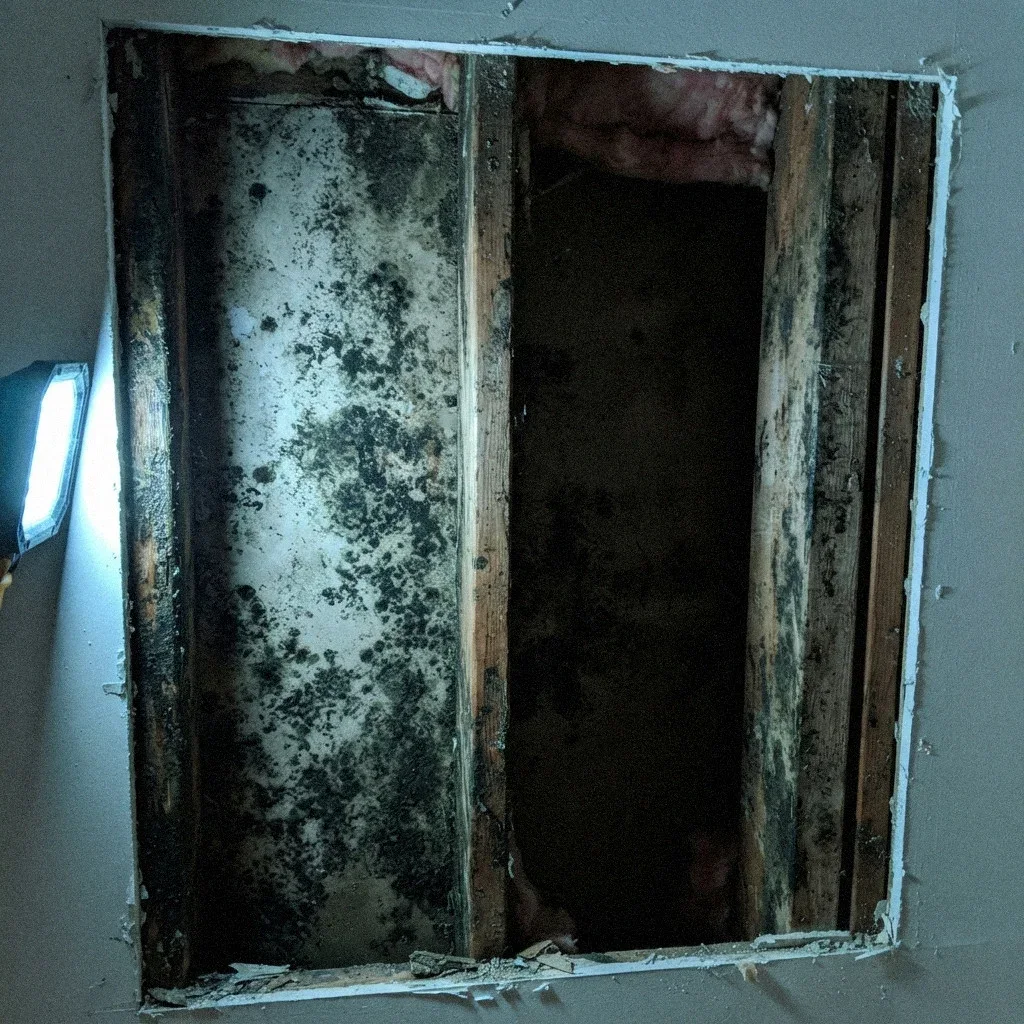
The line is drawn by the CC&Rs, the covenants, conditions and restrictions recorded against the property, not by where the mold happens to appear. A stain on a bedroom ceiling in a Golden Hill unit can trace back to a common roof membrane, a shared AC condensate line serving several units, or a fixture entirely inside the owner's walls. The physical location of the damage and the location of its source are frequently two different answers, and only the second one matters for responsibility.
How Boards Usually Handle It
Most boards start by identifying the water source before assigning cost, because a wrong guess wastes association money and delays the fix. A board managing a Kensington or Talmadge building typically documents the leak's origin, checks it against the CC&Rs, and only then decides whether the association's insurance, the owner's policy, or a split applies. Some declarations assign maintenance duty for a component to the association but repair cost after damage to the owner, which is a distinction worth reading closely rather than assuming.
Documentation That Moves It Along
An owner in a Clairemont or Bay Park condo who wants a fast answer brings dated photos of the mold and its suspected source, any prior maintenance requests about the same leak, and the section of the CC&Rs covering that building component. A plumber's or contractor's written note on where water is entering carries more weight than a description alone. Boards move faster when the owner has already narrowed the source, rather than leaving that work to the association.
Shared Systems, Divided Fault
Condo buildings concentrate plumbing, roofing and often HVAC into shared systems that touch multiple units, which is exactly what makes mold responsibility harder to sort than in a single-family Clairemont or Serra Mesa house. A blocked condensate line feeding a shared air handler above several units, or a slow leak in a low-slope roof over a Mission Valley building, can produce mold in one unit while the fix belongs to the whole association. The building's mechanical layout, not the visible damage, decides where the claim goes.
When It Is The Owner's Job
A board that stalls often just needs paperwork rather than pressure. A dated photo of the stain, a plumber's note on where the water started, and a copy of the section in the governing documents that lists common elements gives the property manager something to act on instead of a complaint to file away. Owners in a Kensington or Talmadge condo building who keep that record move faster than ones who only call and describe a smell.
Marine Air Complicates The Split
San Diego's coastal humidity, most pronounced during the May and June marine layer months near Ocean Beach, Pacific Beach and Point Loma, does not care about a property line drawn on paper. Condensation forms on cold surfaces regardless of who owns them, and a unit with poor ventilation can grow mold with no leak at all, common element or otherwise. That makes ventilation and airflow, not just plumbing, part of the conversation boards and owners in coastal buildings need to have.
Neither Side Skips Verification
No inspector can tell either side that a reading falls under a legal ceiling, since none exists for indoor mold in this state. That fact cuts both ways in a dispute: a board cannot point to a passing number to close the file, and an owner cannot point to a failing one to force action. What settles it instead is whether the water traced back to a shared pipe, a common roof over a University Heights or North Park unit, or something inside the walls one owner alone controls.
Color Will Not Settle It Either
Boards and owners sometimes argue over whether a black patch is more serious than a green or white one, expecting color to point toward a cause or a cost split. It does not. Color reflects the surface and moisture conditions a colony is growing in, not which species is present and not who is responsible for the leak behind it. The CC&Rs and the water source settle the question; the color on the wall in a Talmadge or San Carlos unit never will.
Contractors Doing The Work
California has no mold-specific contractor license. Whoever the HOA or the owner hires to remove the growth and repair the source works under a standard license issued by the Contractors State License Board, checkable through its lookup tool. That applies the same way in a Pacific Beach condo tower as it does in a Point Loma duplex conversion, and it is worth confirming before either party approves payment for the work.
Where To Go From Here
Ownership disputes inside a condo building are a documentation problem first and a mold problem second: find the water, check it against the governing documents, and bring the paper to the board rather than the description. Owners renting out a unit in a building like this face an overlapping but separate question about tenant responsibility, covered in the landlord-tenant mold responsibility guide. Commercial and mixed-use buildings with their own association structures are covered separately on the commercial mold removal page.
Dealing with this in your home?
Mold in San Diego rarely starts with a storm. Marine air off the coast meets a cool interior surface, or an air conditioner drips quietly behind drywall, and growth begins without a drop of rain. A 1950s tract house near Clairemont Mesa Boulevard and a Craftsman near South Park fail the same way: moisture first, staining second. Bleach handles the color. It does not handle the source.