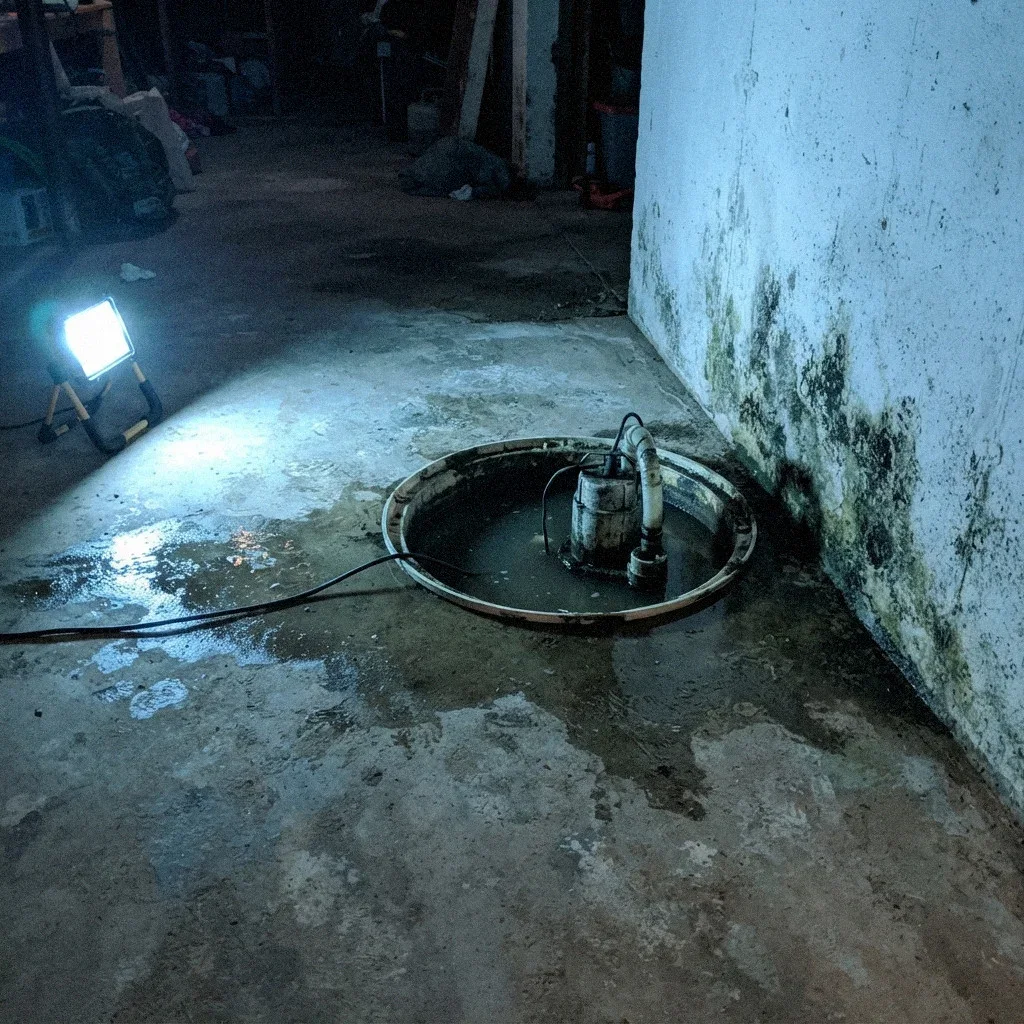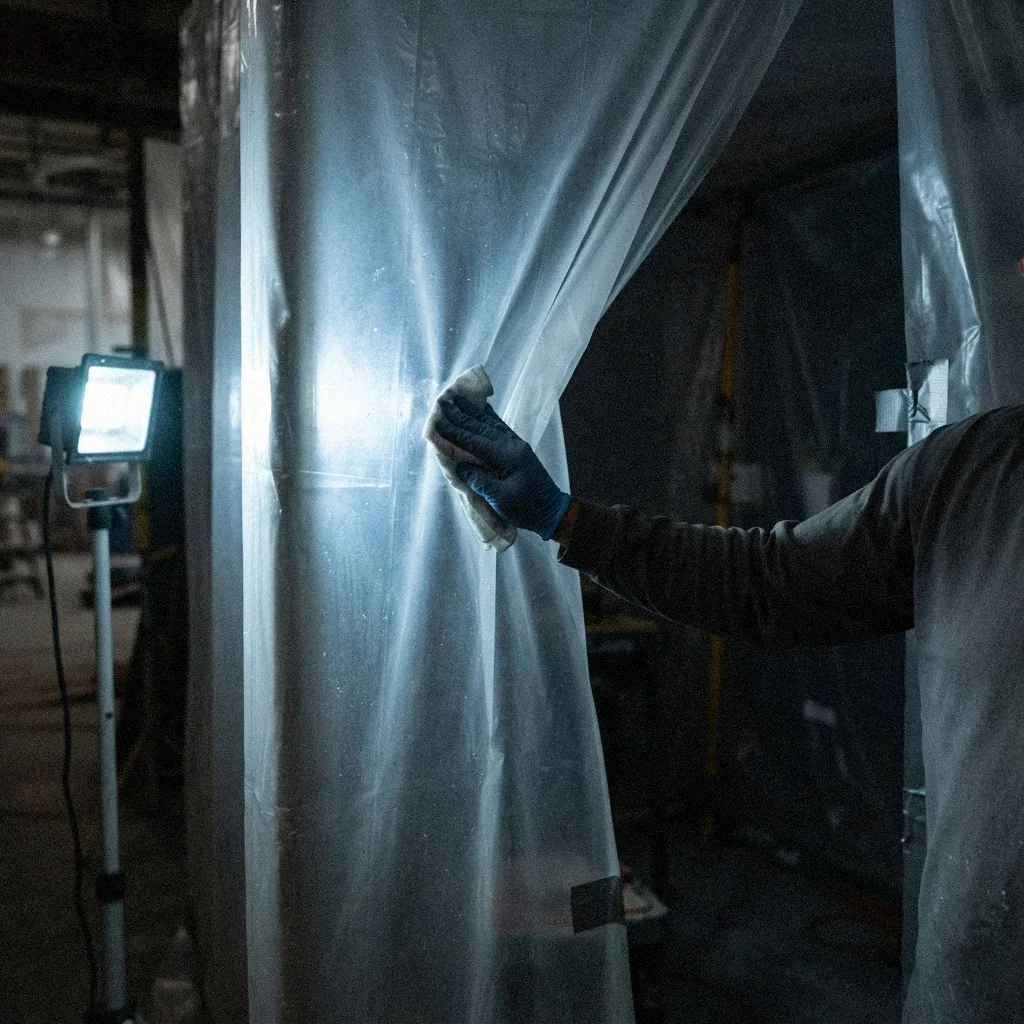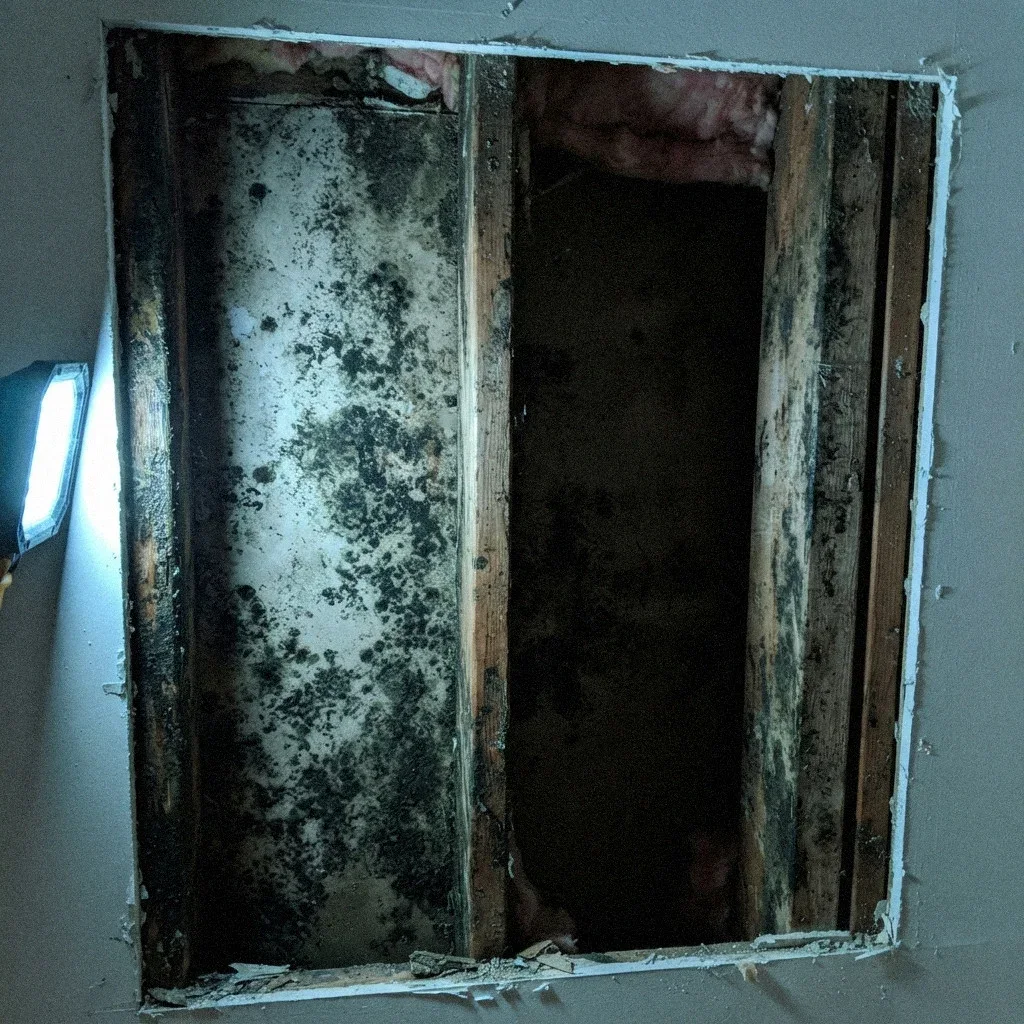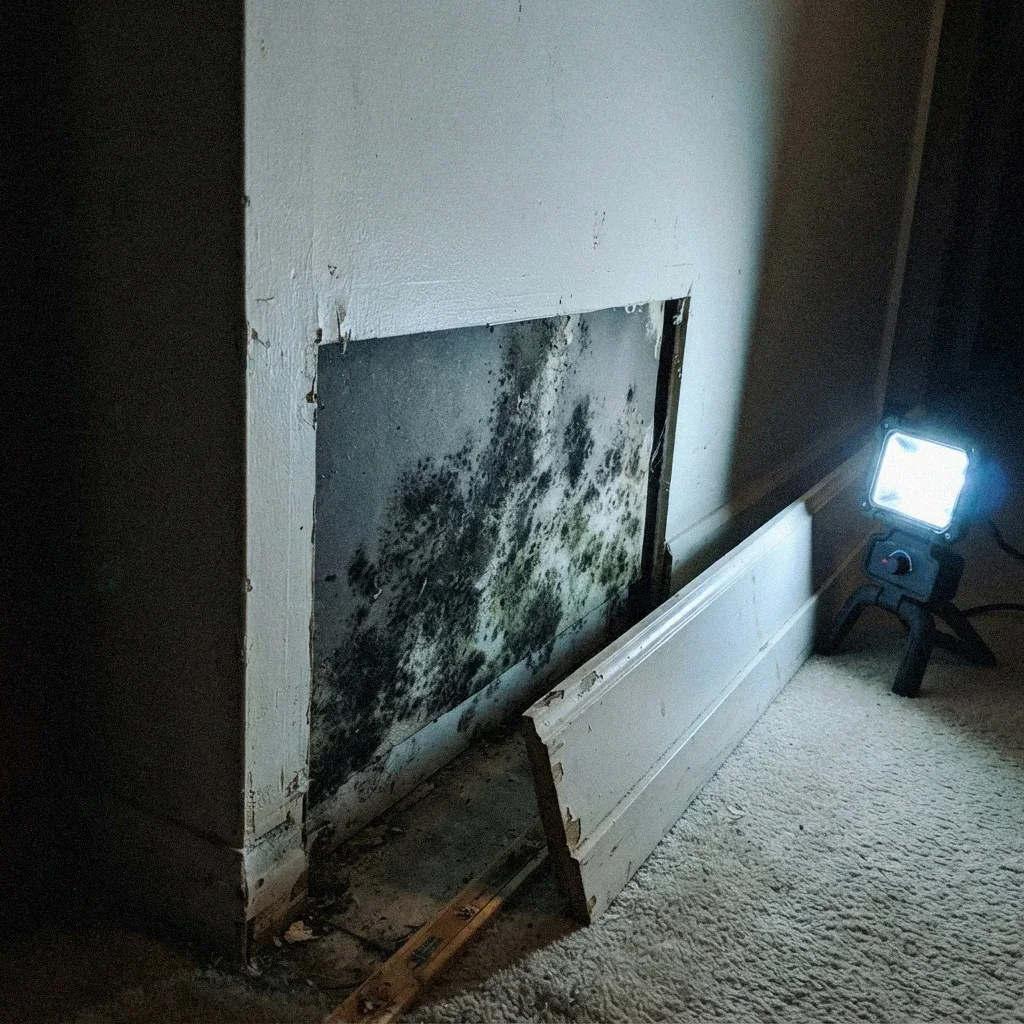
A renter in a University Heights bungalow or a Clairemont apartment near Balboa Avenue asks the same question after finding mold: does the landlord have to deal with this, or is it on me. California law answers through habitability, not through a mold-specific rule. There is no San Diego ordinance on mold, and no state permissible exposure limit for indoor mold exists, so no inspector can tell either side the air is within a legal number. What exists instead is a duty to keep the unit livable.
The habitability duty explained
California's implied warrant of habitability requires a rental to be fit to live in, covering things like weatherproofing, plumbing, and effective waterproofing against the elements. A San Diego landlord does not have to prevent every trace of mold, but a leak that goes unaddressed and lets mold spread through a Golden Hill duplex or a North Park apartment can breach that duty. The trigger is usually the underlying moisture problem, not the mold on its own.
The Toxic Mold Protection Act
The state framework for mold in housing is the Toxic Mold Protection Act of 2001, referenced by the California Department of Public Health. It set up a structure for identifying and disclosing mold in a building, rather than banning it outright. It does not hand a tenant in South Park or Normal Heights a numeric standard to test against. It works alongside the general habitability duty, not instead of it, and CDPH's own guidance is written for renters as well as landlords.
What disclosure actually covers
Health and Safety Code section 26148 is the specific piece CDPH points to for mold disclosure to tenants. In practice it means a landlord who knows about a mold condition in a Kensington or Talmadge rental cannot simply stay quiet about it when renting the unit. It is a disclosure duty tied to known conditions, not a requirement that every unit be tested or certified mold-free before a lease is signed. Nothing in it sets a cleanup deadline by itself.
Notice: telling the landlord
None of this helps a tenant who never told the landlord anything went wrong. The first real step is notice: telling the landlord, in writing, about the leak or the mold, and when it was first noticed. A text or a phone call is easy to forget happened. An email or a letter, dated, describing the water intrusion behind a Hillcrest kitchen wall or under a Bay Park bathroom sink, is the version that still exists months later if the timeline matters.
What a repair timeframe means
California law does not hand San Diego a fixed number of days for a landlord to fix a mold-related leak, and no specific timeframe here is confirmed enough to state as fact. What matters practically is that the response has to be reasonable given the problem: a supply line spraying water behind a University City fridge is not the same urgency as a slow window condensation issue in a Serra Mesa apartment. Vague promises without a repair date are a weaker record than a written one.
Put the timeline in writing
A tenant dealing with mold in a Linda Vista rental near Friars Road should keep a simple written record: the date the problem was first seen, the date the landlord was told, what was said back, and dated photos of the stain or growth as it looked at each point. This is not about building a legal case. It is about having facts instead of memory if the mold spreads or the repair drags on longer than either side expected.
Why the marine layer matters here
A landlord's habitability duty in San Diego does not wait for a lease clause. It covers a working structure, weathertight windows and a unit that does not make a tenant sick to live in. Mold tied to a leak, a failed window seal, or a blocked air conditioning condensate line falls inside that duty. A tenant in Clairemont or North Park does not need to prove a species to ask for repair. The obligation runs from the landlord's control of the building, not from a diagnosis.
The AC condensate line risk
California's Toxic Mold Protection Act gives the state framework for how mold in housing gets treated, and the California Department of Public Health ties Health and Safety Code section 26148 to a landlord's disclosure duty when mold is known to a landlord in San Diego rental housing. That section covers disclosure, not repair timelines or notice periods, which are not verified here. A tenant should ask what disclosure was made before move-in, not assume a number that has not been confirmed.
What testing does and does not do
A tenant is often told to get the mold tested before anything else happens. For visible mold, testing is usually unnecessary: color does not identify a species, and no California exposure limit exists for a lab result to compare against. What a landlord or a tenant actually needs is identification of the moisture source, whether that is a roof leak over a Rancho Bernardo unit or plumbing under a Talmadge kitchen, and a plan to fix it and remove the growth.
What this page cannot tell you
This is not legal advice, and no California statute section is cited here beyond the one CDPH names for disclosure. Insurance claim deadlines, license classifications for mold work, and any local ordinance are not addressed because they are not reliably confirmed for San Diego. A tenant in a dispute over a Paradise Hills or Encanto rental with real money or a real health concern at stake should talk to a tenant rights organization or an attorney, not rely on a blog post.
Where to go from here
None of this replaces knowing what the mold in front of you actually is or how to get rid of it safely. The full removal process, from containment to the moisture fix, is covered in the mold removal guide rather than repeated here. If a leak in a Bankers Hill or Mission Valley rental has already produced visible growth, the next useful step is figuring out the water source, in writing, before anyone quotes on the cleanup alone.
Dealing with this in your home?
Mold in San Diego rarely starts with a storm. Marine air off the coast meets a cool interior surface, or an air conditioner drips quietly behind drywall, and growth begins without a drop of rain. A 1950s tract house near Clairemont Mesa Boulevard and a Craftsman near South Park fail the same way: moisture first, staining second. Bleach handles the color. It does not handle the source.